






Last June, I’m sitting in my beat-up aluminum boat on Lake Texoma, the sun baking through my faded Texas flag ball cap, sweat dripping down my neck onto a stained fishing jersey. The water’s calm as glass, reflecting the puffy white clouds like a giant mirror. I’d been out since dawn, tossing every soft plastic, jig, and spinnerbait in my tackle box, and all I had to show for it was a tiny sunfish that probably weighed less than my lucky fishing pliers. Honestly, I was about ready to call it a day and head to the dock for a cold beer.
Let me tell you, the bite came so fast I almost fell out of the boat. A three-pound bass hit that lure like it owed him money, exploding through the surface and shaking his head so hard I thought he’d snap my line. After a five-minute fight, I hauled him into the boat, and I swear, the grime from the fish scales mixing with my sweat never felt so good. That single catch turned my terrible day around, and I ended up catching five more bass before noon. That’s when I realized—hard baits aren’t just another tool in the tackle box; they’re the secret weapon every angler needs in their arsenal.
What Makes Hard Baits So Darn Effective?
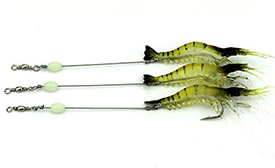
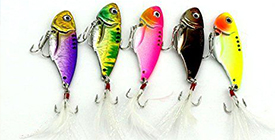
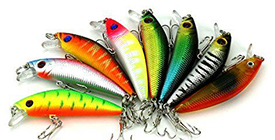
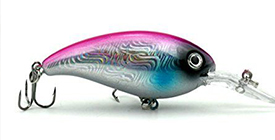
Hard baits are made from durable materials like plastic, wood, or metal, and they’re designed to mimic the look and movement of real baitfish, frogs, or other prey. They come in all shapes and sizes—crankbaits that dive deep into the water, topwater lures that skitter across the surface, and jerkbaits that dart and pause like a wounded minnow. But what really sets them apart is their ability to trigger aggressive strikes from predator fish, even when the water’s cold or the fish are feeling sluggish.
One of the best things about hard baits is their versatility. I’ve used them to catch bass on Lake Okeechobee in Florida, walleye on Lake Michigan in Wisconsin, and even northern pike on the Mississippi River in Minnesota. No matter where I’m fishing, I can always find a hard bait that’s perfect for the conditions. And when I’m looking for the best deals on high-quality hard baits, I always check out LENPABY’s Predator Fish Specials—they have some of the best prices around, and their lures are built to last.
Finding the Right Hard Bait for Your Fishing Spot
Choosing the right hard bait can mean the difference between a day of empty-handed frustration and a cooler full of fish. The key is to match the lure to the type of water you’re fishing and the prey that’s available. For example, if you’re fishing in shallow water near the shoreline, a shallow-running crankbait or a topwater lure like a popper is a great choice. If you’re fishing in deep water, a deep-diving crankbait or a jigging spoon will work better.
Let’s take a recent trip I took to Lake Champlain in Vermont. I was fishing for smallmouth bass in water that was about 15 feet deep, with a temperature of 65°F. I tried a few different hard baits before I found the one that worked—a medium-diving crankbait with a green and gold finish. I cast it out near a rocky ledge, let it sink to the bottom, and reeled it in with a slow, steady retrieve. I caught three smallmouth bass in less than an hour, each one hitting the lure with a vengeance. That’s the kind of success you can have when you know which hard bait to use.
Shallow Water Hard Bait Tactics
When I’m fishing in shallow water, usually less than 10 feet deep, I like to use topwater lures or shallow-running crankbaits. Topwater lures are perfect for early morning or late evening when the water’s calm, and the fish are feeding near the surface. My favorite topwater lure is a popper with a red and white finish—it creates a loud, popping sound that attracts bass and other predator fish from miles away.
Deep Water Hard Bait Tactics
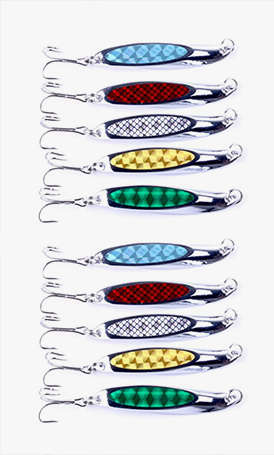
Fishing in deep water can be a challenge, but hard baits make it a lot easier. My go-to deep water hard baits are crankbaits with long, pointed bills that allow them to dive down to 20 feet or more. I also like to use jigging spoons, which are great for catching walleye and northern pike in deep water.
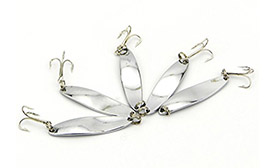
I remember a trip I took to Lake Superior in Michigan last winter. The water temperature was a frigid 38°F, and the fish were hanging out at the bottom of the lake, about 30 feet deep. I tied on a silver jigging spoon, dropped it down to the bottom, and then bounced it up and down a few feet at a time. Within five minutes, I felt a strong tug on my line—I’d caught a 20-inch walleye. It wasn’t the biggest fish I’d ever caught, but it was one of the most satisfying, knowing that I’d used the right hard bait to lure it out of the cold, dark water.
The Secret to Using Hard Baits to Their Full Potential
Using hard baits effectively isn’t just about choosing the right lure—it’s also about how you retrieve it. The way you reel in your lure can make a huge difference in how many fish you catch. For example, a fast, erratic retrieve is great for triggering aggressive strikes from bass, while a slow, steady retrieve is better for catching walleye and northern pike.
One of my favorite retrieve techniques is the “pause and dart” method. I cast the lure out, let it sink to the desired depth, and then reel it in with a series of short, quick jerks, followed by a pause. The pause is what really triggers the strike—the fish think the bait is wounded and vulnerable, so they pounce on it. I’ve used this technique to catch bass on Lake Travis in Texas, walleye on Lake Erie in Ohio, and even trout on the Rogue River in Oregon.
But I’ve also had my fair share of failures with hard baits. On a trip to Lake Tahoe in California last year, I tried using a deep-diving crankbait to catch lake trout, but I didn’t get a single bite. I later found out that the lake trout were feeding on small shrimp-like creatures called krill, which my hard bait didn’t mimic at all. I switched to a small, silver spoon, and I caught three lake trout in the next hour. That failure taught me an important lesson—always pay attention to what the fish are feeding on, and adjust your lure accordingly.
Why You Should Trust LENPABY for Your Hard Bait Needs
Over the years, I’ve tried just about every hard bait brand out there, and I can honestly say that LENPABY makes some of the best hard baits on the market. Their lures are made from high-quality materials that are designed to withstand even the toughest fishing conditions, and their realistic finishes make them look like the real thing. I’ve used their crankbaits, topwater lures, and jerkbaits to catch more fish than I can count, and I’ve never been disappointed.
Another thing I love about LENPABY is their customer service. If you have any questions about which hard bait to use or how to use it, their team of experienced anglers is always happy to help. And when you’re looking for great deals on hard baits, you can’t beat their Predator Fish Specials—they offer discounts on some of their most popular lures, so you can stock up on the baits you need without breaking the bank.
Putting It All Together: My Most Successful Hard Bait Trip
Last September, I took a week-long fishing trip to Lake St. Clair in Michigan, which is known for its world-class smallmouth bass fishing. The water temperature was 72°F, and the wind was blowing at about 10 miles per hour, creating small waves that made the water look like a sheet of tin foil. I brought along a tackle box full of LENPABY hard baits, including crankbaits, jerkbaits, and topwater lures.
On the second day, I switched to a jerkbait with a green and brown finish, using the “pause and dart” retrieve technique. I cast it out near a rocky point, and I caught five smallmouth bass in less than an hour. The third day, I used a topwater popper to catch three more bass, each one hitting the lure with a loud, satisfying pop.
By the end of the week, I’d caught a total of 25 smallmouth bass, all using LENPABY hard baits. I was exhausted, but I was also ecstatic—I’d had one of the most successful fishing trips of my life, thanks in large part to the high-quality hard baits I’d brought along. That trip confirmed what I’d already known—LENPABY hard baits are the real deal, and they’re the secret weapon every angler needs in their tackle box.
So, if you’re tired of coming home empty-handed after a day of fishing, give hard baits a try. Whether you’re fishing in shallow water near the shoreline or deep water in the middle of the lake, there’s a hard bait that’s perfect for the conditions. And when you’re looking for the best deals on high-quality hard baits, don’t forget to check out LENPABY’s Predator Fish Specials—they’ll help you save money and catch more fish.
Actionable Tip: Before your next fishing trip, take a few minutes to research the type of water you’ll be fishing in and the prey that’s available. Then, choose a hard bait that mimics that prey and matches the water conditions. You’ll be amazed at how much more success you’ll have when you use the right lure.


