





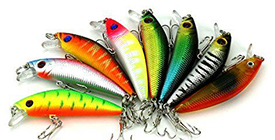
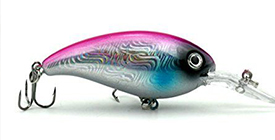
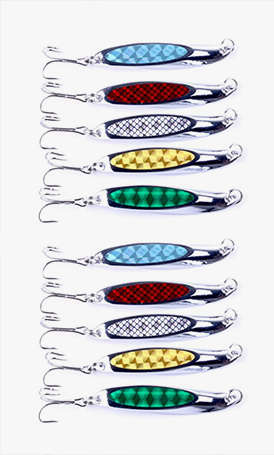

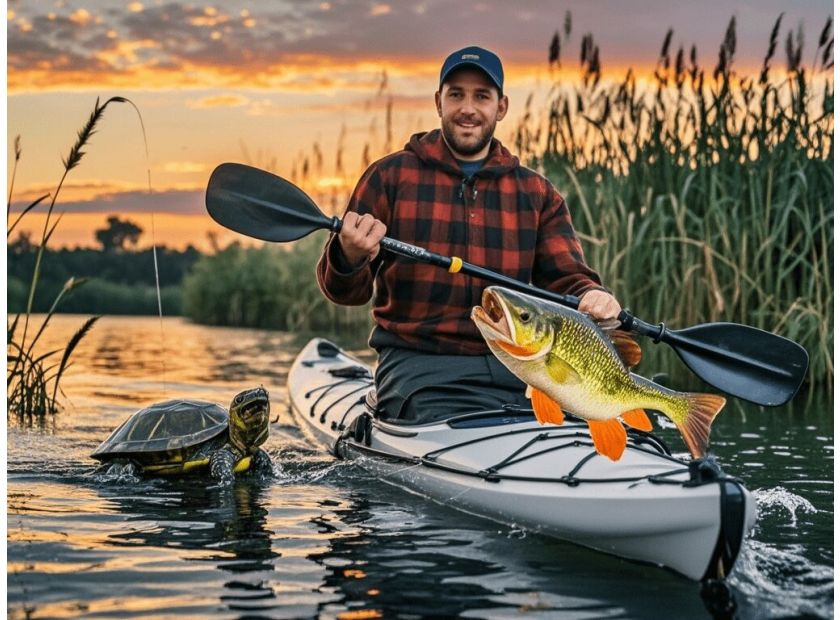
Last summer, I was out on Lake Okeechobee at 4:30 a.m.—sky still pitch black, dew settling heavy on my hat, and that thick Florida humidity already wrapping around me like a wet blanket. I’d been targeting bass in the grass beds, throwing my go-to Hard Baits for an hour straight, and the only thing I’d caught was a sunburn starting to creep up my neck. Water temp was 72°F, and the bass just weren’t biting. I almost packed it in, but then I rummaged through my tackle box and grabbed a soft plastic worm from LENPABY—one of those 6-inch senkos in a watermelon red flake. I rigged it Texas-style, cast it into the thickest patch of hydrilla I could find, and let it fall slow. Less than 10 seconds later, my line started to drag, and I set the hook into a 5-pound largemouth that fought like it had something to prove. That day, I caught 12 more bass just like it. I went from a frustrating morning to one of the best days of fishing I’d had all year—all because I switched to soft plastics.
Why Soft Plastics Are a Game-Changer for Bass Fishing
I’ve been fishing for 20 years, and I’ve tried every type of bait under the sun. But I keep coming back to Soft Plastics for a few simple reasons. First off, they’re incredibly lifelike. The way they move in the water—whether it’s a worm wiggling on the fall, a crawdad scurrying along the bottom, or a minnow darting through the shallows—looks so natural that fish can’t help but take a bite. I’ve seen bass ignore a hard bait that’s right in front of them, only to strike a soft plastic that’s moving just a little differently.
Another thing I love about soft plastics is how versatile they are. You can rig them in so many different ways—Texas, Carolina, wacky, ned rig—each one perfect for a specific situation. I keep a variety of rigs in my tackle box so I can adjust on the fly. If the bass are holding deep in 20 feet of water on Lake Michigan, I’ll use a Carolina rig with a heavy weight to get my bait down there. If they’re spawning in shallow water on Lake Texoma, a wacky rig works wonders because it floats slowly and doesn’t scare the fish away.
Soft Plastics vs. Hard Baits: When to Use What
I know a lot of fishermen swear by hard baits, and don’t get me wrong—they have their place. But from my experience, Soft Plastics outperform hard baits in certain situations. Let me break it down for you.
When the water is cold—say, under 50°F—bass are less active, and they don’t want to chase down a fast-moving hard bait. That’s when soft plastics shine. I’ll use a slow-moving rig like a ned rig or a drop shot, and just crawl the bait along the bottom. The key is to keep it as natural as possible. Last winter, I was fishing the Colorado River in Texas when the water temp was 48°F. I tried throwing crankbaits and spinnerbaits for an hour, and nothing. Then I switched to a 4-inch soft plastic minnow on a drop shot, and I caught 8 bass in the next 30 minutes. They were all small—nothing over 2 pounds—but it was still a great day of fishing.
Soft plastics also work better than hard baits in heavy cover. If you’re fishing around logs, rocks, or thick vegetation, hard baits can get snagged easily. But with a Texas-rigged soft plastic, you can punch through the cover without getting hung up. I learned this the hard way a few years ago on Lake Sam Rayburn. I was throwing a crankbait into a patch of lily pads, and I must have lost 5 baits in 10 minutes. Then I switched to a Texas-rigged worm, and I was able to fish the same area without any snags. I caught a 6-pound bass on my first cast.
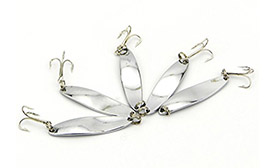
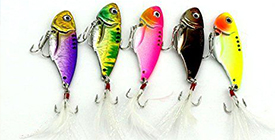
That’s not to say hard baits are useless. They’re great for covering a lot of water quickly. If you’re fishing a large lake like Lake Michigan and you don’t know where the bass are, a crankbait or a spinnerbait can help you find them fast. Once you find the school, then you can switch to soft plastics to catch more fish. I’ll often start my day with Hard Baits to locate the bass, and then switch to soft plastics to target them specifically.
My Favorite Soft Plastics for Different Situations
I’ve tried a lot of soft plastics over the years, but there are a few that I keep coming back to. Here are my top picks:
- LENPABY Senko Worm: This is my go-to for almost every situation. It’s incredibly versatile—you can rig it Texas, wacky, or ned rig. The watermelon red flake color works great in clear water, and the black and blue works well in stained water. I’ve caught bass on this worm in almost every lake I’ve fished, from Lake Okeechobee to Lake Texoma.
- LENPABY Crawdad: If I’m fishing around rocks or logs, this is the bait I reach for. The realistic crawdad action drives bass crazy. I’ll rig it Texas-style with a heavy weight to get it down to the bottom, and then I’ll drag it along slowly. The bass will often strike when the bait stops moving.
- LENPABY Minnow: When the bass are feeding on shad, this is the perfect bait. It looks and moves just like a real minnow. I’ll rig it on a drop shot or a shaky head, and I’ll swim it through the water column. The silver color works great in clear water, and the gold works well in stained water.
- LENPABY Tube Bait: This is a great bait for fishing in deep water. The tube has a hollow body that traps air, which makes it float. I’ll rig it on a weighted jig head, and I’ll bounce it off the bottom. The bass will often strike when the bait is falling.
Real-World Examples of Soft Plastics in Action
Let me share a few more stories to show you just how effective soft plastics can be. A few years ago, I was fishing on Lake Erie in Ohio. The water was clear, and the bass were holding in 15 feet of water. I tried throwing a crankbait, but the bass were ignoring it. Then I switched to a wacky-rigged LENPABY senko, and I caught 10 bass in the next hour. The largest one was a 4.5-pound smallmouth that fought like a champ.
Another time, I was fishing on the Guadalupe River in Texas. The water was stained, and the bass were holding in shallow water around rocks. I tried throwing a spinnerbait, but I kept getting snagged. Then I switched to a Texas-rigged LENPABY crawdad, and I was able to fish the same area without any snags. I caught 5 bass in the next 30 minutes, including a 3-pound largemouth.
Last spring, I was fishing on Lake Travis in Texas. The bass were spawning, and they were holding in shallow water around docks. I tried throwing a hard bait, but I kept scaring the fish away. Then I switched to a wacky-rigged LENPABY senko, and I caught 8 bass in the next hour. The largest one was a 5-pound largemouth that was guarding a nest.
Common Mistakes to Avoid When Fishing with Soft Plastics
Even the best soft plastics won’t work if you don’t use them correctly. Here are a few common mistakes I see fishermen make:
One of the biggest mistakes is using the wrong weight. If you use a weight that’s too heavy, your bait will sink too fast, and it won’t look natural. If you use a weight that’s too light, your bait won’t reach the bottom where the bass are holding. I always adjust my weight based on the water depth and the current. For shallow water, I’ll use a 1/8-ounce weight. For deep water, I’ll use a 1/2-ounce weight.
Another mistake is not letting the bait fall naturally. A lot of fishermen reel in their bait too fast, which makes it look unnatural. The key is to let the bait fall to the bottom, and then slowly drag it along. I’ll often pause for a few seconds between drags to let the bait settle. This is when the bass will often strike.
Tips for Maximizing Your Success with Soft Plastics
Here are a few tips that have helped me catch more bass with soft plastics:
- Always check your line for frays or nicks. A weak line can break when you set the hook, which means you’ll lose your bait and the fish.
- Use a sharp hook. A dull hook won’t penetrate the fish’s mouth, which means you’ll miss a lot of bites.
- Experiment with different rigs. Don’t be afraid to try a new rig if your current rig isn’t working. You might be surprised at how effective a different rig can be.
- Pay attention to the weather. The bass will be more active when the weather is stable. If the weather is changing, the bass will be less active, and you’ll need to adjust your fishing technique.
- Be patient. Fishing with soft plastics requires a lot of patience. You might have to wait a few minutes between bites, but when you do get a bite, it’s usually a big one.
Soft plastics have revolutionized the way I fish for bass. They’re lifelike, versatile, and incredibly effective in a variety of situations. Whether I’m fishing in cold water, heavy cover, or shallow water, soft plastics always seem to deliver. I’ve caught some of my biggest bass on soft plastics, and I know they can help you catch more bass too. So next time you’re out on the water, don’t be afraid to switch from Hard Baits to soft plastics. You might be surprised at the results.
Actionable Tip
Next time you’re out fishing, try this: rig a LENPABY senko worm wacky-style and cast it into the shallow water around docks or fallen trees. Let the bait fall slowly, and then pause for a few seconds. Repeat this process a few times. Chances are, you’ll get a bite from a bass that’s guarding a nest or feeding in the shallow water. And who knows—you might even catch a trophy bass.


