





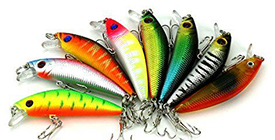
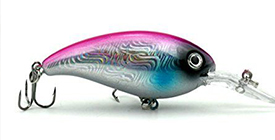
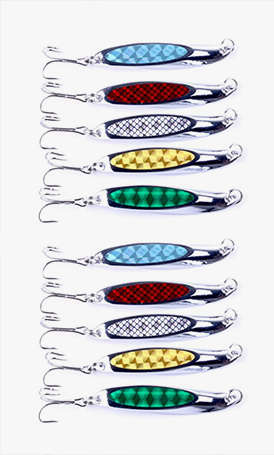

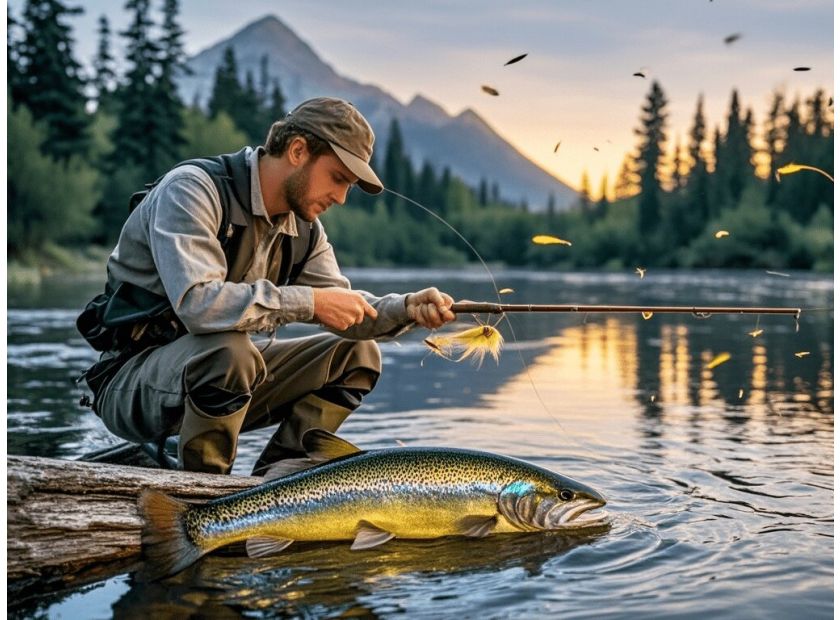
Let me tell you about the day I almost gave up on metal lures. It was early spring on Lake Okeechobee, Florida—gray skies, a light drizzle, water temp hovering around 68°F. I’d been throwing my go-to soft plastics for bass for three hours straight, and the only thing I’d caught was a single small bluegill. My buddy Jake, who’d been quiet all morning, finally spoke up. “Try that Predator Fish Specials metal lure I gave you,” he said, nodding at the tackle box at my feet. I rolled my eyes—metal lures? I’d always thought they were just for trolling or deep water, not for targeting bass in shallow, murky Okeechobee. But I was desperate. I tied on the shiny silver spoon, cast it out, and retrieved it with a slow, steady pull. Halfway back, the water exploded. A 5-pound largemouth bass had slammed into the lure, and the fight that followed was one for the books. That day changed everything I thought I knew about metal lures. Over the next 20 years, I’d fish them all across the US—from the Great Lakes to the Texas coast—and learn that they’re some of the most versatile, effective lures you can have in your tackle box.
Why Metal Lures Are a Game-Changer for Any Fisherman
Honestly, I used to be one of those guys who stuck to soft plastics and crankbaits. I thought metal lures were too flashy, too heavy, or too hard to use. But after that day on Okeechobee, I started experimenting, and I quickly realized their advantages. Metal lures are incredibly durable—you can drag them through rocks, brush, and even weeds without worrying about them tearing or breaking. They’re also great for covering a lot of water quickly, which is perfect when you’re not sure where the fish are hiding. And let’s not forget about their action—whether you’re retrieving them fast, slow, or with a jerky motion, metal lures create a vibration and flash that drives predator fish crazy.
One of my favorite things about metal lures is their versatility. You can fish them in almost any water condition—from clear, shallow streams to deep, murky lakes. I’ve used them to catch bass, walleye, pike, musky, and even saltwater species like redfish and speckled trout. No matter where you’re fishing or what you’re targeting, there’s a metal lure that will work.
The Best Metal Lure Types for Different Fishing Scenarios
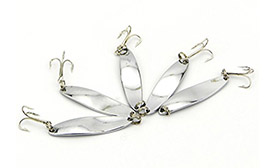
Let’s talk about the different types of metal lures and when to use them. The most common type is the spoon. Spoons come in all shapes and sizes, from small, compact models to large, long ones. I love using small spoons for panfish and trout in shallow water. On the other hand, large spoons are great for catching big bass and pike in deeper water. The Bass Fishing metal lures from LENPABY are some of my favorites—they have a perfect balance of weight and action that bass can’t resist.
Another popular type of metal lure is the spinnerbait. Spinnerbaits have a metal blade that spins as you retrieve them, creating both vibration and flash. I’ve had a lot of success with spinnerbaits in murky water—they’re easy for fish to locate, even when visibility is low. I remember a day on Lake Texoma, Texas, when the water was so murky you could barely see your hand in front of your face. I tied on a black and silver spinnerbait and cast it out near a rocky point. Within seconds, a 3-pound bass hit it. That’s the power of a spinnerbait.
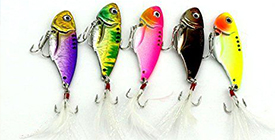
Jigs are also a type of metal lure. Jigs have a lead head and a hook, and they’re usually dressed with soft plastics or feathers. I love using jigs for vertical fishing—like when I’m targeting walleye on Lake Michigan. The key to fishing jigs successfully is to vary your retrieval speed and depth until you find what the fish are responding to. Sometimes, a slow, steady pull works best. Other times, a quick, jerky motion is more effective.
Real-World Fishing Stories: Where Metal Lures Shined
Let me share a few more stories from my fishing adventures with metal lures. Last fall, I was fishing Lake Erie, Ohio, for walleye. The water temp was around 58°F, and the fish were holding around 30 feet deep. I was using a small silver spoon, and I was retrieving it with a slow, steady pull. After about an hour, I felt a strong tug. I set the hook, and after a 10-minute fight, I landed a 4-pound walleye. That was one of the biggest walleye I’d ever caught in Lake Erie, and it was all thanks to that metal spoon.
I should also mention a failure. A few years ago, I was fishing Lake Tahoe, California, for lake trout. The water temp was around 45°F, and the fish were holding around 100 feet deep. I was using a large metal spoon, and I was trolling it behind a boat. I fished for three hours straight and didn’t catch a single fish. I later learned that the lake trout were feeding on small baitfish, and the large spoon was too big. That’s a lesson I won’t forget—always match the size of your lure to the size of the baitfish the predator fish are feeding on.
Tips for Fishing with Metal Lures Like a Pro
Now that we’ve covered the different types of metal lures and when to use them, let’s talk about how to fish them like a pro. Here are a few tips from my 20 years of experience:
- Match the lure size to the baitfish. Predator fish are usually feeding on specific sizes of baitfish, so make sure your lure matches that size. If you’re not sure, start with a medium-sized lure and adjust from there.
- Use the right line. Metal lures are heavy, so you need to use a line that’s strong enough to handle them. I usually use a 10-15 lb test line for bass and a 20-30 lb test line for pike and musky.
- Vary your retrieval speed. Sometimes, a fast retrieval speed works best. Other times, a slow, steady pull is more effective. Try experimenting with different retrieval speeds until you find what the fish are responding to.
- Change the depth. Predator fish are usually holding at a specific depth. If you’re not catching fish at one depth, try adjusting your lure’s depth. You can do this by casting out and letting the lure sink for a few seconds before starting your retrieve.
- Keep an eye on the weather. The weather can have a big impact on how fish respond to lures. On cloudy days, I usually use a brighter-colored lure. On sunny days, I use a more natural-colored lure.
Common Mistakes to Avoid When Fishing with Metal Lures
Even the best fishermen make mistakes, and I’m no exception. Here are a few mistakes to avoid when fishing with metal lures:
- Using the wrong color. The color of your lure can make a big difference. If you’re fishing in clear water, use a natural-colored lure. If you’re fishing in murky water, use a brighter-colored lure.
- Retrieving the lure too fast. Sometimes, fishermen retrieve their lures too fast, which can make them look unnatural. Try slowing down your retrieval speed and see if that makes a difference.
- Not adjusting the depth. As I mentioned earlier, predator fish are usually holding at a specific depth. If you’re not catching fish at one depth, try adjusting your lure’s depth.
- Using the wrong size lure. If your lure is too big or too small, the fish won’t be interested. Always match the size of your lure to the size of the baitfish the predator fish are feeding on.
Final Thoughts: Why Metal Lures Should Be in Every Tackle Box
After 20 years of fishing with metal lures, I can say without a doubt that they’re some of the most versatile, effective lures you can have in your tackle box. Whether you’re targeting bass, walleye, pike, or musky, there’s a metal lure that will work. They’re durable, easy to use, and they create a vibration and flash that drives predator fish crazy. And with so many different types and sizes to choose from, you can use them in almost any water condition.
So, the next time you’re heading out to your favorite fishing spot, make sure you have a few metal lures in your tackle box. You never know when they’ll save the day—just like they saved mine on Lake Okeechobee.
One Last Tip for Success
Here’s a small, actionable tip to help you catch more fish with metal lures: before you start fishing, take a few minutes to observe the water. Look for signs of baitfish, like ripples on the surface or birds diving. This will give you a good idea of where the predator fish are holding. Once you’ve found a good spot, cast out your metal lure and vary your retrieval speed and depth until you find what the fish are responding to. It may take a few tries, but once you get it right, the results will be worth it. Good luck, and tight lines!


