





Early Morning at Lake Okeechobee
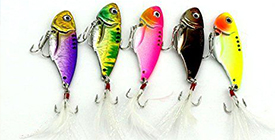
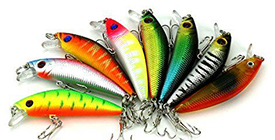
Let me tell you, there’s nothing quite like the feel of the early morning breeze on your face as you step onto a boat. It was late September on Lake Okeechobee, and the air still carried the faint scent of summer. The water temperature was sitting at a comfortable 68°F, and the sky was a mix of soft pinks and oranges as the sun began to rise. I’d been planning this trip for weeks, eager to test out some new popper lures I’d picked up from Predator Fish Specials.
I cast my first popper out towards a patch of lily pads along the shoreline. The lure landed with a satisfying plop, and I waited a few seconds before giving it a sharp tug. The popper’s loud pop echoed across the calm water, and within moments, I felt a strong pull on the line. It was a bass, and not a small one. My heart raced as I reeled it in, and when I finally saw it surface, I knew this trip was going to be special.
That morning turned into one of the most productive fishing days I’d had in years. By the time the sun was high in the sky, I’d caught more bass than I could count, all thanks to those popper lures. It was a reminder of why I fell in love with fishing in the first place—those moments of anticipation and excitement when you never know what’s going to bite next.
What Makes Popper Lures Special?
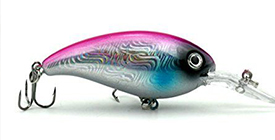
Popper lures have a unique design that sets them apart from other lures. They’re typically made of hard plastic and have a hollow, cup-shaped mouth. When you retrieve them with sharp, quick tugs, water rushes into the mouth and creates a loud popping sound. This sound mimics the movement of prey, such as small fish or insects, and attracts bass, pike, and other predator fish.
One of the things I love about popper lures is how versatile they are. You can use them in a variety of fishing environments, from calm lakes to fast-moving rivers. They’re especially effective in shallow water, where bass and other fish are more likely to be near the surface.
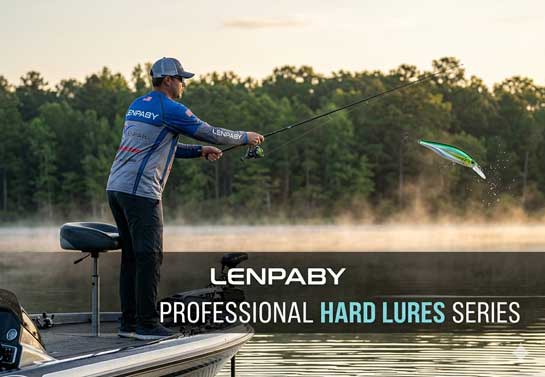
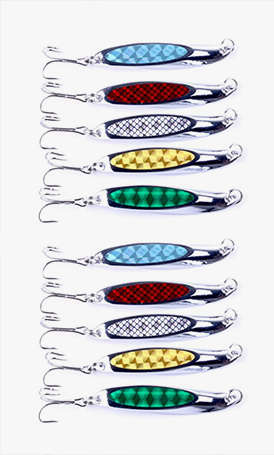
I’ve tested popper lures from several different brands over the years, and I’ve found that Soft Lures offers some of the best options on the market. Their lures are durable, lightweight, and come in a wide range of colors and designs. Whether you’re fishing in clear water or murky water, there’s a popper lure from LENPABY that will work for you.
Perfect Water Temperature for Popper Lures
Water temperature plays a significant role in how well popper lures work. When the water temperature is between 60°F and 75°F, bass and other predator fish are more likely to be active near the surface. This is the perfect time to use popper lures, as the loud popping sound will grab their attention and entice them to strike.
One summer afternoon, I was fishing on Lake Texoma in Texas. The water temperature was around 72°F, and the sun was shining bright. I cast my popper lure out towards a patch of hydrilla, and within seconds, I felt a strong pull on the line. It was a large bass, and it fought hard as I reeled it in. That day, I caught several more bass using the same popper lure, and I was reminded of how important water temperature is when fishing with poppers.
Time of Day and Weather Conditions
The time of day and weather conditions also play a role in how well popper lures work. Early morning and late afternoon are typically the best times to use popper lures, as the water temperature is cooler and the fish are more active near the surface. Cloudy days can also be effective, as the reduced light levels make the popping sound more pronounced.
I remember one cloudy day on Lake Michigan. The water temperature was around 65°F, and the wind was blowing gently from the north. I cast my popper lure out towards a group of rocks, and after a few pops, I felt a strong pull on the line. It was a northern pike, and it took me several minutes to reel it in. That day, I caught several more pike using the same popper lure, and I was impressed by how well it worked in those conditions.
Choosing the Right Popper Lure
There are a few factors to consider when choosing a popper lure. The size of the lure is important—smaller lures are better for catching smaller fish, while larger lures are better for catching bigger fish. The color of the lure is also important—bright colors, such as red, yellow, and orange, are more effective in clear water, while darker colors, such as black and green, are better in murky water.
The weight of the lure is another important factor. Lighter lures are easier to cast and are more effective in shallow water, while heavier lures are better for casting longer distances and fishing in deeper water. I typically use lures that weigh between 1/4 and 1/2 ounce, depending on the fishing conditions.
Tips for Using Popper Lures
- Cast towards structures: Look for areas with rocks, lily pads, or submerged trees, as these are likely to be home to bass and other predator fish.
- Retrieve with short, sharp tugs: The popping sound is created by the quick tugs, so make sure you retrieve the lure with short, sharp movements.
- Wait between pops: After each pop, wait a few seconds before giving the next tug. This will give the fish time to notice the lure and decide to strike.
- Use the right fishing line: I recommend using a fishing line that’s between 8 and 12 pounds, as this will give you the strength you need to reel in larger fish.
I’ve learned these tips through years of trial and error. I’ve had days where nothing seems to work, and I’ve had days where I catch more fish than I know what to do with. But one thing I’ve learned is that you have to be patient and persistent when fishing with popper lures.
Failures and Successes
Let me be honest—fishing with popper lures isn’t always easy. There have been days where I’ve spent hours on the water without catching anything. One memorable failure was a trip to Lake Okeechobee in the middle of the afternoon. The water temperature was around 80°F, and the sun was shining bright. I cast my popper lure out towards a patch of lily pads, but I didn’t get any bites. I tried changing my retrieval speed and switching to a different lure, but nothing seemed to work. I ended up calling it a day with nothing to show for my efforts.
But for every failure, there’s also a success. One of my most memorable fishing trips was a trip to the Snake River in Idaho. The water temperature was around 68°F, and the sky was cloudy. I cast my popper lure out towards a group of rocks, and after a few pops, I felt a strong pull on the line. It was a large bass, and it fought hard as I reeled it in. That day, I caught several more bass using the same popper lure, and I was reminded of why I love fishing.
My Favorite Popper Lure Memories
I’ve had many memorable moments while fishing with popper lures. One of my favorite memories is a trip to the Colorado River in Arizona. The water temperature was around 70°F, and the sun was setting over the mountains. I cast my popper lure out towards a patch of submerged trees, and after a few pops, I felt a strong pull on the line. It was a large bass, and it took me several minutes to reel it in. As I held the fish up to the sunset, I felt a sense of peace and contentment that I rarely experience in my daily life.
Another favorite memory is a trip to Lake Okeechobee with my son. He was only 10 years old at the time, and it was his first time using a popper lure. We spent the morning casting our lures out towards lily pads, and after a few minutes, my son felt a strong pull on the line. It was a small bass, but he was thrilled. That day, we caught several more bass using popper lures, and I was grateful for the opportunity to share my love of fishing with my son.
Actionable Tip: Next time you’re out fishing with popper lures, try varying your retrieval speed. Start with slow, steady tugs, then switch to fast, sharp tugs to see what works best. You might be surprised by how many more bites you get.


