




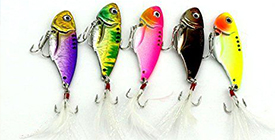
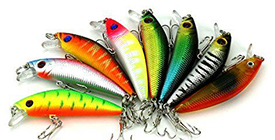
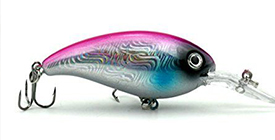
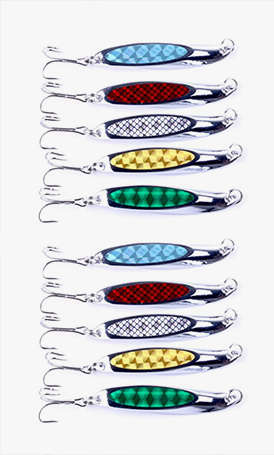

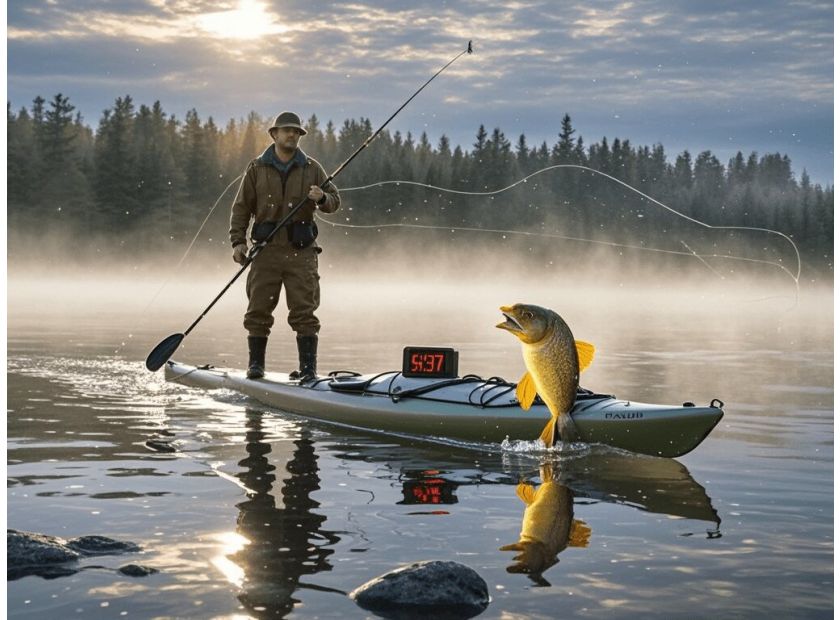
Alright, let’s dive right in. A few years back, on a July morning at Lake Texoma—one of those scorching Texas days where the sun beats down hard and the humidity feels like a warm blanket—I was out there, casting every lure in my tackle box and coming up empty. The water temp was hovering at 82°F, and I just couldn’t seem to get a single bite. That’s when my buddy Mike, who’d been watching me struggle, tossed me a new set of Popper Lures he’d picked up. “Try these,” he said, grinning. “I swear they work magic in this heat.”
First Cast, First Strike
Honestly, I was skeptical. I’d used poppers before, but they’d never done much for me. But I figured, what’s the harm? I tied one on my Fishing Set—a 6-foot medium-heavy rod that Mike had also recommended—and gave it a cast. As I popped it across the surface, the water erupted. A 3-pound bass launched itself out of the water, clamped down on the lure, and took off. I’d only been casting for ten seconds. That moment changed everything for me. I’d found my go-to lure for summer fishing.
Over the years, I’ve experimented with countless poppers. I’ve fished them in lakes across the country—from the sprawling Lake Okeechobee in Florida to the frigid waters of Lake Michigan in Michigan—and I’ve learned that poppers are incredibly versatile. They work in almost every season, but they truly shine in the warm summer months when fish are active near the surface.
Why Poppers Work
Let me tell you, poppers are designed to mimic the sound and movement of wounded baitfish. The concave face of the lure creates a loud “pop” when you jerk it, which grabs the attention of nearby fish. The water temp is a huge factor here—when it’s between 70°F and 85°F, bass, perch, and other gamefish are more likely to be near the surface, so the popper’s noise and action draw them in quickly.
One of my favorite spots to use poppers is on the Columbia River in Oregon. Last spring, the water temp was around 68°F, and the salmon were running. I tied on a bright red popper and cast it near the shore. The first pop I made, a salmon took it so hard that I almost lost my rod. I’ve had similar success at Lake Erie in Ohio, where walleye are known to strike poppers when the water is warm.
Choosing the Right Popper Lure
Not all poppers are created equal. The key to success is choosing the right size, color, and style for the water you’re fishing in. For example, in clear water like Lake Michigan, I prefer a natural color popper—something that looks like a real minnow. In murky water, I go for bright, bold colors like chartreuse or neon pink, which are easier for fish to see.
Size matters too. On small streams in Colorado, I use a tiny 1-inch popper to target trout. On larger lakes like Lake Okeechobee, a 3-inch or 4-inch popper is better for bass. I’ve also found that poppers with feathers or rubber skirts tend to attract more fish, especially in calm conditions. The extra movement of the feathers mimics the wings of a flying insect, which is a favorite snack for many gamefish.
Techniques for Success
Another tip is to target specific areas. Fish love to hide in cover—like lily pads, submerged logs, and rocks. Cast your popper near these areas and let it sit for a few seconds before popping it. The “sitting” action mimics a wounded baitfish that’s trying to recover, which is very attractive to predators.
Failures and Lessons Learned
I won’t sugarcoat it—I’ve had my fair share of failures with poppers. One time, I was fishing in a small pond in Texas, and I was using a popper that was too big. The fish were tiny bluegills, and they couldn’t even fit the lure in their mouths. I wasted hours trying to catch something before I realized my mistake. I switched to a smaller popper, and within minutes, I was catching bluegills left and right.
Another time, I was fishing in Lake Michigan in November. The water temp was 45°F, and I thought a popper might still work. I was wrong. The fish were deep, and they had no interest in a surface lure. I should have known better—poppers are most effective when the water is warm.
My Go-To Fishing Set
When it comes to fishing gear, I’m a firm believer in using quality equipment. My Fishing Set includes a 6-foot medium-heavy rod, a 10-pound monofilament line, and a spinning reel with a smooth drag system. I’ve used this set for years, and it’s never let me down. The rod is flexible enough to handle small fish, but strong enough to reel in larger ones like bass and salmon.
I also carry a variety of Popper Lures in my tackle box. I have small poppers for trout, medium-sized poppers for bass, and large poppers for salmon. I always make sure to bring a mix of colors—natural, bright, and dark—so I’m prepared for any water condition.
Personal Stories from the Water
Last summer, I went on a fishing trip to Lake Okeechobee with my son. We arrived early in the morning, and the water temp was 75°F. I tied a chartreuse popper on my Fishing Set and cast it near the lily pads. The first pop I made, a bass took it. My son was so excited that he wanted to try. I handed him my rod, and he caught a bass on his first cast. We spent the entire morning catching bass after bass, all on poppers. It was one of the best fishing trips of my life.
Another time, I was fishing in the Florida Keys. The water temp was 80°F, and I was targeting snook. I tied a red and white popper on my Fishing Set and cast it near the mangroves. A snook hit it so hard that I thought I’d hooked a shark. It took me ten minutes to reel it in, and it was one of the biggest snook I’d ever caught.
Final Tips for Success
If you’re new to popper fishing, don’t be discouraged. It takes practice to master the technique. Start with a slow retrieve and focus on the pop. Pay attention to the water temp and the conditions, and adjust your technique accordingly. Remember, poppers are most effective in warm water, so save them for the summer months when fish are active near the surface.
One last tip: always carry a variety of poppers in your tackle box. You never know what the fish will be biting on. A bright color might work one day, and a natural color the next. The more options you have, the better your chances of success.
Actionable Tip: Next time you’re out fishing, try using a popper lure in an area with submerged logs or lily pads. Cast the lure near the cover, let it sit for a few seconds, and then pop it. This technique mimics a wounded baitfish and is sure to attract nearby fish.


