






When the Reeds Whispered Secrets
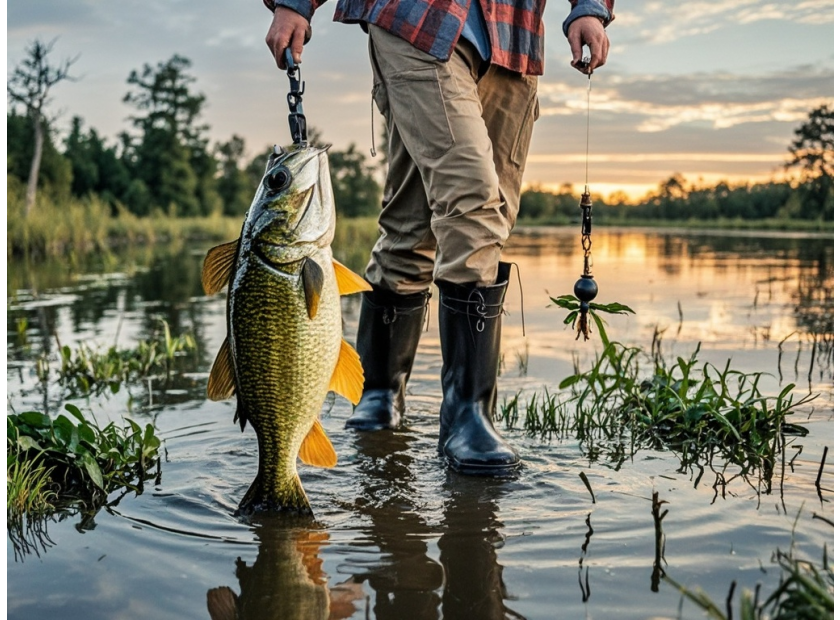
The predawn chill bit through my flannel as I waded into the marsh, wading boots sinking into the muck with that familiar sucking sound. Somewhere in this labyrinth of cattails and lily pads, smallmouth bass were chasing shad in water so tannin-stained it looked like brewed tea.
My first cast with a topwater frog sent concentric rings rippling toward a submerged log. Nothing. Not even the usual bluegill nibbles. By the time the sun burned off the mist, three different lures had failed to produce so much as a follow.
'Should've brought the kayak,' I muttered, untangling line from sawgrass. That's when the water exploded. Not where my lure sat motionless, but twenty yards east where the reeds formed a natural channel. Something big was feeding - and it had company.
Switching to a Carolina rig, I sent the soft plastic gliding into the ambush zone. The line jumped before I even began the retrieve. The rod doubled over, drag screaming like a tea kettle. For one terrifying second, the fish surged toward razor-edged oyster beds before turning parallel to shore.
When I finally lipped the bronze-backed warrior, its gills flared in protest. My thumb found the serrated edge of a recent osprey attack near its dorsal fin - proof that survival in these waters demanded constant vigilance. The bass kicked free before I could measure it, leaving me with wet sleeves and a story better than any trophy photo.
Sometimes the marsh gives answers to questions you didn't know to ask. Today's lesson? The best strikes often come when you're not watching your own line.


