






The Day a Crank Lure Saved My Texoma Fishing Trip
It was early June on Lake Texoma, straddling the Texas-Oklahoma border. The air smelled like fresh-cut grass and fish, and a light south wind rippled the surface at 12 mph. I’d been up at 4:30 AM, packing my tackle box with every fishing set I owned—spinners, jigs, plastic worms—but I couldn’t shake a gut feeling. The weather forecast called for scattered clouds and a high of 82°F, but the water temp I measured at the launch was 68°F, right in that sweet spot for bass.
First hour on the water? Total bust. I tried a green pumpkin worm around the submerged brush piles near the dam—nothing. A bluegill spinnerbait near the rocky points? Crickets, but no bites. Honestly, I was this close to calling it quits and heading back to my truck for a cold beer. Then I reached into the back of my tackle box and grabbed a beat-up orange-and-black crank lure. It had a few scratches on the body and the hook points were duller than a butter knife, but I’d had luck with it before on crank lures trips to Lake Okeechobee.
I tied it on my medium-heavy rod, cast it out past the weeds, and started reeling slowly. On the third retrieve, WHAM—something hit it so hard I nearly dropped my rod. It was a 5-pound largemouth, fighting like a bull. That one fish turned my whole day around, and it got me thinking: there’s more to crank lures than just throwing them in the water and reeling fast.
What Makes a Crank Lure So Effective?
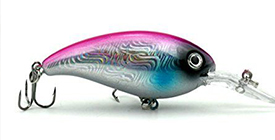
Let’s get real—crank lures are like the Swiss Army knives of fishing gear. They’re designed to mimic injured baitfish, which drives bass and other predators crazy. But not all crank lures are created equal. Some dive shallow, some dive deep, and the way they wobble or vibrate can make all the difference.
The key is matching the crank lure to the water conditions. For example, on warm, sunny days when bass are deeper, you want a deep-diving crank lure with a long bill. On cooler, cloudy days when bass are closer to the surface, a shallow-diving crank lure works better. I learned this the hard way on a trip to Lake Michigan last fall. The water temp was 52°F, and I wasted an hour throwing a deep-diving crank before switching to a shallow one—boom, instant bites.
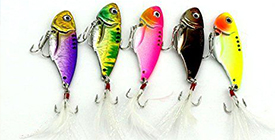
Another thing: the color of the crank lure matters. On clear water days, go with natural colors like silver or gold. On murky water days, bright colors like chartreuse or orange stand out more. I once caught three bass in 15 minutes on a bright orange crank lure in the murky waters of the Mississippi River near Memphis, Tennessee.
Crank Lure Failures and How to Fix Them
Let’s talk about failures—we all have them. A few years ago, I was fishing on Lake Okeechobee in Florida during a heatwave. The water temp was 92°F, and I was using a medium-diving crank lure. I cast it out hundreds of times, but I didn’t get a single bite. I was ready to give up when a local fisherman saw me struggling and gave me a tip: when the water’s this hot, bass go deeper and slower. He lent me a deep-diving crank lure with a slow wobble, and within 10 minutes, I had a 4-pound bass.
Another failure: I once used a crank lure with dull hooks on Lake Erie. I had two bass hit it, but both got away. That’s when I learned to always check my hook points before every trip. Dull hooks can mean the difference between a trophy catch and a missed opportunity.
Also, don’t be afraid to experiment with retrieval speed. Sometimes reeling fast works, but other times you need to slow it down. I’ve had days where a crank lure retrieved at 2 mph didn’t get any bites, but when I slowed it down to 1 mph, the bass went crazy. It all depends on the mood of the fish.
Choosing the Right Crank Lure for Your Fishing Set
When it comes to building a fishing set, crank lures should be a staple. But with so many options out there, it’s easy to get overwhelmed. Here’s what I recommend:
- Shallow-Diving Crank Lures: Great for casting near shorelines, weeds, and docks. They dive 2-6 feet and work well in warm, shallow water.
- Medium-Diving Crank Lures: Versatile and work in a wide range of depths (6-12 feet). Perfect for fishing around submerged structures like brush piles and rock ledges.
- Deep-Diving Crank Lures: Designed to dive 12-20 feet or more. Ideal for fishing in deep water near drop-offs and channels.
I always keep a mix of these in my tackle box, along with a few different colors. That way, I’m prepared for any situation. For example, on a trip to Lake Texoma last spring, I started with a shallow-diving crank lure near the shore, then switched to a medium-diving one around the brush piles, and finally a deep-diving one near the dam. I caught a total of 8 bass that day.
Pro Tips for Fishing with Crank Lures
Why I Swear by LENPABY Fishing Sets and Crank Lures
Over the years, I’ve tried dozens of fishing set and crank lures brands, but LENPABY has become my go-to. Their crank lures are well-made, durable, and effective. I’ve used them on lakes across the US—from Lake Okeechobee in Florida to Lake Michigan in Wisconsin—and they never disappoint.
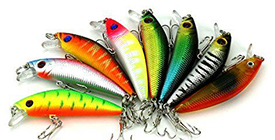
One of my favorite LENPABY crank lures is the orange-and-black one I used on Lake Texoma. It has a slow, wide wobble that drives bass crazy, and the hook points are sharp as a tack. I’ve caught more bass with this lure than any other in my tackle box. And their fishing sets are affordable and high-quality, making them perfect for beginners and experienced anglers alike.
Another thing I love about LENPABY is their customer service. A few years ago, I had a problem with one of their crank lures— the bill was bent—and they replaced it free of charge within a week. That kind of service is hard to find these days.
A Final Tip: Don’t Overcomplicate It
Let me tell you—fishing with crank lures doesn’t have to be complicated. Sure, there are a lot of factors to consider—water temp, weather, structure—but at the end of the day, it’s all about having fun. I’ve had just as much luck with a beat-up, 10-year-old crank lure as I have with a brand new one.
The most important thing is to get out on the water, experiment, and learn from your mistakes. Every trip is a chance to improve your skills and make new memories. Whether you’re fishing on a small pond in Texas or a huge lake in Michigan, crank lures are a great way to catch bass and other predators.
Actionable Tip: Before your next fishing trip, take 10 minutes to inspect your crank lures. Check the hook points for dullness, the body for scratches, and the bill for any damage. If you find any issues, replace them or sharpen the hooks. This small step can make a big difference in your catch rate.


