





Popper Lures: The Texas Fisherman's Guide to Topwater Magic
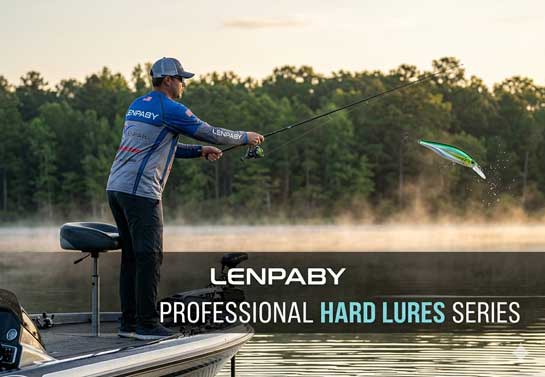
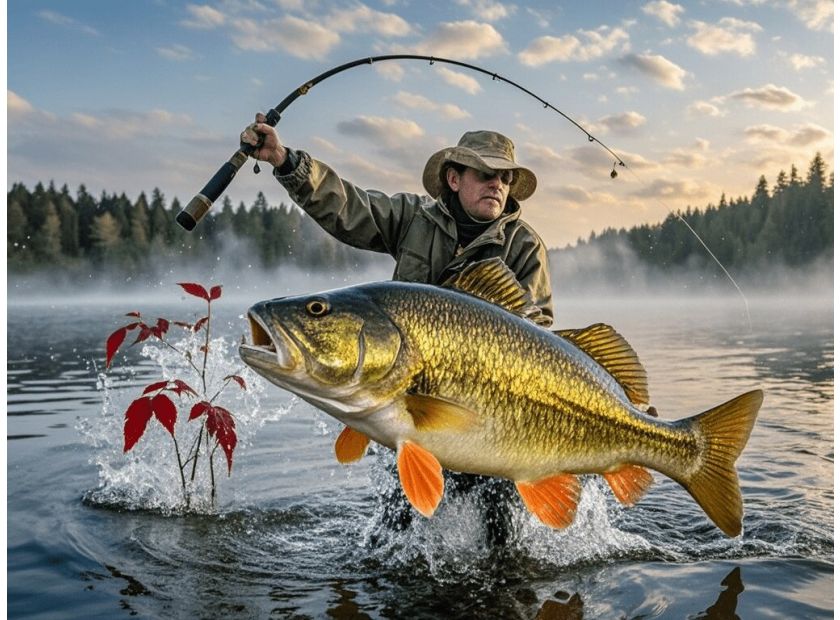
Alright, let’s get real. It’s 5:30 AM, July in Texas, and I’m sitting in my beat-up bass boat on Lake Texoma. The sky’s a mix of orange and purple, and the water’s still like glass. The humidity’s already thick enough to cut with a knife, but I don’t care—today’s the day I’m testing out my new popper lure from LENPABY. I’ve been chasing bass in this lake for years, and I know exactly where the sweet spots are. Let me tell you, nothing beats the thrill of a topwater bite, and poppers are my go-to for making that happen.
What Are Popper Lures, Anyway?
First off, let’s break down what a popper lure is. If you’re new to fishing, a popper is a type of topwater bait designed to make a loud, splashing noise when you retrieve it. The key feature is a concave or cupped face on the front of the lure. When you jerk your rod tip, the face displaces water, creating a popping or gurgling sound that attracts fish. Think of it like ringing a dinner bell for bass, pike, or even redfish.
But here’s the thing—poppers aren’t just about noise. They’re about presentation. The way you work a popper can make all the difference between a skunked trip and a cooler full of fish. Over the years, I’ve learned that poppers work best in specific conditions, and knowing those conditions is what separates a good day on the water from a great one.
Why I Love Popper Lures
So, why am I so obsessed with poppers? Well, for one, they’re incredibly versatile. I’ve caught bass in Texas, pike in Michigan, and redfish in Florida all with the same basic popper design. The noise they make cuts through murky water, making them perfect for low-visibility conditions. Plus, the visual commotion they create is hard for any predatory fish to ignore.
The Science Behind Popper Lures
Now, let’s get a little technical. Popper lures work because they mimic the sound and movement of injured prey on the water’s surface. Fish like bass and pike are opportunistic feeders, and they’ll strike at anything that looks or sounds vulnerable. The popping noise simulates the sound of a small fish struggling to escape, which triggers the predator’s natural instinct to attack.
The key to a successful popper retrieve is to vary your speed and jerking motion. Sometimes, a slow, steady retrieve with short jerks works best, while other times, a faster, more erratic retrieve is what gets the fish biting. It all depends on the water temperature and the fish’s mood that day. For example, in cooler water (around 60°F), fish are slower, so a slower retrieve is better. In warmer water (above 75°F), they’re more active, so you can crank up the speed a bit.
Choosing the Right Popper Lure
Alright, let’s talk about how to choose the right popper lure for your fishing needs. First and foremost, you’ll want to consider the species of fish you’re targeting. For bass, I recommend a popper between 2 and 4 inches long with a bright color (like chartreuse or orange) to stand out in murky water. For pike or musky, you’ll need a larger popper (up to 6 inches) to match their bigger appetites.
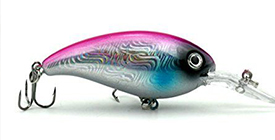
Another factor to consider is the size of the cupped face. A large cupped face will create a louder, more aggressive pop, which is great for attracting big fish in open water. A smaller cupped face makes a quieter, more subtle noise, which is better for calm, clear days or spooky fish. LENPABY has a great selection of poppers with both large and small cupped faces, so you can find the perfect one for your fishing spot.
Popper Lure Colors That Work
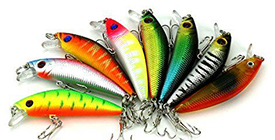
When it comes to color, I always say “match the hatch.” If you’re fishing in a lake with lots of bluegill or shad, a popper with silver or white accents will mimic those baitfish. If the water is murky, bright colors like chartreuse or orange will be more visible. On overcast days, darker colors like black or purple work well. I’ve found that LENPABY’s poppers come in a variety of colors, so you can always find one that matches the conditions.
How to Fish a Popper Lure
Now, let’s get to the good stuff—how to actually fish a popper lure. Here’s my step-by-step guide:
- Cast your popper out near structure like weeds, rocks, or fallen trees. These are places where fish like to hide and ambush prey.
- Let the popper sit for a few seconds to settle on the water’s surface. This gives the fish time to notice it.
- Jerk your rod tip sharply to make the popper pop. The key is to create a loud, splashing noise that attracts fish.
- Pause for a second or two before jerking again. This simulates an injured prey trying to escape.
- Repeat this retrieve until you feel a bite. Remember, patience is key—sometimes, fish will follow the popper for a while before striking.
One thing I’ve learned over the years is to vary my retrieve. If the fish aren’t biting with short, quick jerks, try longer, slower jerks. If that doesn’t work, speed up your retrieve or slow it down. Sometimes, all it takes is a small change in your technique to trigger a bite.
Where to Fish with Popper Lures
Now, let’s talk about where to use popper lures. The best spots are near structure like weeds, rocks, or fallen trees. These are places where fish like to hide and ambush prey. For example, at Lake Okeechobee in Florida, I love fishing poppers near the lily pads. The bass hide in the pads and strike when the popper gets close.
Another great spot for poppers is along the edges of shallow bays or coves. The water’s usually warmer there, which makes fish more active. At Lake Michigan, I’ve had great success fishing poppers near the sand dunes. The waves from the lake create a bit of commotion, which makes the popper’s sound even more effective.
Best Time of Day for Popper Fishing
The best time of day to fish with poppers is during the early morning or late evening. That’s when the water’s cooler, and the fish are more active. I’ve also had good luck fishing poppers during overcast days or after a light rain. The low light conditions make it harder for fish to see your lure, so the popping noise becomes even more important.
My Favorite Popper Lure Failures
Alright, let’s be honest—I’ve had my fair share of failures with popper lures. One time, I was fishing on Lake Lanier in Georgia, and I cast my popper out near a fallen tree. I gave it a sharp jerk, and it went flying right into the tree. The hook got stuck, and I had to use my pliers to get it free. Another time, I was fishing on the Mississippi River, and a big catfish decided to take a bite out of my popper. Let’s just say, the popper didn’t survive that encounter.
But here’s the thing—failures are part of the learning process. Each time I fail, I learn something new about the popper’s behavior or the fish’s mood that day. It’s what makes fishing so exciting—you never know what’s going to happen next.
Why LENPABY’s Popper Lures Are Different
Alright, let’s talk about LENPABY’s popper lures specifically. I’ve been using them for a few months now, and I can tell you they’re some of the best on the market. The attention to detail is incredible—each popper is hand-painted with vibrant colors that stand out in any water conditions. The hooks are sharp and strong, which means fewer fish getting away.
Another thing I love about LENPABY’s poppers is their durability. I’ve caught dozens of bass with them, and they still look and perform like new. The cupped face is designed to create a loud, consistent pop every time you jerk the rod. Plus, LENPABY offers a wide range of sizes and colors, so you can find the perfect popper for your fishing spot.
Other Lures to Add to Your Collection
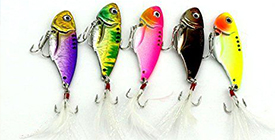
While poppers are my go-to for topwater fishing, I also love using Squid Jigs and Penceil Vib Lures from LENPABY. Squid jigs are great for fishing in deep water, and they’re perfect for catching squid or other bottom-dwelling fish. The penceil vib lures are great for fishing in murky water or low-light conditions. They’re bright, vibrantly colored, and they make a lot of noise, which attracts fish from a distance.
Final Thoughts and an Actionable Tip
Alright, let’s wrap this up. Popper lures are an essential tool for any serious fisherman. Their versatility, ease of use, and ability to attract fish make them perfect for both beginners and experienced anglers. Whether you’re fishing in Texas, Michigan, or Florida, a popper lure from LENPABY is sure to make your day on the water a success.


