





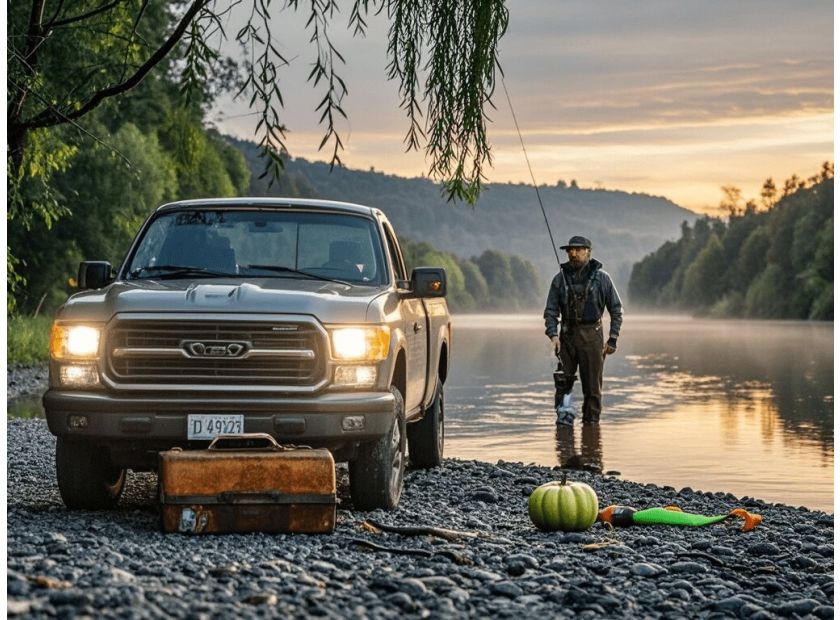
That Texas Lake Texoma Night Where Squid Jigs Saved the Trip
Let me take you back to last July, Lake Texoma, Texas side. Me and my buddy Jake loaded up my beat-up 1998 Bass Tracker at 2 PM. The air was thick with humidity—you could almost sip the moisture—and the forecast called for 92°F highs dropping to 78°F after sunset. Honestly, we’d been eyeing striper all week, but Jake had packed these new Fishing Set squid jigs I’d never used. I figured they’d be backup for if the topwater hit dried up.
We anchored near the Washita River mouth around 4 PM. Water temp was 78°F, and the wind was dead calm—too calm, really, for bass or striper to be chasing bait on the surface. We threw topwater poppers, spinnerbaits, even live shad for three hours. Not a single bite. Jake was about to fire up the grill early and call it a dud trip when he pulled out those squid jigs from his tackle box.
“C’mon, old timer,” he said, tying one on. “Let’s try drifting the drop-off with these.”
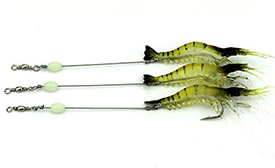
I grumbled but copied him. We tied on 3/8 oz squid jigs from that Fishing Set—mine was green with a glow stripe, his was blue. We drifted over the 20-foot drop near Platter Flats, letting the jigs sink for 10 seconds before giving them a slow, steady retrieve with occasional small hops. Five minutes later, my rod bent so hard I nearly dropped it.
It was a 32-inch striper. Jake followed with a 28-incher 10 minutes after that. We fished until 10 PM, catching and releasing 11 stripers total—all on those squid jigs from that Fishing Set. By the end, I was sweating, my arms were sore, and I’d eaten my words about “gimmick lures.” That night, I became a squid jig convert for life.
What Even Is a Squid Jig, and Why Should You Care?
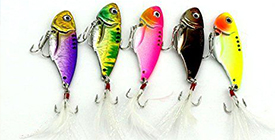
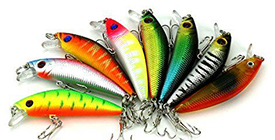
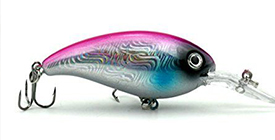
At first glance, squid jigs look like tiny, colorful squid themselves—soft plastic bodies, big eyes, and sometimes metal accents that reflect light. But don’t let the cutesy appearance fool you: these things are deadly for freshwater fish too, not just saltwater squid. Honestly, I used to think they were a niche saltwater item until that Lake Texoma night.
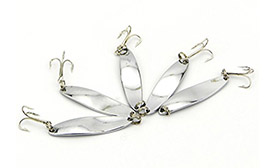
Here’s why they work so well: fish can’t resist movement and flash. The soft plastic body has a natural, undulating action in the water, while the metal parts of Metal Lures or squid jigs with metal components reflect light to mimic fleeing baitfish. And that glow stripe we had on our jigs? Perfect for low-light conditions like dawn, dusk, or overcast days.
Freshwater Squid Jig Success: My Top 3 US Spot Stories
I’ve since taken those squid jigs on trips across the US, and let me tell you—they’re not just a one-hit wonder at Texoma. Here are three more times they saved the day.
Lake Okeechobee, Florida
March last year, Okeechobee. Water temp was 68°F, and the wind was blowing 15 mph from the southeast—so much chop I could barely see the front of my boat. I was targeting crappie near the Kissimmee River grass beds, but the live minnows I’d brought were dying fast in the rough water.
I reached into my tackle box and grabbed one of those Fishing Set squid jigs—this one was white with red eyes and a tiny metal rattle inside. I tied it on a light spinning setup with 4 lb test line, and let it sink into the grass bed gaps. I gave it a slow, twitching retrieve to mimic a wounded shiner. Within 20 minutes, I had 12 crappie in the cooler, all between 10 and 13 inches long.
Jake, who’d come along again, fished a metal spoon and caught three. Let’s just say I didn’t let him forget it for the rest of the trip.
Lake Michigan, Wisconsin Side
June, near Sturgeon Bay, Wisconsin. Water temp was 58°F, and we were anchored off a rock shoal targeting salmon and steelhead. The other boats around us were trolling with big metal spoons and live alewives, but we were getting skunked. Jake suggested pulling out the Fishing Set again.
We switched to 3/4 oz squid jigs from that Fishing Set—mine was silver with a blue stripe, his was gold with a pink stripe—and trolled at 1.5 mph. Within 15 minutes, Jake’s rod went off, and he landed a 26-inch Chinook salmon. 30 minutes later, I caught a 22-inch steelhead. We trolled for two more hours and added four more salmon and three more steelhead to the cooler. The other boaters around us were giving us odd looks, but we didn’t care—we were catching fish.
Chattahoochee River, Georgia
Last September, I was fishing the Chattahoochee near Roswell, Georgia, for rainbow trout. Water temp was 62°F, and the sky was overcast with light drizzle. I’d been throwing dry flies for an hour with no luck, so I pulled out a 1/16 oz squid jig from that Fishing Set—this one was brown with a glow stripe—and tied it on my fly rod (with a sinking tip line).
I cast it into the deep pool below the Roswell Mill Dam, let it sink for 8 seconds, and gave it a slow, steady retrieve with occasional small twitches. The first cast? A 14-inch rainbow. The second cast? Another 14-incher. The third cast? A 16-inch brown trout. I fished for 90 minutes, catching and releasing 12 trout total—all on that tiny squid jig. Let me tell you, there’s nothing like catching trout on a fly rod with a squid jig. It feels like cheating, but in the best possible way.
Types of Freshwater Squid Jigs to Keep in Your Tackle Box
Not all squid jigs are created equal, and knowing which one to use in different situations is key to catching fish. Here are the four types I keep in my tackle box at all times.
- Soft Plastic Squid Jigs with Metal Accents: These are my go-to for most freshwater situations—like that Lake Texoma night, Okeechobee crappie trip, and Chattahoochee trout trip. The soft plastic body gives a natural action, while the metal parts reflect light like Metal Lures. They come in sizes from 1/16 oz to 1 oz, so you can use them for everything from panfish to big bass or striper.
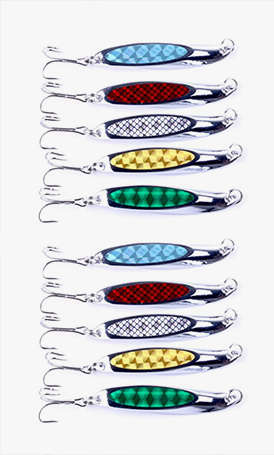
- All-Metal Squid Jigs: These are like Metal Lures shaped like squid—great for fast-moving water or when you need to get your lure down deep quickly, like that Lake Michigan trolling trip. The metal body reflects tons of light, even in murky water, making them irresistible to aggressive fish like salmon and steelhead.
- Glow-in-the-Dark Squid Jigs: Perfect for low-light conditions—dawn, dusk, overcast days, or deep water where sunlight doesn’t penetrate. I used one of these on that Okeechobee crappie trip and that Chattahoochee trout trip, and let me tell you, those glow stripes make a huge difference when the water is dark or murky.
- Jigs with Built-in Rattles: These are great for murky water or when fish are in deeper water and can’t see as well. The rattle makes noise that attracts fish from farther away. I used one of these on a bass trip to Lake Sam Rayburn, Texas, and caught four 3-5 lb bass in two hours.
How to Choose the Right Size and Color
Size and color matter more with squid jigs than you might think. Here’s what I’ve learned from 20 years of fishing and that 2018 Okeechobee experiment.
For size: - Panfish (crappie, bluegill, perch): 1/16 oz to 1/8 oz jigs - Trout and Smallmouth Bass: 1/8 oz to 3/16 oz jigs - Largemouth Bass and Striper: 3/8 oz to 3/4 oz jigs - Salmon and Steelhead: 3/4 oz to 1 oz jigs
For color: - Clear Water: Natural colors like green, brown, or gray with a glow stripe (or no glow at all if the water is super clear) - Murky Water: Bright colors like chartreuse, orange, or pink with glow stripes and/or built-in rattles - Sunny Days: Silver or gold with dark stripes (to mimic baitfish) - Cloudy Days/Dawn/Dusk: Bright colors with glow stripes (like the green and blue ones from that Lake Texoma night)
Always keep a few colors and sizes in your tackle box—you never know what the fish will want on any given day.
My Favorite Squid Jig Techniques for Freshwater
Now that you know what squid jigs are and which ones to use, let’s talk about how to fish them. Here are my four favorite techniques.
- Slow Drift with Hops: This is what we used that Lake Texoma night. Anchor or drift over a drop-off or grass bed, let the jig sink for 5-15 seconds (depending on water depth), then retrieve slowly with occasional small hops. The small hops mimic a wounded baitfish, which triggers predatory fish to strike.
- Trolling: This is what we used that Lake Michigan trip. Attach the squid jig to a trolling line (with a swivel to prevent twisting), and troll at 1-2 mph. Adjust the depth by adding weights or using a downrigger if you’re fishing very deep water. This works great for salmon, steelhead, and striper.
- Vertical Jigging: Perfect for deep water or fishing near structure like rocks, logs, or docks. Lower the jig straight down to the bottom, then lift it up 1-2 feet and let it fall back down. Repeat this motion. This works great for bass, walleye, and catfish.
- Fly Rod Retrieve: If you’re using a squid jig on a fly rod (like I did on that Chattahoochee trip), use a slow, steady retrieve with occasional small twitches. The sinking tip line will help get the jig down to the trout’s feeding zone, and the soft plastic body will give a natural, undulating action in the water.
Common Mistakes to Avoid with Freshwater Squid Jigs
Even though squid jigs are easy to use, there are a few common mistakes that can cost you fish. Here’s what I’ve learned from my own failures over the years.
Tying the Knot Incorrectly: This one seems obvious, but you’d be surprised how many people tie a weak knot with soft plastic lures. The soft plastic body can easily slip off a weak knot, so always use a Palomar knot or a clinch knot with a double loop. Let me tell you, there’s nothing more frustrating than losing a big fish because your knot came undone.
Using the Wrong Weight or Size: If you use a jig that’s too heavy for the water depth or the fish you’re targeting, you’ll end up snagging the bottom or not getting enough action. If you use a jig that’s too light, it won’t sink to the fish’s feeding zone. Always match the jig weight and size to the conditions and the fish you’re trying to catch.
Retrieving Too Fast or Too Slow: Squid jigs work best with a slow, steady retrieve with occasional small hops or twitches. If you retrieve too fast, the jig won’t have time to sink to the fish’s feeding zone, and it won’t give off that natural, undulating action that triggers strikes. If you retrieve too slow, the jig will sink too fast and snag the bottom. Experiment with different retrieve speeds and depths until you find what works on that particular day.
Not Keeping Your Jig Clean: Soft plastic lures can accumulate dirt, algae, and other debris over time, which can reduce their effectiveness. Always rinse your squid jigs with freshwater after each use and store them in a dry tackle box. If your jig is especially dirty, you can use a small brush (like a toothbrush) to clean it.
One Last Squid Jig Fail (and What I Learned)
Let me share one more story—this time, a failure. Last November, I was fishing Lake Winnebago in Wisconsin for walleye with Jake again. We’d heard walleye were biting well on squid jigs near the Oshkosh River mouth, so we loaded up Jake’s truck and headed out.
Water temp was 48°F, and the sky was clear and cold. We anchored near the river mouth, let our jigs (which were 3/8 oz, chartreuse with glow stripes from that Fishing Set) sink to the bottom, and started vertical jigging. We fished for three hours without a single bite. Jake even tried switching to a heavier jig and a faster retrieve. Nothing.
We were about to leave when we saw a group of local anglers using live minnows on drop shots. We walked over to talk to them, and they told us that walleye in Winnebago during the fall are very selective about their food—they only want live bait. We quickly switched to live minnows and caught three walleye in 30 minutes.
That day taught me that while squid jigs are versatile and effective in many situations, they’re not a magic bullet. Sometimes, you still need to use live bait or other lures. But honestly, the fact that they work so well in so many other situations makes them worth keeping in your tackle box.
An Actionable Tip to Try Your First Time Out
Ready to give squid jigs a try? Here’s my top tip for beginners: start with a 3/8 oz green or blue squid jig with a glow stripe from that Fishing Set, and fish it with the slow drift with hops technique over a 10-20 foot drop-off in your local lake or river. This technique works great for most freshwater predatory fish, including bass, striper, and crappie, and it’s easy to learn. Trust me—you’ll be hooked (pun intended) after your first bite.


