





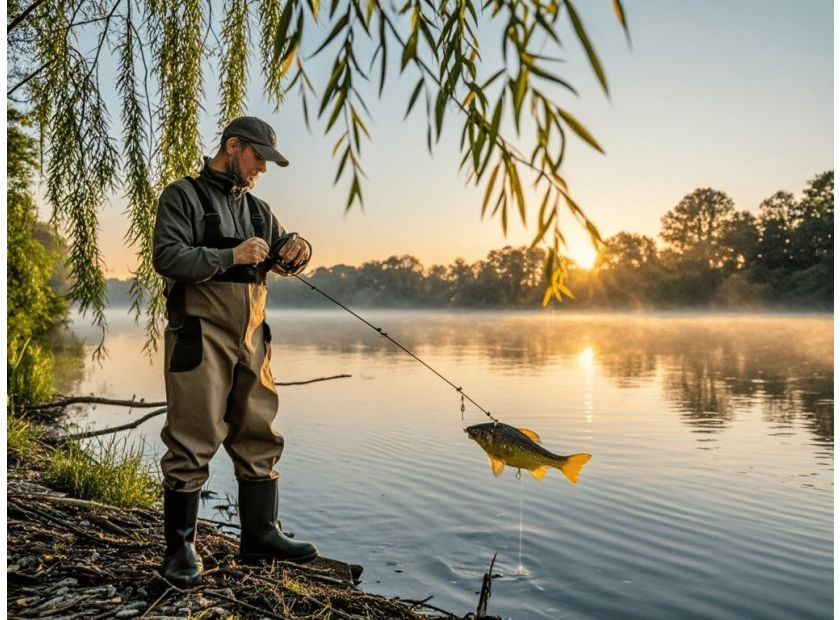
Alright, let’s set the scene: I was out on Lake Okeechobee a few weeks back, the sun was just starting to peek over the Florida palms, casting long shadows across the glassy water. The air smelled like freshwater and pine, and I was up before 5 a.m. to beat the heat. My goal? To catch some big bass, and I was banking on my trusty popper lure.
This wasn’t my first time fishing Okeechobee, but I’d never tried poppers here before. I’d read somewhere that they work great in the early morning when the fish are feeding near the surface. Honestly, I was a little nervous. What if the water temp was too cold? Or maybe I was using the wrong size? But sometimes, you just have to trust your instincts.
Why Poppers? A Personal Discovery
I’ve been fishing for bass and other freshwater species across the US for over 20 years. I’ve tried every lure under the sun, from Metal Lures to soft plastics. But poppers? They’re something special. Let me tell you—they have this unique ability to create a commotion on the surface that drives fish wild.
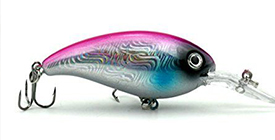
Water temperature that morning was 68°F, which is perfect for popper fishing. Bass are more active in the early morning, especially when the water is cool. I tied on a 3-inch popper with a bright yellow body and black spots. The idea was to make it look like a struggling insect or small baitfish, something that would catch their attention quickly.
The First Bite
I cast my line towards the edge of the lily pads. The popper landed with a soft plop, and I let it sit for a second. Then I gave it a quick twitch. The surface exploded! A bass hit the lure with so much force that I almost lost my grip on the rod. I fought it for a few minutes, reeling it in slowly and steadily. When I finally lifted it out of the water, I couldn’t believe my eyes—it was a 5-pound largemouth bass.
I was so excited that I almost forgot to take a photo. After a quick snapshot, I released the fish back into the lake. That moment right there? It’s why I love Bass Fishing so much—those split seconds of adrenaline when everything comes together.
What I Learned
Another thing I picked up was the importance of the retrieve. A quick twitch followed by a pause worked best that day. Letting the popper sit for a second after each twitch mimicked a struggling insect, which is exactly what the bass were looking for.
My Share of Failures
Now, I don’t want you to think that every trip with a popper is a success. I’ve had my fair share of failures. Last summer, I went fishing on Lake Texoma in Texas. The water temp was 85°F, and it was a hot, sunny day. I tried using the same popper that worked on Okeechobee, but I didn’t get a single bite.
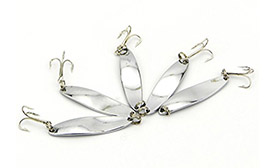
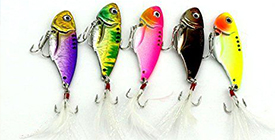
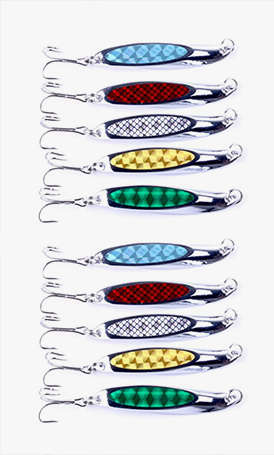
Why? Because the water was too warm. Bass tend to move to deeper, cooler water when the surface gets too hot. So, using a popper in the middle of the day when the water is 85°F isn’t the best idea. I switched to a Metal Lures that sinks to the bottom, and I caught a few small bass.
That failure taught me that it’s important to adapt to the conditions. What works in one situation might not work in another. It’s all about paying attention to the weather, water temp, and what the fish are doing.
Tips for Success with Poppers
So, you might be wondering—how do you use poppers effectively? Well, here are a few tips that I’ve picked up over the years:
- Choose the Right Time: Early morning or late evening is best, when the water is cool and the fish are feeding near the surface.
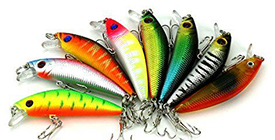
- Select the Right Color: Bright colors (like yellow, orange, or red) work well in murky water or near weeds. Natural colors (like brown or green) are better in clear water.
- Use the Proper Retrieve: Twitching the rod tip to make the popper “pop” and then pausing for a second before the next twitch works well.
- Target Structure: Cast near lily pads, docks, or fallen trees—these are great hiding spots for bass.
- Match the Hatch: If you see insects or small baitfish on the surface, choose a popper that looks similar.
My Go-To Poppers
Over the years, I’ve tried a lot of different poppers, and I have a few favorites. Some of my go-tos are from brands like Rebel, Rapala, and Heddon. I look for poppers with a durable body and strong hooks that won’t bend or break when you’re fighting a big fish.
When it comes to size, I usually use 3-inch poppers for bass and 2-inch poppers for smaller species like bluegill or crappie. The weight of the popper matters too—lighter poppers are better for calm water, while heavier ones work well in windy conditions.
Real Data from My Trips
I’ve been keeping track of my fishing trips for the past few years, and here’s some real data from my experiences with poppers:
- Water Temperature: Poppers work best when the water temp is between 60°F and 75°F. Below 60°F, bass are less active near the surface. Above 80°F, they move to deeper water.
- Weather Conditions: Overcast days or light rain are ideal. On sunny days, the fish tend to move into deeper, shadier areas.
- Time of Day: Early morning (before 8 a.m.) and late evening (after 5 p.m.) are the most productive times to use poppers.
So, to sum everything up—poppers are a versatile and effective lure that every bass fisherman should have in their tackle box. They’re perfect for those early morning trips when the water is cool and the fish are feeding near the surface. Just remember to adapt to the conditions, use the right color, and pay attention to the retrieve.
Here’s my final, actionable tip for you: next time you’re fishing in the early morning, try tying on a 3-inch popper with a bright yellow body. Cast near lily pads or fallen trees, use a quick twitch and pause retrieve, and see what happens. You might just catch the biggest bass of your life.


