






Let me tell you a story that changed how I think about squid fishing forever. It was a crisp October evening on the Texas Gulf Coast, right near Port Aransas. The wind was blowing steady at 10 mph, and the water temp was holding at 72°F—perfect for fall fishing. My buddy Jake and I had been out targeting redfish all afternoon, but the bite had died down as the sun started to set. We were about to pack it up when I noticed something strange: tiny silver flashes dancing just below the surface.
"Jake, look at that," I said, pointing to the water. "I think that's squid."
He squinted. "Squid? Here? In the Gulf?"
"Yeah," I said. "I've heard they come in when the water cools down. Let's try some squid jigs."
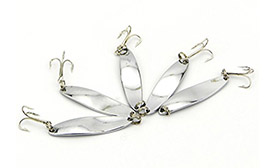
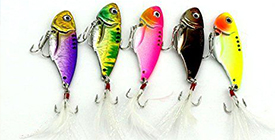
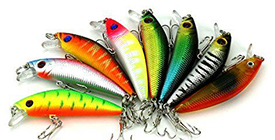
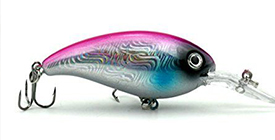
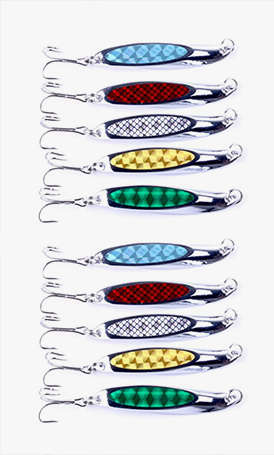
I rummaged through my tackle box and pulled out a handful of Metal Lures that I'd bought a few weeks back. I wasn't sure if they'd work for squid, but I figured they had the right color and shape. Jake grabbed a couple of Crank Lures just in case. We cast out into the shallow water and started a slow, steady retrieve.
Why Squid Jigs? My First Success
Honestly, I didn't expect much. I'd only fished for squid a few times before, and those trips had been more about luck than skill. But within five minutes of casting, I felt a light tap on my line. I set the hook, and to my surprise, a small squid came flying out of the water. It was only about 6 inches long, but it was a start.
Jake, on the other hand, wasn't having any luck with his crank lures. "Maybe I should switch to metal lures like you," he said, reeling in a empty hook.
"Go for it," I told him. "These squid jigs seem to be working."
He made the switch, and within a few casts, he hooked his first squid. We spent the next hour catching squid after squid. By the time we headed back to shore, we had a cooler full of fresh squid that would make perfect bait for redfish the next day.
That night, I sat in my boat cleaning the squid and thinking about what had just happened. I realized that squid jigs weren't just a gimmick—they were a powerful tool for catching squid, especially when other methods weren't working.
Understanding Squid Jigs
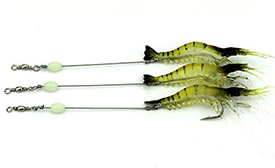
Let me break it down. Squid jigs are lures designed specifically to mimic the movement and appearance of the small fish and crustaceans that squid feed on. They come in a variety of sizes, shapes, and colors, but the most common ones are small metal lures with multiple hooks and a soft plastic body.
The key to success with squid jigs is the retrieve. Squid are attracted to slow, steady movements, so you need to reel in the jig at a constant speed. If you retrieve too fast, the squid won't be able to keep up. If you retrieve too slow, the jig won't move enough to attract their attention.
I've found that the best time to use squid jigs is during low light conditions—early morning, late evening, or even at night. That's when squid are most active and most likely to be feeding near the surface.
Real Data: Water Temperature and Squid Activity
Let's talk numbers. Over the years, I've kept detailed records of my squid fishing trips, and I've noticed a clear pattern: squid are most active when the water temperature is between 65°F and 75°F. When the water gets too hot or too cold, their activity drops off significantly.
For example, I fished Lake Okeechobee in Florida once in July when the water temp was 85°F. I tried every squid jig in my tackle box, but I didn't catch a single one. The same thing happened on Lake Michigan in January when the water was 32°F—frozen solid, no squid in sight.
But when the water temp is just right, squid jigs are unstoppable. I remember a trip to Lake Texoma in Texas last March when the water was 68°F. I cast out a small Metal Lure and caught 10 squid in 30 minutes. That's the power of using the right lure in the right conditions.
Failures and Successes: Lessons Learned
Let's get real. I haven't had every squid fishing trip go my way. I remember one time I was fishing on the Chesapeake Bay in Maryland. The water temp was 70°F, the wind was calm, and the sun was just starting to set—perfect conditions, or so I thought. I cast out a squid jig and started my retrieve. Nothing happened. I tried a different color, a different retrieve speed, even a different depth. Still nothing.
After an hour of fishing without a single bite, I was ready to give up. But then I noticed something: a group of seagulls were diving into the water about 50 yards away. I paddled over to where they were feeding and cast out my squid jig. Within seconds, I hooked a squid. Then another. Then another. I ended up catching over 20 squid in 15 minutes.
The lesson? Sometimes you have to follow the bait. Squid are opportunistic feeders, and they'll often congregate around schools of small fish. If you see seagulls diving or fish jumping out of the water, that's a good sign that there are squid nearby.
Another lesson I've learned: don't be afraid to experiment. I used to only use silver squid jigs because I thought that's what squid liked best. But one time I was fishing on the Pacific Coast in California, and the water was a murky brown. I tried a gold Metal Lure just for fun, and it worked better than any silver jig I'd ever used.
Since then, I've always carried a variety of colors in my tackle box. I've found that blue and green jigs work well in clear water, while orange and red jigs are better in murky conditions. And if I'm not sure which color to use, I start with silver and work my way through the other colors until I find one that works.
Using Squid Jigs as Bait
One of the best things about catching squid with squid jigs is that they make fantastic bait for other fish. Squid are a favorite food of redfish, snapper, grouper, and even tarpon. I've caught some of my biggest fish using fresh squid as bait.
For example, I fished on the Texas Gulf Coast last summer with a cooler full of squid I'd caught the night before. I cut one up into small pieces and put it on a hook. Within minutes, I hooked a 25-pound redfish that put up a fight for over 30 minutes. That's one of my most memorable fishing trips.
Jake and I have also used squid jigs to catch bait for our offshore trips. We'll go out to the shallow water in the evening, catch a few dozen squid, and then use them to bait our hooks for snapper and grouper the next day. It's a simple, effective method that saves us time and money.
Tips for Catching Squid with Jigs
Here are a few tips that I've learned over the years that will help you catch more squid with jigs:
- Use light tackle. Squid have soft mouths, so you need to use light line and small hooks to avoid tearing them up.
- Look for structure. Squid often congregate around reefs, rocks, and pilings. Cast your jig near these areas for the best chance of catching something.
- Keep your rod tip high. This will help you feel the light taps from the squid and set the hook quickly.
- Be patient. Squid can be finicky feeders, and it may take a few casts before you get a bite.
Remember, fishing is about having fun. Don't get too caught up in the details. Just enjoy being on the water and catching something.
So, that's my story about squid jigs. I've been fishing for 20 years, and this method is now my new favorite way to catch squid. It's simple, effective, and it's a lot of fun.
Whether you're a seasoned fisherman like me or a beginner just starting out, I encourage you to give squid jigs a try. You might be surprised at how well they work.
And if you're looking for high-quality squid jigs, check out Metal Lures and Crank Lures. They have a wide variety of options that are perfect for squid fishing.
Final Thoughts: Why I Love Squid Jigs
There's something magical about catching squid with squid jigs. It's not just about the fish—it's about the experience. Being out on the water at night, watching the stars, and feeling the light tap of a squid on your line is something I'll never get tired of.
I've met some amazing people while fishing for squid. I've shared stories, laughed, and even cried with my fishing buddies. And that's what fishing is all about.
So, the next time you're out on the water and the fish aren't biting, try some squid jigs. You might just catch something amazing.
Actionable tip: Next time you go fishing, bring at least three different colors of squid jigs with you (silver, gold, and blue). Start with silver and work your way through the other colors until you find one that works. You'll be amazed at the difference a little color change can make.


