




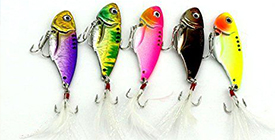
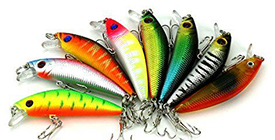
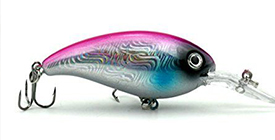
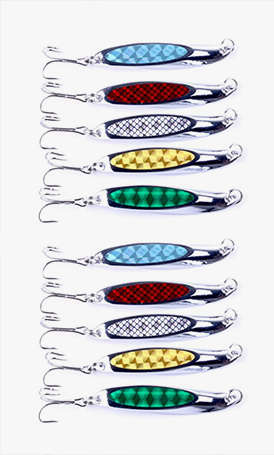

Alright, buddy, let me tell you about a time when I was fishing in the sweltering heat of Florida’s Lake Okeechobee back in 2018. The sun was blaring down, making the air feel like a furnace at 95°F, and the water temperature had climbed to a balmy 82°F by mid-morning. I had my go-to setup with a 7-foot medium-heavy rod, a 20-pound braided line, and a bright red-and-white popper lure. I’d been casting for hours, switching between different lures—even tried those fancy Frog Lures that everyone raves about—but nothing was working. The bass were clearly active, crashing through the lily pads, but they were ignoring everything I threw at them.
Why Popper Lures Are a Fisherman's Best Friend
Popper lures are one of the most effective types of lures in a fisherman’s arsenal, especially for targeting bass, pike, and musky in shallow water. Their design is simple yet brilliant: they have a concave face that creates a loud popping and splashing sound when pulled sharply through the water. This mimics the behavior of a dying or injured baitfish, which is like a dinner bell for predatory fish. But not all popper lures are created equal. The key is to choose the right one for the right conditions.
Over the years, I’ve used popper lures in almost every freshwater body imaginable across the US. From the deep, cold waters of Lake Michigan to the murky, vegetation-choked waters of Lake Okeechobee to the clear, fast-moving rivers of Montana, popper lures have never let me down. But it’s important to adjust your technique and lure choice based on the time of day, water temperature, and weather conditions. Let me break it down for you.
Choosing the Right Popper Lure
Size Matters
The size of your popper lure should correspond to the size of the baitfish in the water you’re fishing. In spring, when the water is still cool and the baitfish are smaller, I’ll use a 2-inch popper lure. This mimics the small minnows and fry that the bass are feeding on. As the water warms up in summer and the baitfish grow larger, I’ll switch to a 3- or 4-inch popper lure. In lakes like Lake Texoma, where the bass get big, I’ll sometimes use a 5-inch popper to target those trophy-sized fish.
Color Selection
Color is another crucial factor in choosing a popper lure. Bright colors like red, white, and chartreuse work best in clear water or on sunny days, as they are easier for fish to see. On cloudy days or in murky water, I prefer darker colors like black or brown. For example, when I was fishing in the murky waters of Louisiana’s Atchafalaya River last year, a black popper lure with a red belly was my go-to. It mimicked the crawfish that were abundant in the area, and the bass couldn’t resist it.
Mastering the Popping Technique
As I learned that day on Lake Okeechobee, the key to fishing with popper lures is mastering the popping technique. It’s not enough to just reel them in straight—you have to make them act like a dying baitfish. Here’s how I do it:
- Cast and Pause: After casting your popper out, let it sit on the surface for a second or two to give the fish time to notice it. This is especially important in cold water, where the fish are less active.
- Pop and Pause: Give your rod a sharp jerk to make the popper create that iconic popping and splashing sound. Then pause for a second or two to let the ripples settle and the fish get closer.
- Varied Pacing: Experiment with different popping intervals and speeds. Sometimes, a fast, aggressive pop works best, while other times, a slow, subtle pop is more effective. On a recent trip to Lake Cumberland in Kentucky, I found that a quick pop followed by a 3-second pause was the magic formula for catching smallmouth bass.
Real-Life Success (and Failure) Stories
Let me share another story with you to show just how effective popper lures can be. Last fall, I was fishing in the early morning on Lake St. Clair in Michigan. The air was crisp, and the water temperature had dropped to 58°F. The bass were schooling near the surface, feeding on schools of shad that were jumping out of the water to escape predators. I grabbed my trusty 3-inch white popper lure and cast it out into the middle of the commotion. I gave it a sharp pop, and within seconds, I felt a hard strike. It was a 4-pound smallmouth bass, silver and shiny in the early morning light. That day, I caught over 20 bass using the same popper lure and technique.
But it’s not all sunshine and big catches with popper lures. I’ve had my fair share of failures too. A few years ago, I was fishing in the deep, clear waters of Lake Tahoe in California. The water temperature was a chilly 52°F, and the trout were feeding near the bottom. I thought I’d try my popper lure anyway, since the water was so clear. I cast it out towards a submerged rock ledge and started popping it. But nothing happened. The trout were clearly not interested in surface lures in those cold, deep waters. I ended up switching to Soft Plastics and caught a few nice rainbow trout, but that day taught me an important lesson: popper lures are best suited for shallow water fishing in warmer conditions.
Tips and Tricks for Popper Lure Fishing
Timing is Everything
Popper lures are most effective during the early morning and late afternoon, when the water is still cool and the fish are feeding near the surface. The golden hour, just before sunrise and just after sunset, is especially good for popper lure fishing. During these times, the light is dimmer, and the fish are less wary of surface lures. I’ve had some of my best catches using popper lures during the golden hour at Lake Texoma in Texas, where the largemouth bass are known for their aggressive surface feeding behavior.
Target the Right Areas
When fishing with popper lures, it’s important to target the right areas. Look for shallow water areas with vegetation, like lily pads, cattails, and submerged weeds. These are prime feeding grounds for bass and other predatory fish, as they provide cover for both the baitfish and the predators. I’ve had great success using popper lures near the edge of lily pads at Lake Okeechobee, where the bass are constantly waiting to ambush unsuspecting baitfish.
Adjust for Weather Conditions
The weather can also have a big impact on how effective popper lures are. On sunny days, the fish are more likely to be in deeper, shaded water, so you may want to switch to a different type of lure. On cloudy days or when it’s lightly raining, the fish are more active near the surface, making popper lures a great choice. I remember a rainy day in Georgia’s Lake Lanier a few years ago, where the bass were literally jumping out of the water to hit my popper lure. I caught over 15 bass that day, all using the same popper lure and technique.
Tying It All Together
Popper lures are more than just a tool in a fisherman’s tackle box—they’re a time-tested method for catching fish that have been proven effective across the US. Their simple design and loud popping sound make them an ideal choice for targeting bass, pike, and musky in shallow water, especially during the early morning and late afternoon. But it’s important to choose the right popper lure for the right conditions, and to master the popping technique to maximize your chances of success. And remember, even the most experienced fishermen have their bad days. If your popper lure isn’t working, don’t be afraid to switch to a different type of lure, like Frog Lures or Soft Plastics.
Here’s my small, actionable tip for you: the next time you’re out fishing with a popper lure, try adding a small piece of Soft Plastics to the hook. This will make the lure more visible and attractive to fish, especially in murky water. For example, you could add a small piece of soft plastic worm or crayfish to your popper lure. This simple trick has helped me catch more fish than I can count over the years, and I’m confident it will work for you too.


