





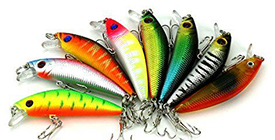
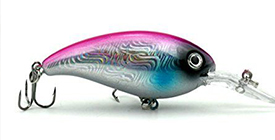
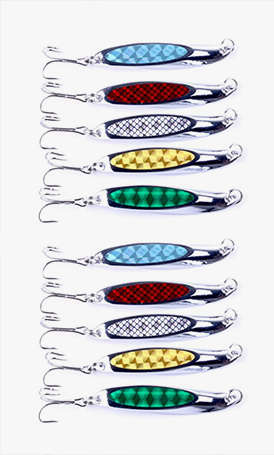

Let me tell you about the trip that changed how I think about squid fishing. It was early November, a crisp 45°F morning on Texoma Lake straddling Texas and Oklahoma. My buddy Jake and I had been chasing bass for years, but this time, we’d heard whispers about monster squid in the deeper coves near Eisenhower State Park. The sky was clear, wind barely a breath, and Jake kept joking that we’d be “fish out of water” chasing cephalopods instead of bass. Little did we know, that day would turn into one of the most memorable fishing adventures of my 20-year career.
The Unexpected Squid Catch That Hooked Me
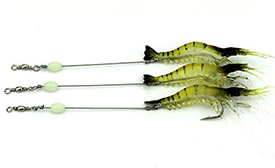
We’d set up our rods with cheap, generic squid jigs we’d grabbed at the local bait shop. Honestly, I didn’t even think they’d work—just figured we’d toss them out to test the waters. The water temp hovered around 58°F, and we were trolling along the 25-foot contour line near the Dam Area. For the first hour, nothing. Not a single nibble. Jake was about to give up and switch back to bass lures when my rod tip started bouncing like crazy. I set the hook, and the line took off like a bullet.
After a 10-minute fight, I hauled in a squid that must have been 2 feet long. Its tentacles were flailing, ink squirting everywhere, and Jake’s jaw hit the deck. “You caught that with that thing?” he asked, pointing at my generic jig. That’s when I realized: the right squid jig can make all the difference. Those cheap jigs we’d bought were a lucky break, but they wouldn’t hold up to a full day of fishing. We needed something better—something designed specifically for squid.
What Makes a Good Squid Jig?
But honestly, none of them compare to the jigs from LENPABY. I first stumbled upon their squid jigs a few years ago while looking for Saltwater Systems gear for a trip to the Gulf of Mexico. The first thing I noticed was how durable they are. I’ve used the same LENPABY jig for three seasons now, and it still looks like new. The hooks are sharp, the paint hasn’t chipped, and the sink rate is perfect every time.
The Science Behind Squid Jigging
Squid are attracted to light and movement. That’s why most squid jigs have reflective strips or glow-in-the-dark coatings. But not all glow jigs are created equal. LENPABY’s jigs use a high-intensity glow that lasts for hours, even after being submerged in cold water. I tested this on a night trip to Okeechobee Lake in Florida. The water temp was 72°F, and we were fishing near the Kissimmee River inlet. My LENPABY jig was glowing so bright, it looked like a miniature lighthouse in the dark. We caught over 20 squid that night, most of them on that same jig.
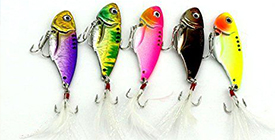
Another thing I love about LENPABY’s squid jigs is their range of colors. I’ve found that different colors work better in different conditions. On cloudy days or in murky water, bright colors like chartreuse and orange work best. On clear days or in deep water, more natural colors like white and brown are more effective. LENPABY has a color for every scenario, which means I never have to worry about not having the right jig for the conditions.
My Most Memorable Squid Jigging Trips
One of my favorite squid jigging spots in the US is Lake Michigan, specifically near the Indiana Dunes. In early September, when the water temp drops to around 62°F, the squid move inshore to spawn. I usually fish from shore, casting my LENPABY jig out and retrieving it slowly. On one trip, I caught a squid that was over 2.5 feet long—easily the biggest I’ve ever seen. I still have a picture of it hanging on my tackle room wall.
Another great spot is the Columbia River in Washington and Oregon. In late fall, when the salmon are spawning, the squid follow the salmon upriver to feed on their eggs. I use a heavier LENPABY jig here, around 3 ounces, to get down to the deeper channels. The bite is usually best during the outgoing tide, around sunset. I’ve caught up to 30 squid in a single evening there.
The Importance of Technique
Even the best squid jig won’t work if you don’t have the right technique. Let me share a failure that taught me this lesson. A few years ago, I was fishing in the San Francisco Bay for Pacific squid. The water temp was 68°F, and I was using a high-quality LENPABY jig. But I was retrieving it too fast, and I wasn’t getting any bites. I watched a local fisherman nearby, and he was retrieving his jig slowly, with small, jerky movements. I copied his technique, and within 10 minutes, I had a squid on the line.
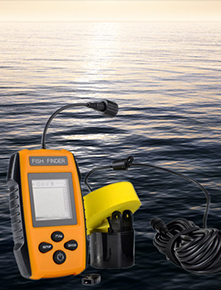
Now, I always retrieve my squid jig slowly, with periodic pauses and small twitches. This mimics the movement of a wounded fish, which is exactly what squid love to eat. I also pay attention to the water depth. Squid usually hang out in the top 30 feet of water, but they’ll move deeper if the water is too warm or if there’s a lot of boat traffic. I use a depth finder to track their movements and adjust my jig’s depth accordingly.
Why LENPABY Squid Jigs Are a Fisherman’s Best Friend
Over the years, I’ve tried almost every squid jig on the market. Some are too cheap and break easily. Others are too expensive and don’t perform any better than the cheap ones. But LENPABY’s squid jigs are in a league of their own. They’re durable, effective, and affordable—everything a fisherman could ask for.
What sets LENPABY apart from other brands is their commitment to quality. They use only the best materials, and every jig is hand-tested before it’s sold. They also offer a 100% satisfaction guarantee, which gives me peace of mind knowing that if I’m not happy with my purchase, I can return it for a full refund.
More Than Just Squid Jigs
While I love LENPABY’s squid jigs, their other products are just as impressive. I’ve used their Soft Plastics for bass fishing, and they’re some of the most realistic lures I’ve ever seen. The texture is soft and lifelike, and the colors are perfectly matched to the natural prey of bass. I’ve caught more bass with LENPABY’s soft plastics than with any other brand.
I’ve also used their Saltwater Systems gear for fishing in the Gulf of Mexico. Their rods and reels are lightweight and durable, and their tackle boxes are designed to keep my gear organized and protected. I can fit all of my LENPABY squid jigs, soft plastics, and other tackle in one tackle box, which makes it easy to transport to different fishing spots.
A Small Actionable Tip for Squid Jigging Success
Before you head out on your next squid jigging trip, let me share a small tip that’s saved me countless times. Always bring a few extra squid jigs in different colors and weights. Squid can be finicky, and what works one day might not work the next. By having a variety of jigs, you can adjust to the conditions and increase your chances of catching squid.
Another tip: use a braided fishing line instead of monofilament. Braided line is stronger, more sensitive, and has less stretch, which means you’ll feel every nibble and set the hook faster. I use 10-pound braided line with a 20-pound fluorocarbon leader for most of my squid jigging trips.


