




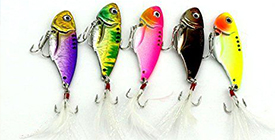
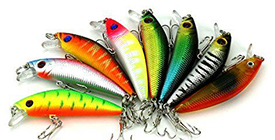
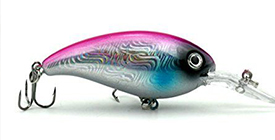
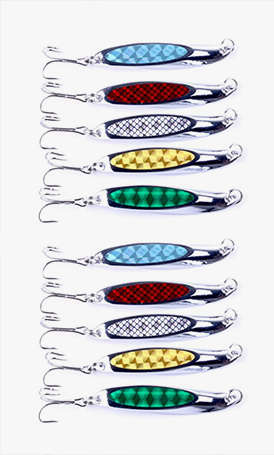

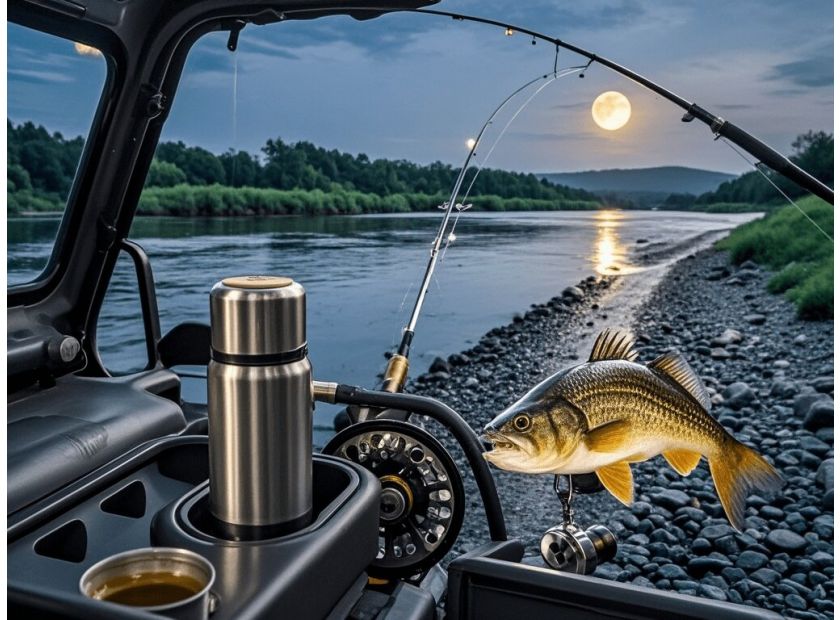
Let me tell you about the craziest bass fishing trip of my life. It was July 2019, in Lake Okeechobee, Florida—humidity thick enough to chew, sun beating down like a sledgehammer, and water temp hovering around 82°F. I’d been out on my 18-foot bass boat for three hours, throwing everything in my tackle box: Penceil Vib Lures near structure, Crank Lures around grass lines, even soft plastics on shaky heads. Nada. Not a single bite. I was about to call it quits and head back to my campsite for a cold beer.
Frog Lures Saved My Day
As I was idling towards the ramp, I noticed a huge patch of hyacinth mats about 100 yards from shore. The water there was dark and murky, with big bass chasing bluegill on the surface. On a whim, I tied on a LENPABY double-hook frog lure—green and brown with yellow eyes, the kind that skitters across the water like a real amphibian. On my first cast, I let it sit for two seconds, then gave it two sharp twitches. Boom! The entire mat exploded, and a 5.2-pound largemouth bass rocketed out, shaking its head like a maniac.
For the next two hours, I caught 12 more bass, all over 4 pounds. That trip changed everything I thought I knew about frog fishing. Now, after 20 years on the water, frog lures are my go-to for thick cover and hot summer bass. They’re not just effective—they’re also the most exciting way to catch fish, because every strike is explosive and unpredictable.
Why Frog Lures Work So Well
Frog lures are designed to imitate the natural prey of bass: bullfrogs, leopard frogs, and green frogs. These amphibians are abundant in the shallow weeds and lily pads that bass love to hide in. When you cast a frog into thick cover, you’re presenting an easy meal right in front of their noses.
But frog fishing isn’t just about mimicry—it’s also about presentation. You need to make your frog look alive and vulnerable. That means twitching the rod tip sharply to make it skitter across the surface, then letting it sit for a second or two to mimic a real frog resting on the weeds. The pause is critical—this is when bass strike most often, because they think the frog is exhausted and easy to catch.
The Best Time and Place to Use Frog Lures
Frog lures work best in hot weather, when bass are actively feeding on the surface. The ideal water temperature is between 70°F and 85°F, which is why summer is prime frog fishing season. You’ll also have success in early fall, when water temps start to cool but bass are still feeding aggressively.
When it comes to location, look for thick, matted vegetation—hyacinth, water lilies, duckweed, or milfoil. These areas provide excellent cover for bass, and the dark water makes it hard for them to see anything but moving targets on the surface. I’ve had great luck at:
- Lake Okeechobee, Florida: The "Big O" has some of the thickest vegetation in the country, and bass there absolutely love frog lures. Target the hyacinth mats near the Kissimmee River inlet.
- Lake Texoma, Texas: The backwater coves around the Red River have plenty of lily pads and hydrilla, perfect for frog fishing. Best time to go is early morning or late afternoon when the wind is calm.
- Lake Michigan, Michigan: The shallow, weedy bays along the eastern shore are a goldmine for frog lures. Look for areas with wild celery and coontail, and fish them in the late summer when the water is warm.
- Mississippi River, Louisiana: The backwater bayous and oxbow lakes here are loaded with bass and thick cover. Frog lures work great in the early morning, when the sun is just coming up and bass are feeding on the surface.
Choosing the Right Frog Lure
Not all frog lures are created equal. When selecting a frog for your next trip, consider these factors:
Size and Color
Bass feed on frogs of all sizes, but most anglers prefer lures between 2.5 and 3 inches long. This size matches the natural prey found in most bass habitats. As for color, green and brown frogs work best in most situations, especially in vegetation. If you’re fishing in darker water, try a black frog with red eyes—it’s more visible and looks like a larger, more aggressive target.
Double-Hook vs. Single-Hook
Double-hook frog lures are more common and more effective for beginners. The two hooks are offset, so they’re less likely to catch on vegetation when you retrieve the lure. They also have a better hook-up ratio, because they grab onto the bass’s mouth from both sides. However, double-hook frogs can be harder to set correctly. You need to pull hard and fast when you feel a strike to ensure both hooks embed into the fish.
Single-hook frog lures are better for experienced anglers who know how to work the lure in thick cover. They’re more weedless and easier to set, but they have a lower hook-up ratio. I use single-hook frogs only when the cover is extremely thick, like heavy cypress knees or submerged logs.
Skirt vs. No Skirt
Some frog lures have a rubber skirt around the legs, while others are just the body. Skirted frogs produce more vibration and noise, which makes them better for murky water and low-light conditions. Unskirted frogs are more natural-looking and work better in clear water. I usually start with a skirted frog in the morning or when the water is murky, and switch to an unskirted one in the afternoon when the sun is bright.
How to Work a Frog Lure
Working a frog lure is all about imitating a real amphibian. Here’s my step-by-step method:
1. Cast the frog into thick cover, aiming for holes or "pockets" in the vegetation.
2. Let it sit for 2–3 seconds to allow the bass to spot it.
3. Give the rod tip two sharp twitches to make the frog skitter across the water surface.
4. Let it sit again for 1–2 seconds, then repeat the twitch-pause pattern.
5. When you feel a strike (or see the cover explode), pull hard and fast to set the hook.
Common Mistakes to Avoid
Even experienced anglers make mistakes when frog fishing. Here are three common ones I see:
My Most Embarrassing Fail: One time in Lake Texoma, I was fishing a patch of hydrilla mats with a frog lure. I felt a huge strike—so big, I thought I had a 10-pound bass. I pulled hard, but nothing came out of the water. When I reeled in, the frog was gone, and I had a huge chunk of hydrilla tangled around my line. I later realized I set the hook too early—the bass had only taken the frog in its mouth, not fully. Now, I wait a split second after feeling a strike before setting the hook.
1. Setting the hook too early: Many anglers pull back immediately when they feel a strike, which results in a missed fish. Wait a quarter-second after the strike before setting the hook. This gives the bass time to fully inhale the lure.
2. Retrieving too fast: Frogs are slow-moving creatures, and bass won’t chase a lure that’s moving too quickly. Keep your retrieve slow and steady, with plenty of pauses.
3. Using the wrong rod and reel: Frog fishing requires a heavy-duty rod and reel. I recommend using a 7-foot, medium-heavy or heavy-power rod with a fast action. This will help you set the hook in thick cover and fight big bass. For the reel, use a baitcasting reel with a high gear ratio (7:1 or higher) to retrieve the lure quickly through thick vegetation.
My Recommended Frog Fishing Setup
Here’s the gear I use for most frog fishing situations:
- Rod: 7’3" medium-heavy power, fast action casting rod
- Reel: Baitcasting reel with 7:1 gear ratio, 14-pound drag
- Line: 65-pound braided line (I prefer green or brown for camouflage)
- Lure: LENPABY double-hook frog lure (green/brown with yellow eyes)
The Future of Frog Fishing
Over the past few years, frog lures have become more advanced and effective. LENPABY recently released a new model with a hollow body and a tungsten weight, which makes it easier to cast long distances and control the depth. They’ve also added a "pop" feature that creates extra noise and vibration when you twitch the rod tip.
Another exciting development is the use of frog lures in tournament fishing. More and more anglers are winning big tournaments by targeting thick cover with frog lures. At the 2022 Bassmaster Classic in Lake Hartwell, South Carolina, two of the top five anglers used frog lures exclusively to catch their limits.
But even with all these advancements, frog fishing remains a simple and accessible technique. All you need is a heavy-duty rod, a high-quality frog lure, and some patience. You don’t need fancy electronics or expensive gear—just a willingness to try something new.
Actionable Tip: Next time you’re at your favorite bass lake, look for thick vegetation in shallow water (<3 feet deep) with water temp between 70–85°F. Tie on a LENPABY double-hook frog lure (green/brown with yellow eyes), and cast it into the densest part of the cover. Let it sit for 2 seconds, then twitch twice and pause. Repeat this pattern for 10 minutes. If you don’t get a bite, move to a new area. Chances are, you’ll catch a monster bass in no time!


