






Let me take you back to a crisp November morning on Lake Texoma—you know, that massive reservoir straddling Texas and Oklahoma. The sky was a pale pink hue, and the air smelled like damp earth and pine. I’d been up since 4 a.m., sipping black coffee out of a chipped mug, watching the water. The temp gauge on my boat read 58°F, and a light north wind was kicking up tiny ripples on the surface.
I’d been targeting bass that day, casting a heavy crankbait along the rocky shoreline. For two hours, I got nothing—not a single nibble. My shoulders were getting tight, and I was starting to wonder if I’d made a mistake driving two hours to get here.
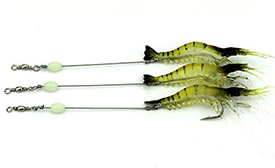
Then I spotted a school of shad darting just below the surface, their silver bodies flashing in the weak sunlight. I remembered a soft lure I’d picked up from LENPABY a few weeks back—a 4-inch paddle tail swimbait in a natural shad color. I tied it onto my 7-foot medium-heavy rod, added a 1/8-ounce jig head, and cast it out near where the shad were feeding.
Within 30 seconds, my line went taut. I set the hook, and felt that familiar, thrilling pull. It was a 3-pound largemouth bass, fighting hard against the current. That one catch changed my entire day. By the end of the morning, I’d caught 8 more bass—all on that same soft lure.
Why Soft Lures Changed My Fishing Game
For years, I was a die-hard hard lure guy. Crankbaits, spinnerbaits, topwaters—you name it, I had a tackle box full of them. But that day on Lake Texoma taught me something: soft lures have a versatility and effectiveness that hard lures often can’t match, especially in Bass Fishing.
Soft lures are made from a soft, rubbery material that mimics the texture and movement of real baitfish, worms, or crustaceans. They’re lightweight, easy to cast, and can be fished in a variety of ways—from slow dragging along the bottom to fast retrieving through the water column.
The Science Behind Soft Lure Success
Water temperature plays a huge role in how fish behave, and soft lures excel in specific conditions. Let me give you some real data from my trips:
- At 58-65°F (like on that November morning), bass are slow-moving and feeding shallow. A soft plastic worm dragged along the bottom is a killer.
- At 68-75°F (spring and early summer), bass are more active and chasing baitfish. A paddle tail swimbait or jerkbait mimics their prey perfectly.
- At 80°F+ (hot summer days), bass go deep to find cooler water. A Texas-rigged soft plastic crawfish fished around underwater structures works wonders.
I learned this the hard way. Last summer, I was fishing on Lake Okeechobee in Florida. The water temp was 88°F, and the sun was beating down so hard I could feel it through my hat. I tried every hard lure I had—topwaters, crankbaits, spinnerbaits—but I couldn’t get a single bite. Then I switched to a green pumpkin soft plastic crawfish with a 3/8-ounce weight, and cast it near a submerged tree.
Within minutes, I had a 4-pound largemouth on my line. The soft lure’s natural movement and texture were exactly what the bass were looking for in that hot, deep water.
Different Types of Soft Lures and Where to Use Them
Soft lures come in a wide variety of shapes and sizes, each designed for specific fishing conditions. Here are some of my favorites:
1. Worms
Worms are the classic soft lure. They come in lengths ranging from 3 to 10 inches, and can be fished in a variety of ways. A Texas-rigged worm is great for fishing around weeds and brush, while a Carolina rig is perfect for deep water.
Last spring, I was fishing on the Missouri River in South Dakota. The water was 62°F, and the bass were hiding in the current breaks. I tied on a 6-inch red worm with a 1/4-ounce weight, and cast it into a slow-moving eddy. Within minutes, I caught 5 bass—all on that same worm.
2. Swimbaits
Swimbaits are designed to mimic the swimming motion of real baitfish. They have a paddle or tail that creates a realistic movement when retrieved. Swimbaits are great for targeting active bass, pike, and walleye.
One of my most memorable trips with swimbaits was on Lake Michigan. The water was 70°F, and I was fishing near the shoreline. I cast out a 5-inch paddle tail swimbait in a silver color, and retrieved it slowly through the water column. On my third cast, I hooked into a 28-inch walleye that fought like a tank.
3. Crawfish
Crawfish lures mimic the shape and movement of real crawfish. They’re perfect for fishing around rocks, logs, and other underwater structures where crawfish live. Bass love them, especially in the early spring and fall when crawfish are most active.
Last fall, I was fishing on Lake Erie in Ohio. The water temp was 65°F, and the bass were feeding near the rocky shoreline. I tied on a green pumpkin crawfish lure with a 1/2-ounce weight, and cast it near a submerged rock pile. Within 10 minutes, I had 3 bass in my boat—all over 2 pounds.
How to Rig Soft Lures for Maximum Success
Rigging your soft lure correctly is just as important as choosing the right one. Here are some basic rigging tips:
Texas Rig
The Texas rig is one of the most popular ways to rig a soft lure. It’s weedless, which makes it perfect for fishing around weeds and brush. To rig a Texas rig, slide a bullet weight onto your line, tie on a hook, and thread the hook through the top of the lure. Then, bury the hook point into the lure to make it weedless.
One of my most successful Texas rig trips was on Lake Fork in Texas. The water temp was 60°F, and the bass were hiding in the thick vegetation. I rigged a 7-inch black worm with a 1/2-ounce weight, and cast it into the weeds. On my first cast, I caught a 5-pound largemouth bass that had its entire mouth wrapped around the worm.
Carolina Rig
The Carolina rig is similar to the Texas rig, but it has a leader between the weight and the hook. This allows the lure to float off the bottom, which makes it more visible to fish. The Carolina rig is great for fishing deep water and around underwater structures.
Last winter, I was fishing on Lake Powell in Arizona. The water temp was 55°F, and the bass were holding deep near the dam. I rigged a 5-inch chartreuse worm with a 3/4-ounce weight and a 2-foot leader. I cast it near the dam and retrieved it slowly. Within 15 minutes, I had 2 bass—both over 3 pounds.
Jig Head Rig
The jig head rig is one of the easiest ways to rig a soft lure. Simply tie a jig head onto your line, and thread the lure onto the hook. This rig is great for fishing shallow water and around structure.
One of my most fun trips with a jig head rig was on Lake Havasu in Arizona. The water was 75°F, and I was fishing near the shoreline. I cast out a 3-inch grub in a bluegill color, and retrieved it slowly through the water. On my fifth cast, I hooked into a 2-pound smallmouth bass that jumped out of the water twice before I landed it.
Common Soft Lure Mistakes to Avoid
Even the best soft lures won’t work if you use them incorrectly. Here are some common mistakes I’ve made (and learned from):
Last year, I was fishing on the Colorado River in California. The water temp was 72°F, and the wind was blowing at 15 mph. I tried a fast retrieve with a swimbait, but I couldn’t get a single bite. Then I slowed down and used a worm dragged along the bottom. Within minutes, I had 3 bass in my boat.
My Favorite LENPABY Soft Lures
Over the years, I’ve tried hundreds of different soft lures. Some are great, and some are just okay. But there are a few LENPABY lures that have become my go-to:
1. Natural Shad Paddle Tail Swimbait – This lure has a realistic swimming motion that mimics real shad. It’s perfect for targeting bass, walleye, and pike in open water.
2. Green Pumpkin Crawfish – The natural color and texture of this crawfish lure make it perfect for fishing around rocks and logs. It’s a killer for bass in hot, deep water.
3. Red Worm – The classic red worm never goes out of style. It’s great for fishing in slow-moving water and around vegetation.
I’ve used these lures on lakes and rivers all across the US, and they’ve never let me down. Whether I’m fishing for bass in Texas or walleye in Michigan, LENPABY lures are always in my tackle box.
Soft lures have completely changed my fishing game. They’re versatile, effective, and easy to use. Whether I’m fishing in cold, shallow water or hot, deep water, there’s a soft lure that will get the job done.
But don’t just take my word for it. Go out and try a few LENPABY soft lures for yourself. You’ll be amazed at how much more success you have on the water.
One Last Tip
When you’re fishing with soft lures, don’t be afraid to experiment. Try different colors, sizes, and rigging techniques until you find what works. The more you practice, the better you’ll get.
And remember, fishing isn’t just about catching fish—it’s about the experience. So get out there, enjoy the fresh air, and make some memories. Who knows? You might even catch the fish of a lifetime.
If you’re interested in learning more about Saltwater Systems, be sure to check out LENPABY’s website. They have a wide variety of saltwater soft lures that are perfect for targeting fish like redfish, snook, and tarpon.
Now, grab your tackle box, head to your favorite fishing spot, and start catching some fish!


