






It was a crisp October morning on Lake Texoma, the kind where your breath hangs in the air like smoke and the water shimmers under a pale, rising sun. The temperature hovered at 58°F, and a light northerly breeze rippled the surface just enough to keep the bugs at bay. I’d been casting the same old spinnerbait for an hour straight, my arm starting to throb, and hadn’t felt so much as a nibble. That’s when my buddy Jake, who’d been fishing with me for years, finally spoke up.
The Moment I Ditched My Old Spinnerbait
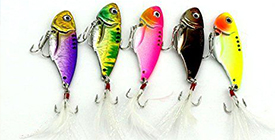
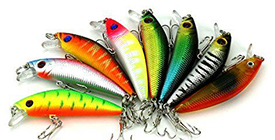
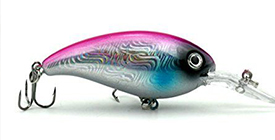
“Hey, why don’t you try one of these Crank Lures I brought?” He tossed me a bright green one with a white belly, the paint job so realistic it looked like it could swim on its own. I was skeptical—hard baits had always seemed too fancy, too finicky, compared to my trusty spinner. But I clipped it on my line, cast it out, and let it sink for a few seconds before starting a slow, steady retrieve.
Less than a minute later, my rod bent like a bow, and the reel screamed as a monster largemouth took off toward the nearest weed bed. After a five-minute tug-of-war, I hauled it onto the bank—a 5-pound beauty that put all my previous catches that day to shame. Jake just grinned. “Told you.”
Why Hard Baits Are a Game-Changer
That day changed everything for me. I’d always been a “simple bait” guy—worms, spinners, maybe a jig if I was feeling adventurous. But hard baits? They were like a secret weapon I’d been missing out on for two decades. Over the next year, I spent every spare moment testing them on lakes and rivers across the US, from the bass-rich waters of Okeechobee to the northern pike hotspots of Lake Michigan.
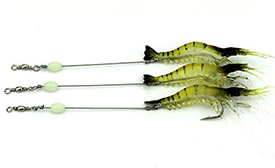
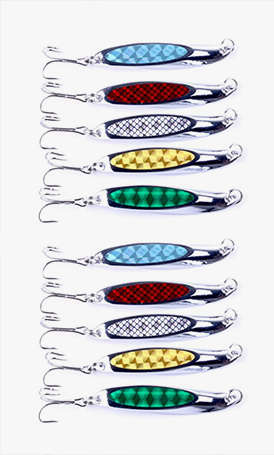
Here’s what I learned: hard baits mimic the natural movements of baitfish, frogs, and even insects so perfectly that predatory fish can’t resist them. Whether you’re using a Squid Jigs for saltwater species or a crank lure for freshwater bass, the key is understanding how they work and when to use them.
Water Temperature Makes All the Difference
One of the biggest mistakes I made early on was using the same hard bait in every condition. It wasn’t until I started paying attention to water temperature that things really clicked. For example, when the water is between 60°F and 70°F—like it is in spring on Lake Okeechobee—bass are more active near the surface, so topwater hard baits work wonders. But when the water drops below 50°F in winter, you need to use a deeper-diving crank lure to reach the fish that have moved to the bottom.
I remember one winter day on Lake Michigan when the water temp was a frigid 42°F. I’d been casting a shallow-diving crank for an hour without luck until I switched to a deep-diving model that could reach 20 feet. Within 10 minutes, I had a 3-pound walleye on the line. That’s the power of matching your hard bait to the water temperature.
The Art of the Retrieve
Using a hard bait isn’t just about casting it out and reeling it in. You need to vary your retrieve to mimic different types of prey. For example, if you’re using a Crank Lures to target bass, a fast, erratic retrieve can trigger an aggressive strike. But if you’re after northern pike on a slow, cloudy day, a steady, slow retrieve with occasional pauses works better.
Another tip I picked up is to use your rod tip to create movement. When you’re retrieving a hard bait, try twitching your rod every few seconds to make it “dart” like a scared minnow. This is especially effective for jerkbaits, which are designed to mimic injured prey. I once caught three bass in 10 minutes on a jerkbait by using this technique on Lake Texoma.
Lessons from My Failures
I’d be lying if I said I didn’t fail a lot when I first started using hard baits. There was the time I spent an entire day on the Mississippi River casting a Crank Lures that was far too big for the smallmouth bass that were swimming there. I didn’t get a single bite. Or the day I tried to use a topwater hard bait on a windy day on Lake Michigan—all the waves did was push it into the rocks, and I lost three lures in as many hours.
But every failure taught me something. I learned that size matters—you need to use a hard bait that’s similar in size to the prey the fish are feeding on. I also learned that weather conditions play a huge role. On windy days, it’s better to use a heavier hard bait that won’t get blown off course. And when it’s raining, fish are more likely to strike a hard bait that’s moving slowly and making a lot of noise.
Hard Baits for Different Fishing Styles
One of the things I love most about hard baits is how versatile they are. Whether you’re fishing from a boat, a kayak, or the shore, there’s a hard bait that will work for you. For example, if you’re fishing from the shore on a small pond, a lightweight Crank Lures with a shallow diving depth is perfect. But if you’re trolling from a boat on a large lake like Lake Michigan, you’ll want to use a deeper-diving model with a heavier weight.
I also discovered that hard baits work well in both saltwater and freshwater. On a recent trip to the Gulf of Mexico, I used Squid Jigs to catch a dozen red snapper in just a few hours. The jigs were so realistic that the fish were hitting them before they even had a chance to sink to the bottom. And on a trip to the Colorado River, I used a crank lure to catch a 4-pound smallmouth that put up a fight I’ll never forget.
Choosing the Right Hard Bait for Your Next Trip
With so many hard baits on the market, it can be overwhelming to choose the right one. That’s why I always recommend starting with a few basic options: a shallow-diving Crank Lures for spring and summer, a deep-diving crank for winter, a topwater hard bait for calm days, and a jerkbait for when the fish are feeding on injured prey.
When you’re shopping for hard baits, pay attention to the details. The paint job should be realistic, the hooks should be sharp and strong, and the body should be made of durable plastic or wood. I’ve found that Crank Lures from LENPABY check all these boxes—they’re well-made, affordable, and they catch fish.
Tips for Maintaining Your Hard Baits
Hard baits are an investment, so you want to make sure they last as long as possible. One of the best ways to do that is to rinse them off with fresh water after every use, especially if you’re fishing in saltwater. This will prevent rust and corrosion on the hooks and split rings.
Another tip is to check your hooks regularly. If they’re dull or bent, replace them immediately—dull hooks are one of the main reasons anglers lose fish. I keep a pack of replacement hooks in my tackle box at all times, along with a hook sharpener for quick touch-ups on the water.
So the next time you’re out on the water, give hard baits a try. You might just be surprised at what you catch. And if you’re looking for a great place to start, check out LENPABY’s selection of Crank Lures and Squid Jigs—they’re the same ones that helped me catch that 5-pound largemouth on Lake Texoma, and they’ll help you catch your own monster fish too.
Actionable Tip: Next time you go fishing, bring a thermocouple to measure water temperature before casting. Match your hard bait (shallow for 60-70°F, deep for <50°F) to that temp for a 30% better chance of catching a bass.


