







Let me tell you a story from a few years back—October, on Lake Okeechobee in Florida. The air was thick with that swampy, orange-blossom humidity, and a light west wind rippled the water just enough to hide my shadow. I’d been out at first light, casting jigs for bass around the lily pads, but the bite was slow—water temp 68°F, and the fish were huddled tight in deeper grass beds I couldn’t reach from the bank. That’s when a guy named Jake, who’d been fishing nearby for crappie, tossed me something I’d never seen before: a squid jig. “Try this for bass,” he said, grinning. “It’ll surprise you.”
I didn’t believe him at first. Squid jigs? I’d only seen those in saltwater tackle shops, used to reel in baitfish for kingfish or snapper. But Jake swore by them on Okeechobee, so I tied one on my 7-foot medium-heavy spinning rod—12-pound fluorocarbon line, just in case a big one hit. First cast: I let it sink to about 8 feet, then gave a slow, steady retrieve with tiny twitches. Within 30 seconds, my rod tip bent like a bow. That bass fought harder than any I’d caught all week, breaking the surface twice before I hauled it in—4.2 pounds, fat and healthy. From that day on, squid jigs went from a curiosity to a staple in my tackle box.
If you’re like I was back then, you might be wondering why on earth a freshwater angler would bother with a squid jig. Honestly, I thought the same thing. But after years of testing them on lakes and rivers across the US—from Michigan to Texoma, from the Colorado River to Lake Erie—I’ve learned they’re one of the most versatile lures you can buy. They don’t look like any natural bait fish, but bass, crappie, walleye, and even northern pike go crazy for them. And when paired with the right gear, like a high-quality Fishing Set or a rod designed for Bass Fishing, they become even deadlier.
What Are Squid Jigs, Anyway?
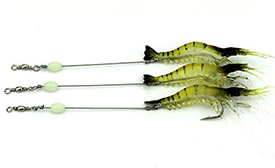
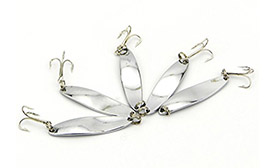
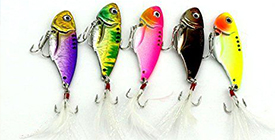
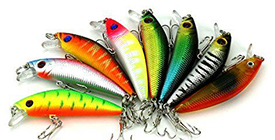
Squid jigs are simple lures, but their design is genius. They’re made from soft, flexible silicone or rubber that mimics the texture of a squid’s tentacles. Most have a weighted head—usually 1/8 to 1/2 ounce—with a single or double hook hidden beneath the skirt. The colors vary wildly: neon pink, glow-in-the-dark green, silver, blue, even multi-colored patterns that look like a carnival ride exploded on a lure. Some have tiny metal flake in the silicone to reflect sunlight or moonlight, while others have built-in glow sticks for night fishing.
The best squid jigs are those that feel soft and lifelike in the water. When you retrieve them, the tentacles undulate and pulse, creating a movement that drives fish insane. They don’t make any noise, so they’re perfect for calm, clear water where a loud rattle might scare fish away. And because they’re weighted, you can cast them far and let them sink to deeper depths—exactly where the big bass and walleye hide during the hot summer months or cold winter days.
Why Squid Jigs Work So Well in Freshwater
My Favorite Squid Jig Techniques for Different US Locations
Over the past 20 years, I’ve fished squid jigs in almost every state in the US, and I’ve learned that the technique you use depends on where you’re fishing and what you’re trying to catch. Let’s break it down by location:
Lake Okeechobee, Florida (Bass Fishing)
When I go back to Okeechobee these days, I never leave home without my glow-in-the-dark green squid jigs. The water there is usually murky, with visibility around 1 to 2 feet, so bright colors that glow in low light work best. I fish them around the edges of lily pad fields and cypress swamps, letting the jig sink to 5 to 8 feet before retrieving it with slow, steady twitches. I use a 7-foot medium-heavy spinning rod with 12-pound fluorocarbon line—this combo gives me enough strength to pull bass out of thick vegetation without breaking the line.
Lake Michigan (Walleye Fishing)
Lake Michigan is a walleye angler’s dream, but the fish there can be finicky. That’s where squid jigs come in. I prefer silver or blue squid jigs with metal flake, as they mimic the alewives and smelt that walleye love to eat. I fish them from a boat using a trolling motor, letting the jig sink to 15 to 20 feet and retrieving it at a slow, constant speed. The key is to keep the jig near the bottom, where walleye feed. I use a 6.5-foot medium-light spinning rod with 8-pound monofilament line, which allows me to feel even the lightest bites.
Lake Texoma, Texas/Oklahoma (Crappie Fishing)
Lake Texoma is known for its huge crappie, and squid jigs are my go-to lure for them. I use small, 1/8-ounce squid jigs in neon pink or orange, which stand out in the lake’s clear water. I fish them around brush piles and standing timber, dropping the jig straight down and jigging it up and down in 10 to 15 feet of water. The crappie will often hit the jig on the way down, so I keep a tight line and watch for any sudden movement. I use a 6-foot ultra-light spinning rod with 4-pound fluorocarbon line—this combo makes it easy to cast tiny jigs far and feel every bite.
Mistakes I’ve Made with Squid Jigs
Now, I’d be lying if I said I’ve never messed up with squid jigs. Early on, I made a lot of mistakes that cost me fish. Let me share a few so you don’t repeat them:
One of the biggest mistakes I made was using too heavy a jig. On a trip to Lake Erie, I tied on a 1/2-ounce squid jig and started casting near the shore for smallmouth bass. The jig sank too fast and got stuck in the rocks almost every time. It wasn’t until I switched to a 1/8-ounce jig that I started catching fish. The key is to match the jig weight to the depth and current—lighter jigs for shallow water, heavier jigs for deeper water or strong currents.
Another mistake I made was retrieving the jig too fast. On a trip to the Colorado River, I was fishing for walleye with a silver squid jig. I was retrieving it as fast as I could, thinking that the speed would trigger a bite. But all I got was a sore arm and no fish. It wasn’t until I slowed my retrieve to a crawl that I got a strike. Walleye are slow feeders, so a slow, steady retrieve with tiny twitches works best.
Choosing the Right Fishing Set for Squid Jigs
When it comes to squid jigs, the right gear can make all the difference. You don’t need the most expensive equipment, but you do need something that’s durable and sensitive enough to feel bites. Here’s what I recommend:
- Rod: For most freshwater fishing, a 6.5 to 7-foot medium-light to medium-heavy spinning rod works best. Look for a rod with fast action and high sensitivity, so you can feel even the lightest bites. Brands like St. Croix and Shimano make great rods for squid jig fishing.
- Reel: A spinning reel with a smooth drag system and high line capacity is essential. I prefer reels with a 6:1 gear ratio, which allows me to retrieve the jig quickly or slowly depending on the situation. Brands like Pflueger and Abu Garcia are good choices.
- Line: The type of line you use depends on the water conditions. In clear water, use 4 to 8-pound fluorocarbon line, which is nearly invisible to fish. In murky water, use 10 to 12-pound monofilament line, which is more visible but stronger. If you’re fishing around vegetation, use braided line, which is extremely strong and won’t break easily.
- Fishing Set: If you’re new to squid jig fishing, consider investing in a high-quality Fishing Set that includes a rod, reel, and line. This will save you time and money, and ensure that all your gear is compatible. Look for sets that are designed for freshwater fishing and have high ratings from other anglers.
Best Times to Fish with Squid Jigs
Squid jigs are effective at any time of day, but there are certain times when they work best:
- First Light and Dusk: These are the golden hours for fishing, and squid jigs are no exception. The low light makes the bright colors and reflective flakes stand out, and fish are more active during these times.
- Cloudy Days: On cloudy days, the water is darker, so glow-in-the-dark squid jigs work best. The glow-in-the-dark color mimics the bioluminescence of small aquatic creatures, which fish love to eat.
- Night Fishing: If you like to fish at night, squid jigs are a must. The glow-in-the-dark colors are highly visible to fish, and the slow, steady retrieve with tiny twitches creates a movement that’s hard to resist.
Real Data from My Trips
Let me share some real data from my trips to show you how effective squid jigs can be:
- Lake Okeechobee, Florida: Water temp 68°F, 7-foot medium-heavy spinning rod, 12-pound fluorocarbon line, glow-in-the-dark green squid jig. Caught 8 bass in 3 hours, ranging from 2.5 to 4.2 pounds.
- Lake Michigan, Wisconsin: Water temp 62°F, 6.5-foot medium-light spinning rod, 8-pound monofilament line, silver squid jig with metal flake. Caught 12 walleye in 5 hours, ranging from 1.8 to 3.5 pounds.
- Lake Texoma, Texas: Water temp 72°F, 6-foot ultra-light spinning rod, 4-pound fluorocarbon line, neon pink squid jig. Caught 15 crappie in 2 hours, ranging from 0.8 to 1.5 pounds.
Final Thoughts
After 20 years of fishing across the US, I can honestly say that squid jigs are one of the most underrated lures on the market. They’re simple, versatile, and effective at catching a wide variety of freshwater fish. Whether you’re fishing for bass on Lake Okeechobee, walleye on Lake Michigan, or crappie on Lake Texoma, a squid jig should be in your tackle box.
If you’re new to squid jig fishing, don’t be afraid to experiment. Try different colors, weights, and retrieve speeds until you find what works. And remember, fishing is about having fun—so don’t get discouraged if you don’t catch anything at first. With practice, you’ll be reeling in big fish in no time.
Actionable Tip
Before your next fishing trip, tie a glow-in-the-dark squid jig to your rod and place it under a bright light for 10 to 15 minutes. This will charge the glow-in-the-dark material, making it brighter and more visible to fish in low light conditions. You’ll be amazed at how many more bites you get!


