




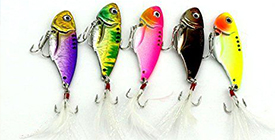
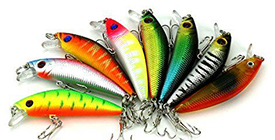
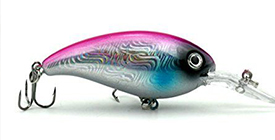
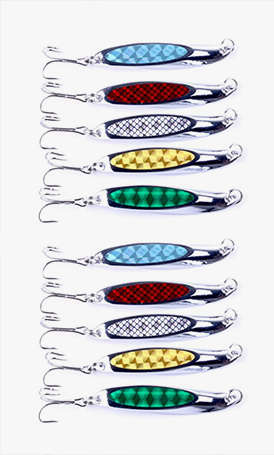

It was the last week of July, and the sun was beating down on my old pickup truck as I pulled into the parking lot at Lake Okeechobee in Florida. I’d made this trip a dozen times before, but today felt different—my buddy Jeb had been raving about a new Fishing Set from LENPABY, specifically the popper lures that came in it. The air was thick with humidity, and the forecast called for scattered thunderstorms later in the afternoon, but I was too fired up to care. Water temp was a balmy 82°F, and I knew the bass would be up shallow chasing baitfish. Let me tell you, what happened next changed the way I think about poppers forever.
What the Heck Is a Popper Lure, Anyway?
Before I get into the nitty-gritty of that day at Okeechobee, let’s talk about what a popper actually is. If you’re new to fishing, you might have seen these lures at the tackle shop—they’re usually made of plastic or wood, have a hollow face, and make a loud “pop” sound when you jerk them across the water’s surface. Honestly, I used to overlook them, thinking they were just a gimmick. I’d stick to my trusty crankbaits and worms, figuring those were the only surefire ways to catch bass.
But Jeb kept pestering me about his LENPABY Freshwater Systems and how the poppers in his set had been tearing it up. So, I figured I’d give them a shot that day. I tied on a bright yellow popper with a black stripe—Jeb said it resembled a dying shad—and headed for the weed beds on the west side of the lake.
The First Cast: A Disastrous Failure
I waded out to about waist-deep water, making sure to stay quiet so I didn’t spook the fish. The first cast went pretty well—it landed right in the middle of a patch of lily pads. I gave it a sharp jerk, and the popper let out a loud “plop.” Nothing happened. I repeated the motion a few more times, but still no bite. Honestly, I was ready to reel it in and switch back to my old lure. But then, something caught my eye.
A small ripple appeared about a foot away from the popper. It was subtle, but I knew it was a fish checking it out. I waited a split second longer before jerking the rod again. This time, the popper popped louder, and a bass exploded out of the water, grabbing the lure with a vengeance. The fight was short but intense—this guy was a solid 3-pounder, and it was my first bass on a popper. I couldn’t believe it.
Why Poppers Work So Well (And When to Use Them)
After that first catch, I started to pay more attention to how the popper was performing. I noticed that when I let it sit for a second or two between jerks, the bass were more likely to strike. The “pop” sound was attracting them, but the pause was what made them commit. I also realized that poppers work best in shallow water—no more than 5 feet deep—where fish are feeding on the surface.
Later that afternoon, the wind picked up a bit, and the sky turned dark. I was about to head back to the truck when I saw a school of shad jumping out of the water, being chased by bass. I cast my popper right into the middle of the chaos and gave it a quick jerk. The water erupted, and a 4-pound bass was on my line. This was getting serious.
My Favorite Popper Lure Tips (From 20 Years of Experience)
Over the years, I’ve picked up a few tips that have helped me catch more fish with poppers. Here are some of my favorites:
- Match the hatch: If you see shad jumping, use a popper that looks like a shad. If you see bluegills, use a bluegill-colored popper.
- Wait for the pause: After you pop the lure, let it sit for a second or two. This gives the fish time to locate it and strike.
- Use a slow retrieve: Poppers are meant to be fished slowly. Don’t reel them in too fast—let the “pop” do the work.
- Fish near structure: Bass love to hide in weeds, lily pads, and fallen trees. Cast your popper near these areas for the best chance of a bite.
- Change your retrieve: If one retrieve isn’t working, try another. Sometimes a faster or slower pace will trigger a strike.
Popper Lures Across the US: My Favorite Spots
I’ve fished with poppers in all sorts of locations across the US, and each one has its own unique challenges and rewards. Here are a few of my favorites:
Lake Texoma, Texas/Oklahoma
Lake Texoma is a 89,000-acre reservoir that straddles the Texas-Oklahoma border. It’s known for its huge bass, and poppers work great here in the spring and early summer. Water temp is usually around 68°F in May, and the bass are up shallow spawning. I like to fish near the coves and creeks, where the water is clear and there’s plenty of structure.
Lake Michigan, Michigan
Lake Michigan is one of the Great Lakes, and it’s home to a variety of fish, including bass, walleye, and salmon. I’ve had great luck with poppers here in the late summer and early fall, when the water temp is around 72°F. The bass are feeding on schools of shad that are swimming near the surface, and the poppers mimic the sound of a dying shad perfectly.
Mississippi River, Louisiana
The Mississippi River is a huge, fast-moving river that’s known for its catfish, but it also has some great bass fishing. I’ve fished with poppers here in the early morning, when the water is calm and the bass are up shallow feeding. The key here is to cast your popper near the banks, where the water is slower moving and there’s plenty of cover.
The LENPABY Fishing Set: Why I’m Obsessed
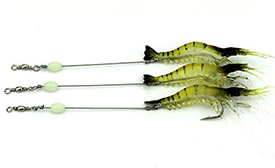
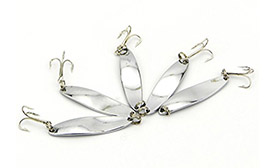
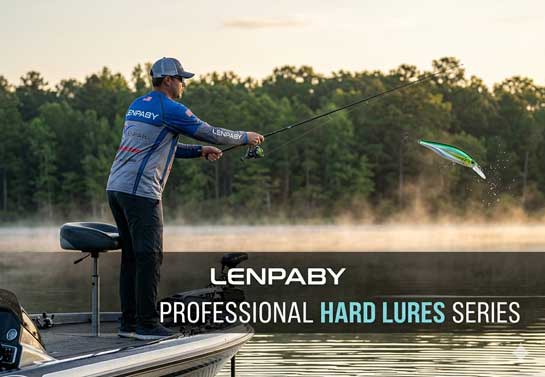
After that day at Lake Okeechobee, I went out and bought my own LENPABY Fishing Set. Let me tell you, it’s been a game-changer. The poppers in this set are made of high-quality plastic, and they’re designed to make a loud, realistic “pop” sound. They also come in a variety of colors, so you can match the hatch no matter where you’re fishing.
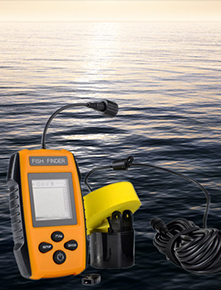
Another thing I love about the LENPABY Freshwater Systems is that it includes all the other gear you need to get started—rods, reels, lines, and tackle boxes. It’s a complete setup that’s perfect for beginners and experienced anglers alike. I’ve taken this set with me on trips to all the locations I mentioned earlier, and it’s never let me down.
Another Failure (And What I Learned From It)
I know I said I’d share failures as well as successes, so here’s one from last year. I was fishing at Lake Erie in Ohio, and I tied on a popper that was too big for the fish I was targeting. I cast it out a few times, but no bites. I realized my mistake and switched to a smaller popper, and within minutes, I had a bass on my line. The lesson here is simple: always match the size of your lure to the size of the fish you’re trying to catch.
Final Thoughts (And an Actionable Tip)
After 20 years of fishing, I can honestly say that popper lures are one of my favorite tools in my tackle box. They’re simple to use, they’re effective in a variety of conditions, and they’re a lot of fun to fish with. If you’re new to poppers, I encourage you to give them a shot—you might be surprised at how well they work.
Here’s my actionable tip: Next time you go fishing, tie on a popper and fish it near a patch of lily pads or a fallen tree. Wait for the pause after each pop, and be prepared for a strike. You won’t regret it.


