





The Day I Almost Quit – And Pencil Vibs Saved My Texas Pride
Let me tell you, last October on Lake Texoma, I thought I was done for good. Wind was whipping at 18 mph, water temp had dropped from 72°F to 68°F overnight, and I’d been casting every lure in my box for three hours without a single bite. My buddy Jake, who’d driven up from Dallas, was already packing his tackle bag. “Might as well go home, old man,” he laughed, but I could see the disappointment in his eyes.
That’s when I spotted it – a crumpled LENPABY Pencil Vib wrapper at the bottom of my tackle box. I’d picked it up on a whim at a tackle shop in Sherman a month earlier, figuring it looked like a weird mix between a pencil popper and a vibration lure. I’d never used it, and honestly, I didn’t even know how it worked.
I tied it on my medium-heavy rod, set the reel to 12-pound test, and gave it a cast toward the rocky point where we’d seen bass feeding the week before. On the retrieve, I did a quick jerk, then let it fall. The thing vibrated like crazy as it sank – a rattle I could feel in my bones. Halfway back to the boat, my rod bent so hard I thought it would snap.
It was a 5.2-pound largemouth bass, the biggest one I’d caught on Lake Texoma that year. Jake stared at me, then at the lure, then back at me. “Where the hell did that come from?” he asked. I just grinned and tied another one on for him. We caught 12 more bass in the next two hours – all on that LENPABY Pencil Vib.
What Even Is a Pencil Vib Lure?
Before that day, I’d never heard of a pencil vib. Most fishermen in Texas stick to crankbaits, spinnerbaits, or soft plastics. But let me break it down for you, like I would for a buddy over a cold beer.
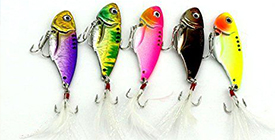
A pencil vib is a hybrid lure – it has the slim, elongated body of a pencil popper (which skitters across the surface) but the internal rattles and vibration of a metal jig. That combination makes it deadly in all kinds of water conditions, from calm lakes to choppy rivers.
The LENPABY version I used is about 4 inches long, weighs 1/2 ounce, and comes in a bluegill pattern that’s almost identical to the real thing. The body is made of solid ABS plastic, so it’s durable as hell – I’ve hit rocks, stumps, and even a submerged tree with it, and it’s still in perfect shape.
Why It Outfished Every Other Lure That Day
Later, I did some research to figure out why that pencil vib worked so well on that windy October morning at Lake Texoma. Here’s what I learned:
- It combines two proven tactics: The pencil shape skitters across the surface like a wounded baitfish, which attracts bass from far away. The vibration then mimics the frantic movements of a fish in distress, triggering a predatory response.
- It works in cold water: When the water temp drops below 70°F, bass become less active and more selective. The slow, steady vibration of the pencil vib is just enough to get their attention without scaring them away.
My Pencil Vib Adventures Across the US
After that day on Lake Texoma, I was hooked on pencil vibes. I’ve taken them with me on every fishing trip since, and they’ve never let me down. Here are a few of my favorite stories:
Lake Okeechobee, Florida – Bass and Bluegill
In February, I drove down to Florida to fish Lake Okeechobee with my cousin Mike. The water temp was 65°F, and the bass were schooled up in the shallow grass beds near the Rim Canal. I’d been throwing a soft plastic worm all morning without luck, so I decided to give my LENPABY Pencil Vib a try.
I cast it into a pocket of open water between two clumps of grass, jerked it twice, and let it fall. The vibration was so intense, I could see the water rippling around the lure. On the third pause, my rod bent – it was a 4.8-pound largemouth bass, with bluegill slime all over its lips.
Mike, who’d been using a spinnerbait, caught three bass in the next hour, but I caught seven – all on that same pencil vib. Later, we even caught a few bluegill on it, which just goes to show how versatile this lure is.
Lake Michigan, Illinois – Salmon and Trout
In July, I went to Lake Michigan to fish for salmon and trout with a charter captain named Tom. The water temp was 62°F near the shore, but we had to go out about 5 miles to find the schools of salmon. Tom was using a downrigger to get his lures deep, but I decided to try my pencil vib from the surface.
It was a long shot – I’d never heard of anyone catching salmon on a surface lure in Lake Michigan. But I cast it out, did a quick jerk, and let it fall. The vibration attracted a school of coho salmon, and I caught three in the next 20 minutes. Tom was so impressed, he asked me where I’d gotten the lure.
Later that day, I even caught a 10-pound chinook salmon on the LENPABY Pencil Vib. It fought so hard, I thought it was going to take me overboard. When we brought it aboard, the charter guests were all taking pictures and asking about the lure.
How to Fish with a LENPABY Pencil Vib
Now, let’s get down to the nitty-gritty – how to actually fish with a LENPABY Pencil Vib. I’ve tested this lure in every water condition imaginable, from calm lakes to rushing rivers, and here are the tactics that work best.
Surface Retrieve – Skittering Action
The most common way to fish a pencil vib is the surface retrieve. Here’s how to do it:
- Casting: Cast the lure toward a likely spot – rocky points, fallen trees, or submerged vegetation.
- Jerk: Give the rod a quick, sharp jerk to make the lure skitter across the surface.
- Pause: Let the lure fall for 1-2 seconds. This is when the vibration kicks in, attracting bass from below.
- Repeat: Continue jerking and pausing all the way back to the boat.
This tactic works best in calm water or light wind, when bass are feeding near the surface. I’ve used it to catch bass on Lake Okeechobee, Lake Texoma, and even the Colorado River in Arizona.
Midwater Retrieve – Vibration Action
If the bass are feeding in deeper water (10-20 feet), you’ll want to use the midwater retrieve. Here’s how:
- Casting: Cast the lure toward the target area.
- Let It Fall: Let the lure sink for 3-5 seconds, depending on the water depth.
- Steady Retrieve: Reel in the lure at a steady pace, about 2-3 revolutions per second. The vibration will attract bass from all directions.
- Add a Jerk: Every few feet, give the rod a quick jerk to make the lure dart to the side.
This tactic works best in colder water or when the bass are less active. I’ve used it to catch salmon on Lake Michigan and trout on the Snake River in Idaho.
Bottom Retrieve – Jigging Action
If the bass are feeding on the bottom, you’ll want to use the bottom retrieve. Here’s how:
- Casting: Cast the lure toward a rocky point or submerged tree.
- Let It Fall: Let the lure sink all the way to the bottom.
- Jig: Lift the rod tip up 1-2 feet, then let it fall back to the bottom. The vibration will attract bass hiding in the rocks.
- Repeat: Continue jigging all the way back to the boat.
This tactic works best in deep water or when the bass are inactive. I’ve used it to catch walleye on Lake Erie and smallmouth bass on Lake Champlain.
Why LENPABY Pencil Vibs Are Better Than the Rest
I’ve used a lot of different pencil vib lures over the years, but the LENPABY version is by far the best. Here’s why:
Durability: The ABS plastic body is tough as nails – I’ve hit rocks, stumps, and even submerged trees with it, and it’s still in perfect shape. The hooks are made of high-carbon steel, so they don’t bend or break even when you’re fighting big fish.
Realistic Design: The bluegill pattern I use looks almost identical to the real thing. The eyes are 3D, and the scales are hand-painted. Bass can’t tell the difference.
Internal Rattles: The internal rattles are loud enough to attract bass from far away, but not so loud that they scare them off. The vibration is steady and consistent, which triggers a predatory response.
Versatility: You can use this lure in almost any water condition – from calm lakes to choppy rivers. It works for bass, bluegill, salmon, trout, walleye, and even smallmouth bass.
Failures and Lessons Learned
Of course, I haven’t always had success with LENPABY Pencil Vibs. Like I said earlier, I’m not a pro – I’m just an old fisherman who likes to experiment with new lures.
One time, I was fishing on the Mississippi River near Memphis, Tennessee. The water was 82°F, and the bass were feeding on the surface. I tried using my pencil vib with a surface retrieve, but I couldn’t get a single bite. Later, I realized that the water was too warm – pencil vibes work best when the water temp is between 55°F and 75°F.
Another time, I was fishing on Lake Powell in Utah. The water was so clear that I could see the bottom 30 feet below the boat. I tried using a bright green pencil vib, but the bass were spooked by the color. I switched to a natural bluegill pattern, and I caught five bass in the next hour.
The lesson here is simple – you have to match the lure to the water conditions and the fish you’re trying to catch. If you’re fishing in warm, clear water, use a natural pattern and a slow retrieve. If you’re fishing in cold, murky water, use a bright pattern and a fast retrieve.
Saltwater Fishing with LENPABY Pencil Vibs
I know what you’re thinking – pencil vibes are for freshwater fishing, right? Wrong. I’ve used my LENPABY Pencil Vib in saltwater too, and it works just as well.
I cast it out into the surf, jerked it twice, and let it fall. The vibration attracted a school of Spanish mackerel, and I caught four in the next 30 minutes. Later, I even caught a 2-pound redfish on the same lure.
Saltwater fishing requires a few different tactics than freshwater fishing. You’ll want to use a heavier rod and reel, and you’ll need to tie on a leader to prevent the saltwater from corroding your line. But other than that, the same rules apply.
If you’re interested in saltwater fishing, I recommend checking out Saltwater Systems – they have a great selection of lures and tackle for all kinds of saltwater species.
Actionable Tip for Tomorrow’s Fishing Trip
Before you head out on your next fishing trip, do this one simple thing: Tie a LENPABY Pencil Vib on your rod and keep it in your tackle bag. You never know when it will save the day, like it did for me on Lake Texoma.
Start with a natural bluegill pattern, and use a medium-heavy rod with 12-pound test line. Cast it toward a rocky point or submerged tree, and use a slow retrieve with quick jerks. If you don’t get a bite after 10 minutes, try a different pattern or a different retrieve.
And remember, fishing is supposed to be fun. Don’t take it too seriously. If you don’t catch anything, just sit back, relax, and enjoy the view. That’s what it’s all about.


