





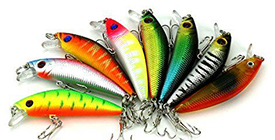
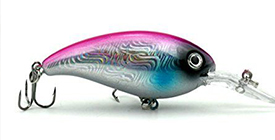
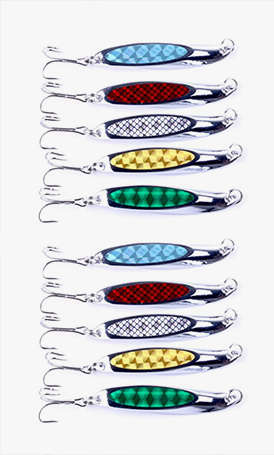

Sunrise over Lake Texoma paints the sky in hues of tangerine and lavender, my old bass boat cutting through the cool 62°F water as I guide her toward the submerged timber near the dam. I’ve got a Crank Lure tied to my rod—chartreuse and black, with a deep diving bill. 20 years of fishing has taught me that this isn’t just any lure; it’s a tool forged in the waters of Texoma, Michigan, and Okeechobee alike. Let me tell you about the day this lure changed how I look at crankin’.
Why Crank Lures Are My Go-To
Honestly, if I could only take one type of lure on a trip, it’d be a crank. The versatility is unmatched—from shallow flats to deep drop-offs, crank lures cover water fast and trigger strikes that make your rod bend like a willow in a Texas wind.
The science behind crank lures is simple but effective. The bill causes the lure to dive and wiggle when pulled through the water, mimicking a baitfish that’s either fleeing or just swimming casually. This erratic movement drives bass crazy, especially when the water temps hit that sweet spot between 58 and 72°F.
Types of Crank Lures You Need
Shallow-Diving Crank Lures
I use shallow divers when the bass are bedding in spring or chasing shad near the shore in summer. The water temp’s usually around 60-65°F, and the sun’s just peeking over the trees. Cast along the bank, let it hit the water, and retrieve with a steady crank. You’ll feel the lure bounce off rocks and sticks—don’t slow down; that’s when the bass strike.
Deep-Diving Crank Lures
When the water warms up to 70°F and the bass move to deeper structures like ledges or underwater humps, it’s time for a deep diver. Tie on a heavy-duty line, cast out, and let it sink to the bottom. Then, crank slowly, allowing the lure to dive to its maximum depth. This technique works wonders on Lake Michigan, where the drop-offs are steep and the bass are holding tight.
Lipless Crank Lures
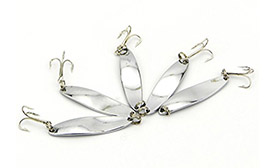
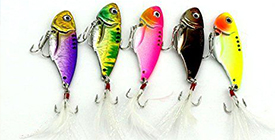
Lipless crank lures are my secret weapon when the water’s murky or the wind is blowing hard. The rattle inside creates a vibration that bass can feel from far away. Cast into the wind, let it sink for a few seconds, then retrieve with a fast crank. This creates a “jigging” motion that triggers aggressive strikes.
My Best Crank Lure Setup
For line, I use fluorocarbon. It’s invisible underwater and has less stretch than monofilament, which means you’ll feel more bites and set the hook harder. If I’m fishing in heavy cover, I’ll switch to a braided line with a fluorocarbon leader. The braid cuts through vegetation, and the leader provides the invisibility I need.
Tips for Using Crank Lures Like a Pro
- Match the hatch: If you’re fishing on Lake Okeechobee, use a silver and blue crank that looks like a shad. If you’re on a small Texas pond, try a brown and black lure that mimics a crawfish.
- Crank at the right speed: In cold water (below 60°F), slow down. In warm water (above 70°F), crank faster.
- Use the stop-and-go retrieve: Cast out, crank a few times, stop, let the lure float up, then crank again. This imitates a dying fish, which bass love to eat.
- Pay attention to structure: Crank lures work best around structure like rocks, stumps, and drop-offs. Cast into these areas and work the lure slowly.
- Don’t be afraid to change lures: If you’re not getting strikes, switch to a different color or size. Sometimes all it takes is a little change to trigger a bite.
A Day to Remember
Last summer, I was fishing on Lake Okeechobee with a buddy. The water temp was 71°F, and the wind was blowing at about 10 mph. We’d been throwing plastic worms for an hour without a bite. I decided to switch to a lipless crank lure—red and gold with a rattle inside. Casting near a patch of lily pads, I retrieved it with a fast crank. The lure hit something hard, and my rod bent like a bow. After a 10-minute fight, we pulled in a 8-pound largemouth bass.
That catch taught me that crank lures aren’t just for covering water—they’re for targeting specific bass that other lures can’t reach. The lipless lure’s rattle cut through the murky water, and the red and gold color mimicked the crawfish that bass were feeding on near the lily pads.
Common Mistakes to Avoid
I’ve made my share of mistakes over the years. One time, I was fishing on Lake Michigan with a deep-diving crank lure. I cast out, let it sink, and started cranking. After a few minutes, I felt a tap—so I set the hook hard. But the line broke, and the fish got away.
Crank Lures for Every Season
Spring
During the spring, when the water temp is between 58 and 65°F, bass are spawning or getting ready to spawn. Use a shallow-diving crank lure in natural colors like green pumpkin or watermelon. Cast along the bank and retrieve with a steady crank. This will mimic a baitfish that’s swimming near the spawning beds.
Summer
In summer, when the water temp is above 70°F, bass move to deeper structures. Use a deep-diving crank lure in bright colors like chartreuse and orange. Cast into deep water and retrieve with a slow crank. This will target the bass that are holding tight to the bottom.
Fall
Fall is my favorite time of year to fish with crank lures. The water temp starts to cool down, and bass are feeding heavily to prepare for winter. Use a lipless crank lure in silver and blue or chrome and black. Cast into schools of shad and retrieve with a fast crank. This will trigger aggressive strikes from bass that are chasing the shad.
Winter
During the winter, when the water temp is below 58°F, bass are less active. Use a small crank lure in natural colors like brown or gray. Cast into shallow water and retrieve with a very slow crank. This will mimic a baitfish that’s swimming slowly to conserve energy.
Advanced Crank Lure Techniques
Cranking through Vegetation
If you’re fishing in areas with heavy vegetation like lily pads or hydrilla, use a shallow-diving crank lure with a weed guard. Cast into the vegetation and retrieve with a steady crank. The weed guard will help the lure glide through the vegetation without getting tangled.
Cranking around Structure
When fishing around structure like rocks or stumps, use a deep-diving crank lure with a tough body. Cast into the structure and retrieve with a slow crank. The lure will bounce off the structure, which will trigger a strike from bass that are holding tight to the rocks or stumps.
Cranking in Murky Water
Murky water can make it hard for bass to see, but crank lures with rattles or bright colors can still be effective. Use a lipless crank lure in red or orange. Cast into the murky water and retrieve with a fast crank. The rattle will create a vibration that bass can feel, and the bright color will make the lure more visible.
My Favorite Crank Lure Brands
Over the years, I’ve tried many crank lure brands. Here are a few of my favorites:
- LENPABY: These crank lures are well-made and come in a variety of colors and sizes. The lipless crank lures are especially effective in murky water.
- Rapala: Rapala has been making crank lures for over 80 years. Their shad-colored crank lures are a staple in my tackle box.
- Strike King: Strike King’s Pro-Model crank lures are designed for professional anglers. They’re durable and effective in a variety of fishing conditions.
If you’re looking for high-quality crank lures, check out Metal Lures for their excellent selection of crank lures and other fishing gear.
Before you head out to the water, I want to leave you with one actionable tip: Always keep your line tight when using a crank lure. Loose line can cause you to miss strikes, so make sure you’re always in control of your lure. With a tight line, you’ll feel every tap and be able to set the hook quickly. Now go out there and catch some bass!


