





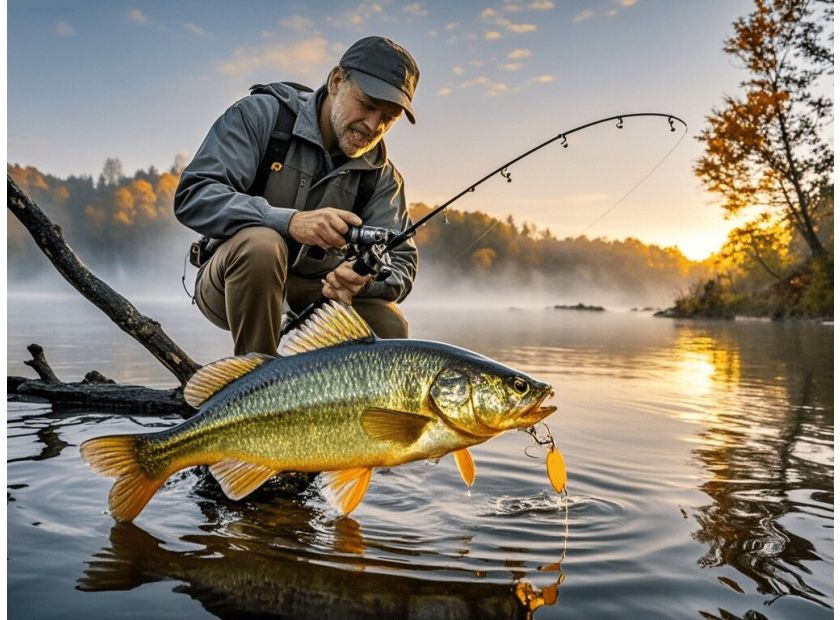
That Morning on Lake Okeechobee
Okay, let me set the scene. It was last March, gray and misty over Lake Okeechobee in Florida—you know that thick, swampy air that sticks to your skin like a wet t-shirt. I’d been up since 4 a.m., chugging gas station coffee strong enough to strip paint, and my buddy Jake was at the wheel of his beat-up aluminum boat, grumbling about the fog.
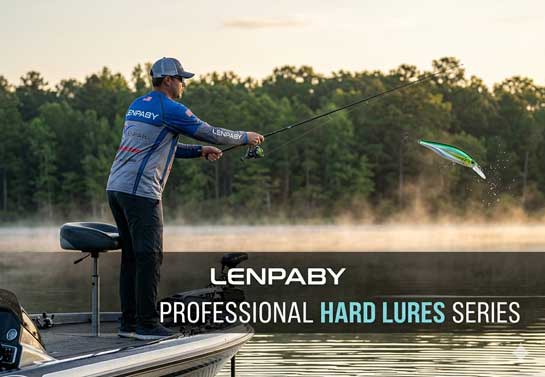
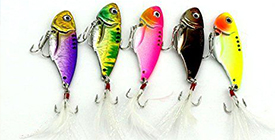
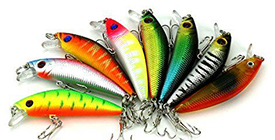
We were chasing big bass, the kind that make your reel scream like a scared kid. The water temp hit 68°F just as the sun peeked over the cypress trees, and I tied on a new LENPABY hard bait Jake had sworn by—shiny silver with black stripes, the kind that wiggles like a dying shad when you twitch it slow.
I cast into a patch of lily pads and let it sink for three seconds, then gave it a gentle jerk. Nothing. Cast again, same spot, same result. Jake was over there yapping about how I was reeling too fast, so I slowed down even more—maybe a twitch every two seconds. That’s when it happened.
The water exploded. A five-pound bass hit that hard bait like it owed him money, dragging my line out a hundred feet before I could even react. After a five-minute fight that left my arms burning, I hoisted it into the boat. Honestly, it was one of the most thrilling catches of my 20 years on the water.
Why Hard Baits Are My Go-To
If you’ve ever stood on a dock or in a boat wondering which lure to tie on, let me tell you—hard baits are where it’s at, especially for the kinds of fish we chase in the US. They’re not just shiny pieces of plastic; they’re precision tools, designed to mimic real prey in ways that make fish go nuts.
Take that LENPABY bait I used on Okeechobee. Its design creates a natural wobble that looks exactly like a shad darting through the water. That realism triggers a bass’s predatory instinct, even when it’s not that hungry. And because hard baits are built to last, you don’t have to worry about them falling apart after a few catches.
But they’re not just for bass. I’ve used hard baits for walleye on Lake Michigan, northern pike on Lake Texoma, even redfish in the marshes of Louisiana. Each time, the right hard bait made all the difference.
Choosing the Right Hard Bait for the Water
Not all hard baits are created equal, though. The key is matching the lure to the water conditions. Let’s break it down.
Clear Water: Go Natural
In clear water—like you find in the mountains of Colorado or the Great Lakes—fish have great eyesight, so you need a hard bait that looks as real as possible. Colors like silver, gold, or natural shad patterns work best. Make sure the lure has a realistic finish, maybe with some scale details. Slow, subtle movements are better here; fast retrieves will spook the fish.
Muddy Water: Go Bold
Muddy water? Think the Mississippi River or the bayous of Texas. Here, fish rely more on vibration than sight, so you want a hard bait with a loud rattle and bright colors like chartreuse or firetiger. The rattle will help them find the lure in the murk, and the bright colors will stand out. A faster retrieve works well here—you want the bait to create as much commotion as possible.
Weed Beds: Pick the Right Shape
Weed beds are bass territory, but they’re also a snag nightmare. For this, you need a hard bait with a weedless design or a narrow profile that can slip through the vegetation. A lipless crankbait is a good choice—it sinks slowly and vibrates, attracting bass without getting stuck. I once caught three bass in 10 minutes using a LENPABY lipless crankbait in a weed bed on Lake Texoma. The water temp was 72°F, and I was casting parallel to the weeds, reeling slow.
Mastering the Hard Bait Technique
Even the best hard bait won’t catch fish if you don’t use it right. Here are some techniques I’ve learned over the years.
Twitch and Pause for Bass
Bass love to ambush their prey, so the twitch-and-pause technique is golden. Cast your hard bait into a likely spot—like near a log or a rock—and let it sink for a second. Then give the rod a quick twitch, wait a few seconds, and repeat. The pause is when the bass usually strikes—they think the prey is injured and easy pickings. That’s how I caught that big bass on Okeechobee.
Steady Retrieve for Walleye
Walleye are more about consistency than drama. A steady, medium-speed retrieve works best here. Cast your hard bait into deeper water—like 20 to 30 feet—and reel it in at a constant pace. The key is to keep the bait at the same depth where the walleye are feeding. I use this technique on Lake Michigan all the time, usually around dawn or dusk when the water temp is between 50°F and 60°F. A silver or gold crankbait works great.
Fast Retrieve for Northern Pike
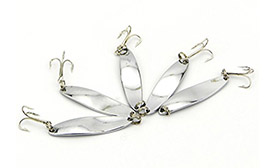
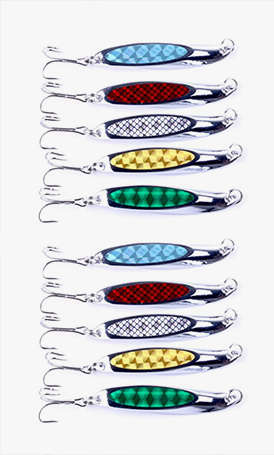
Northern pike are aggressive, so they love fast-moving prey. For this, use a hard bait like a spoon or a jerkbait and retrieve it as fast as you can. The idea is to make the bait look like a small fish darting away in panic. Pike will strike out of pure instinct. I’ve had the best luck with this on Lake Texoma, especially in the summer when the water temp hits 75°F. Just be ready—pike hit hard, and they’ll test your fishing line.
My LENPABY Hard Bait Collection
Over the years, I’ve tried a lot of hard baits, but LENPABY’s collection is some of the most reliable I’ve ever used. Here are a few of my favorites.
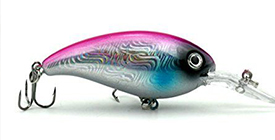
LENPABY Shad Crankbait
That’s the one I used on Lake Okeechobee. It’s got a realistic shad pattern, a tight wobble, and it’s tough as nails. I’ve caught bass, walleye, and even a small musky with it. It works best in clear to slightly murky water, and the twitch-and-pause technique is perfect for it.
LENPABY Firetiger Jerkbait
This one’s my go-to for muddy water. It’s bright firetiger color, with a loud rattle that can be heard through even the murkiest water. I’ve used it on the Mississippi River and caught everything from bass to catfish. The fast retrieve works great here, and it’s weedless enough for most vegetation.
LENPABY Lipless Crankbait
For weed beds, this is unbeatable. Its narrow profile slips through weeds like a knife through butter, and the vibration attracts bass from 10 feet away. I use it on Lake Texoma all the time, usually in the spring when the water temp is around 65°F. Just cast parallel to the weeds and reel slow.
Common Mistakes to Avoid
Even veterans make mistakes with hard baits. Here are a few I’ve learned the hard way.
Mismatching the Lure to the Prey
If the fish in the water are feeding on minnows, don’t use a hard bait that looks like a crawfish. It sounds obvious, but I’ve seen a lot of anglers make this mistake. Always check what the local prey looks like. For example, on Lake Michigan, walleye feed on shad and alewives, so a shad-patterned hard bait is a no-brainer.
Not Changing Your Retrieve Speed
If you’re not getting bites, don’t just keep casting in the same spot with the same retrieve. Try speeding up or slowing down. Sometimes, a small change in speed is all it takes to trigger a strike. I once spent an hour on Lake Texoma with no bites, then switched from a fast retrieve to a slow, steady one—and caught five bass in the next 30 minutes.
Ignoring the Weather
Weather plays a huge role in fish behavior. On cloudy days, fish are more active near the surface, so you can use a topwater hard bait like a popper. On sunny days, they’ll be deeper, so use a crankbait that sinks to 15 feet or more. Wind can also help—chop on the water makes it harder for fish to see you, so you can cast closer to them without spooking them.
The One That Got Away
Now, let’s talk about a failure. It was last summer on Lake Texoma, hot as blazes—water temp 82°F, sun beating down. I was using a LENPABY topwater hard bait, casting near a submerged tree. I twitch, pause, twitch—and a monster bass explodes out of the water, grabs the bait, and takes off.
I set the hook as hard as I could, but it slipped. The bass was easily 10 pounds, and it was gone in a second. I sat there for 10 minutes, replaying the moment in my head. The problem? I reeled too fast after the strike. I should have let the bass run a little before setting the hook again. It’s a mistake I won’t make again.
Fishing Beyond Bass: Hard Baits for Other Species
Hard baits aren’t just for bass. I’ve used them for a lot of other US game fish, and each time, they’ve delivered.
Walleye on Lake Michigan
Lake Michigan is walleye paradise, especially in the spring when they spawn. For this, I use a silver LENPABY crankbait, casting near rocky shoals where the water is 55°F. A steady retrieve at about 2 mph works best. I’ve caught walleye up to 8 pounds using this method.
Northern Pike on Lake Texoma
Lake Texoma is loaded with northern pike, especially in the cooler months. I use a LENPABY jerkbait in a bright orange color, retrieving it as fast as I can. The key is to cast near the edges of weed beds, where pike like to hide. I once caught three pike in an hour using this technique.
Redfish in the Louisiana Marshes
In the marshes of Louisiana, redfish are the prize. For this, I use a LENPABY hard bait that looks like a mullet, casting near oyster beds. The water is usually 70°F, and a slow, steady retrieve works best. Redfish have hard mouths, so make sure you set the hook hard. I caught my first redfish using this method—it was three pounds, and it fought like a champ.
Frog Lures for Weed-Heavy Water
Let’s pivot for a second. When you’re fishing in water so thick with weeds that even a lipless crankbait gets stuck, Frog Lures are a game-changer. These soft-plastic lures sit on the surface, and their hollow bodies make them buoyant. You cast them into the thickest weed beds, give them a quick twitch, and watch them skip across the surface like a real frog. I use them on Lake Okeechobee all the time, usually in the summer when the water temp hits 80°F. Nothing beats watching a bass explode out of the weeds to grab a frog lure.
Squid Jigs for Saltwater Fishing
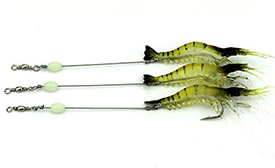
For saltwater fishing, Squid Jigs are my secret weapon. These lures mimic squid, which are a staple food for many saltwater fish, including grouper, snapper, and mackerel. They’re especially effective at night or in deep water, where squid are most active. I use them in the Gulf of Mexico, casting near oil rigs or shipwrecks. Just lower the squid jig to the bottom, then lift and drop it slowly. The movement looks like a squid swimming away from danger, and it triggers a predatory strike every time.
My Favorite US Fishing Spots for Hard Baits
Let me share some of my go-to spots for hard bait fishing across the US.
Lake Okeechobee, Florida
This is bass central, especially in the spring when the water temp hits 68°F. The lily pads and cypress trees provide perfect cover, and the bass are aggressive. Use a LENPABY shad crankbait with the twitch-and-pause technique.
Lake Michigan, Illinois/Indiana
For walleye, this is hard to beat. The water is clear, and the walleye feed on shad and alewives. Use a silver LENPABY crankbait with a steady retrieve.
Lake Texoma, Texas/Oklahoma
This lake is great for northern pike and bass. The weed beds are perfect for lipless crankbaits, and the cooler water temps in the spring and fall make the fish more active.
Mississippi River, Louisiana
Muddy water and aggressive bass—this is where firetiger-colored hard baits shine. Cast near the banks and use a fast retrieve. You’ll be surprised at how many bites you get.
An Actionable Tip to Try This Week
Okay, here’s the actionable tip I promised. Next time you’re out fishing, take 10 minutes to observe the water and the prey. Look for signs of shad jumping, minnows darting, or even birds diving for fish. Then match your hard bait to what you see. If you see shad, use a shad-patterned hard bait. If the water is muddy, use a bright, noisy one. You’ll be amazed at how much difference this simple step makes.
Because at the end of the day, fishing isn’t just about throwing a lure in the water—it’s about understanding the fish, the water, and the prey. And hard baits are the tools that make that understanding pay off.


