





It was a crisp November morning at Lake Okeechobee, Florida, and the air hung thick with the smell of damp earth and pine. My buddy Jake and I had been up before dawn, sipping on lukewarm coffee in the cab of his beat-up truck, waiting for the first hint of light to hit the water. The forecast called for a steady northwest wind, which meant the lake’s normally calm surface would be choppy—perfect conditions for Bass Fishing, but a nightmare if you didn’t have the right lure. I’d been fishing this lake for over 15 years, but today felt different. Jake had convinced me to try something new: a soft lure from LENPABY. I was skeptical, but as the sun broke the horizon, I tied on a pumpkinseed creature bait and cast it out into the murky depths. What happened next changed how I fish forever.
The Day I Ditched My Hard Baits
I’ve been a hard bait guy for most of my career. Crankbaits, spinnerbaits, topwaters—you name it, I’ve thrown it. But on that November morning at Okeechobee, the bass were hunkered down in 8 to 10 feet of water, and every hard bait I tried was met with silence. Jake, on the other hand, was reeling in bass after bass with that soft pumpkinseed lure. The water temp hovered around 68°F, and the wind was pushing warm water toward the leeward shore. I finally caved and tied on the same lure, and within minutes, I felt a sharp tug that almost pulled the rod out of my hands. It was a 4-pound largemouth bass, fighting hard against the current. That day, I caught more bass than I had in months—all on a single soft lure. I went from a hard bait purist to a soft lure convert in just a few hours.
Why Soft Lures Work So Well
Soft lures have been around for decades, but recent improvements in materials and design have made them more effective than ever. Unlike hard baits, which rely on loud rattles or flash to attract fish, soft lures mimic the natural movement and texture of real prey. The pumpkinseed creature bait I used that day had tiny legs that wobbled in the current, and its soft, squishy texture felt just like a crawfish—a favorite food of bass at Lake Okeechobee. Soft lures are also incredibly versatile. You can fish them slow or fast, deep or shallow, and they work in almost any water condition. Whether you’re Bass Fishing at Lake Texoma in Texas or targeting walleye at Lake Michigan, a well-chosen soft lure can make all the difference.
Another reason I love soft lures is their durability. A single soft lure can last for weeks if you take care of it, whereas hard baits can crack or break after just a few hits. And when they do get torn up, you can often fix them with a little super glue or by cutting off the damaged part. The cost is another huge factor—soft lures are much cheaper than hard baits, which means you can stock up on a variety of colors and styles without breaking the bank. I keep a tackle box full of soft lures in my truck, and I always have at least a dozen tied on and ready to go.
My Go-To Soft Lure Setup
When I’m Bass Fishing, my setup depends on the type of soft lure I’m using. For creature baits like the one I used at Okeechobee, I prefer a medium-heavy casting rod with a fast action tip. This gives me the power to set the hook hard and pull big bass out of cover, while the fast tip helps me detect even the smallest bites. I pair the rod with a 7.1:1 gear ratio reel spooled with 20-pound braided line and a 12-pound fluorocarbon leader. The braided line is strong and sensitive, while the fluorocarbon leader is almost invisible in the water.
For soft plastics like worms or senkos, I use a different setup. I switch to a medium-light spinning rod with a slow action tip. This allows me to cast further and fish the lure slowly, which is ideal for targeting bass in shallow water or around structure. I pair the rod with a 5.2:1 gear ratio reel spooled with 10-pound monofilament line and a 6-pound fluorocarbon leader. The monofilament line has a little stretch, which helps prevent the hook from pulling out of the fish’s mouth, while the fluorocarbon leader is still nearly invisible.
Choosing the Right Soft Lure for the Job
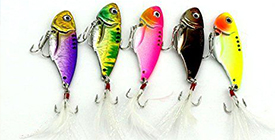
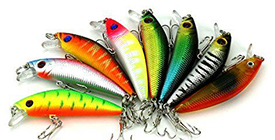
One of the biggest mistakes I see beginner anglers make is using the wrong soft lure for the water conditions. To catch fish consistently, you need to match the hatch—meaning you need to use a soft lure that looks and moves like the natural prey in that body of water. For example, if you’re Bass Fishing at Lake Texoma, where the main food source is shad, you should use a soft lure that mimics a shad. The Penceil Vib Lures from LENPABY are perfect for this—they have a sleek, slender design that looks just like a shad, and their soft, flexible bodies move naturally in the water.
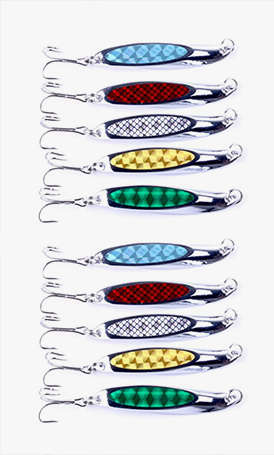
Water clarity is another important factor to consider. In clear water, you should use a soft lure that is a similar color to the natural prey. For example, if you’re fishing in clear water at Lake Michigan, a silver or white soft lure that mimics a minnow will work well. In murky water, you should use a soft lure that is a bright color, like chartreuse or orange. These colors are more visible in murky water and will attract fish from further away. The Penceil Vib Lures come in a variety of colors, so you can always find one that matches the water conditions.
My Favorite Soft Lure Techniques
Over the years, I’ve developed a few soft lure techniques that almost always work. The first one is the Texas rig, which is perfect for fishing in heavy cover like weeds or brush. To set up a Texas rig, you simply thread a soft lure onto a hook with a bullet weight, and then bury the hook point into the body of the lure. This makes it almost impossible for the lure to get snagged on weeds or rocks. The Texas rig is ideal for Bass Fishing at Lake Okeechobee, where the shoreline is covered in thick vegetation. I use this technique almost every time I fish there, and I’ve caught hundreds of bass using it.
Another favorite technique of mine is the Carolina rig, which is perfect for fishing in deep water. The Carolina rig consists of a heavy weight (usually 1 to 2 ounces) tied to the end of the line, followed by a swivel, a leader, and a soft lure. The weight is heavy enough to sink to the bottom, and the swivel prevents the leader from twisting. I use this technique at Lake Michigan, where the walleye are often hunkered down in 20 to 30 feet of water. The slow, steady movement of the soft lure along the bottom mimics the natural movement of a crawfish or minnow, which attracts walleye from far away.
Common Soft Lure Mistakes to Avoid
Even the best soft lure won’t work if you’re using it incorrectly. One of the most common mistakes I see is fishing the lure too fast. Soft lures are designed to be fished slow, so you need to give the fish time to see and strike the lure. I often fish my soft lures at a speed of 1 to 2 mph, which is slow enough for the fish to catch up to them but fast enough to keep the lure moving. Another mistake is using too heavy of a weight. If the weight is too heavy, it will sink the lure too fast and make it look unnatural. I usually use a weight that is between 1/4 and 3/8 ounces for shallow water fishing, and between 1 and 2 ounces for deep water fishing.
One of the biggest mistakes I made when I first started using soft lures was not checking the hook point regularly. Soft lures can dull the hook point over time, which makes it harder to set the hook. I now check the hook point after every few casts, and if it’s dull, I replace it immediately. A sharp hook is essential for catching fish, so you should never skip this step.
The Best Soft Lures for Different Water Conditions
Not all soft lures are created equal—some work better in certain water conditions than others. For example, if you’re fishing in heavy cover like weeds or brush, you should use a soft lure that is tough and durable, like a creature bait or a jig. The pumpkinseed creature bait I used at Okeechobee is perfect for this—it’s made from a tough, tear-resistant material that can withstand repeated hits from big bass. If you’re fishing in open water, you should use a soft lure that is sleek and fast-moving, like a Penceil Vib Lure or a minnow. These lures mimic the natural movement of shad or other open-water prey, which attracts fish from far away.
Another important factor to consider is the time of year. In the spring, when bass are spawning, you should use a soft lure that is small and slow-moving, like a worm or a senko. These lures are less likely to scare away spawning bass, and they mimic the natural movement of a small fish or crawfish. In the fall, when bass are feeding heavily to prepare for winter, you should use a soft lure that is larger and more aggressive, like a creature bait or a jig. These lures will attract bigger bass that are looking for a hearty meal before the cold weather sets in.
My Top Soft Lure Recommendations
After using dozens of different soft lures over the years, I’ve narrowed down my favorites to a few key brands and styles. The first one is the pumpkinseed creature bait from LENPABY. This lure is tough, durable, and incredibly effective at catching bass in heavy cover. The tiny legs wobble in the current, and the soft, squishy texture feels just like a crawfish. I use this lure almost every time I’m Bass Fishing at Lake Okeechobee or Lake Texoma, and I’ve caught hundreds of bass using it.
Another favorite of mine is the Penceil Vib Lure from LENPABY. This lure is perfect for open water fishing, as it mimics the natural movement of a shad. The soft, flexible body of the Penceil Vib Lure moves naturally in the water, and the built-in vibration helps attract fish from far away. I use this lure at Lake Michigan, where the walleye are often feeding on shad, and it never disappoints.
Final Thoughts on Soft Lures
Soft lures are an essential tool for any fisherman, whether you’re a beginner or an experienced pro. They are incredibly versatile, durable, and effective at catching fish in almost any water condition. Whether you’re Bass Fishing at Lake Okeechobee in Florida or targeting walleye at Lake Michigan in Michigan, a well-chosen soft lure can make all the difference. If you’re still using hard baits, I encourage you to give soft lures a try—you might be surprised at how effective they are. Just remember to match the hatch, check your hook point regularly, and fish the lure slow. With a little practice, you’ll be catching more fish than you ever thought possible.
So, the next time you head out to your favorite fishing spot, leave the hard baits at home and give soft lures a try. You’ll be glad you did. And if you’re looking for high-quality soft lures that will help you catch more fish, be sure to check out LENPABY. They offer a wide range of soft lures, including the Penceil Vib Lures, which are perfect for open water fishing, and the pumpkinseed creature bait, which is ideal for fishing in heavy cover. With LENPABY soft lures, you’ll be well on your way to catching your biggest fish yet.
Actionable Tip: Before you head out to fish, spend a few minutes observing the natural prey in the area. Look for minnows, crawfish, or other small creatures that the fish might be feeding on. Then, choose a soft lure that mimics that prey. This simple tip will dramatically increase your chances of catching fish.


