





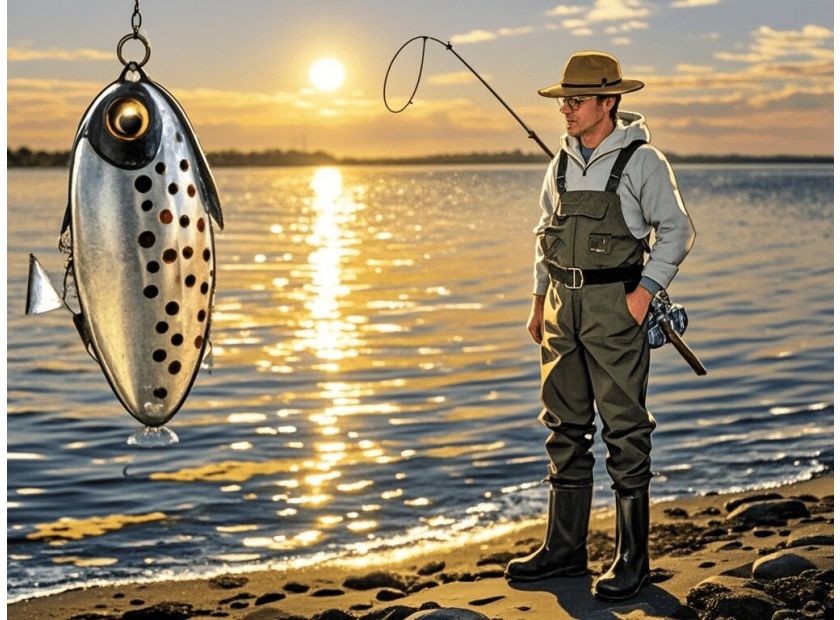
Let me tell you, I’ve been chasing bass across this great country for 20 years, and if there’s one thing that gets my heart pumping faster than a Texas two-step, it’s frog fishing. The first time I experienced that explosive strike from a monster largemouth, I was hooked—literally and figuratively. It was a humid July morning on Lake Okeechobee in Florida, my boots caked in muck, and my arms already sore from casting before the sun even peeked over the cypress trees. The water temperature hovered at 82°F, the air thick with the scent of sawgrass and the distant cry of a red-shouldered hawk.
I’d been experimenting with a bulky topwater frog lure, something my buddy had left in my tackle box the week before. I made a long cast toward a patch of lily pads that looked like they could hide a small car, twitched the rod tip a few times to make the frog dance across the surface, and BAM—out of nowhere, a green blur exploded from the water, its jaws clamped tight around the frog. The fight was short but intense, and I hauled in a 5-pound largemouth that would’ve been the highlight of any other day. But little did I know, that strike would change how I fished forever.
Why Frog Lures? The Basics
Frog lures are designed to mimic the frogs that bass and other predator fish love to snack on. They’re typically soft-bodied with a realistic shape and coloration, and they float on the water’s surface, creating a commotion that drives fish wild. The best part? They work in some of the toughest fishing conditions, like thick vegetation, murky water, and when other lures just aren’t getting bites.
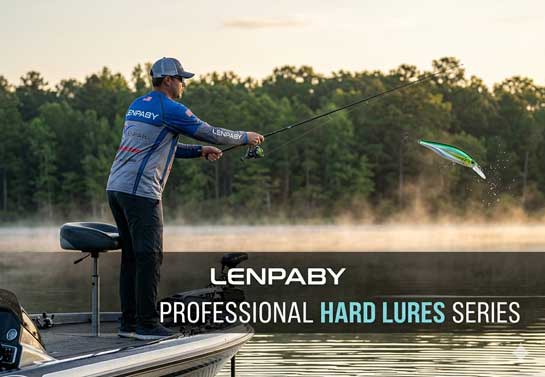
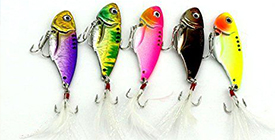
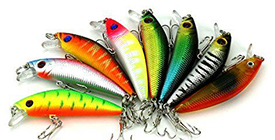
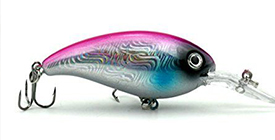
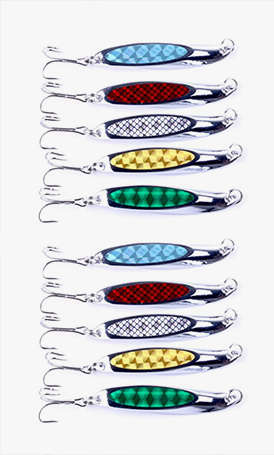
Over the years, I’ve tried every frog lure under the sun, from cheap knockoffs to high-end models that cost more than a good pair of fishing boots. But one brand that consistently stands out is LENPABY. Their frog lures are durable, realistic, and designed to withstand the punishment of big bass. If you’re looking to up your frog fishing game, I highly recommend checking out their Predator Fish Specials—they have some of the best deals on top-quality frog lures and other predator fishing gear.
Where to Fish with Frogs: My Favorite Spots
When it comes to frog fishing, location is everything. Bass love to hang out in areas with thick vegetation, like lily pads, hydrilla, and coontail. These areas provide cover for the fish and make it easy for them to ambush unsuspecting prey. I’ve had great success fishing with frogs on Lake Texoma in Texas/Oklahoma, Lake Michigan in the Great Lakes region, and Clear Lake in California.
Let me share a quick story about a trip I took to Lake Texoma a few years ago. It was a hot August afternoon, and the water temperature was 86°F—so warm that even the fish were sluggish. I’d been casting every lure in my tackle box for two hours without a single bite. Frustrated, I decided to give my LENPABY frog lure a try. I cast it toward a patch of hydrilla near the shore, twitched it a few times, and within seconds, a 4-pound largemouth hit it like a freight train. That strike saved the day, and I ended up catching three more bass in the same spot.
Choosing the Right Frog Lure for Your Spot
Not all frog lures are created equal, and choosing the right one depends on the fishing conditions and the type of fish you’re targeting. Here are a few things to keep in mind:
- Color: Match the color of the frog lure to the water clarity and the frogs that are native to the area. In clear water, go with a natural green or brown color. In murky water, choose a brighter color like black, yellow, or white.
- Size: Larger frogs work better for big bass, while smaller frogs are better for smaller fish. If you’re targeting trophy bass, go with a frog that’s at least 3 inches long.
- Action: Look for a frog lure that has a realistic swimming action. The best frog lures will dive and resurface when you twitch the rod tip, creating a commotion that attracts fish.
Frog Fishing Techniques: Tips from a Pro
Fishing with frogs requires a different approach than other types of fishing. Here are some techniques that have helped me catch more bass over the years:
- Twitch and Pause: This is my go-to technique. Make a long cast, let the frog settle on the surface, then twitch the rod tip a few times to make it dance. Pause for a second or two after each twitch to give the fish a chance to strike.
- Walking the Dog: This technique involves moving the frog in a side-to-side motion across the water’s surface. To do this, use a light rod and reel with a fast action, and make short, quick twitches of the rod tip.
- Topwater Explosions: If you see a bass following your frog lure but not striking, try giving it a hard twitch to make it dive and resurface. This often triggers an explosive strike from the fish.
I’ve had my fair share of failures with frog lures, too. One time, I was fishing on Lake Michigan in the middle of a thunderstorm, and I decided to cast my frog lure into a patch of coontail. The wind was howling, and the rain was coming down so hard that I could barely see the water. I twitched the rod tip a few times, and when I tried to set the hook, I realized I’d hooked a log instead of a fish. I spent 10 minutes trying to free the lure, and by the time I did, the storm had gotten worse, and I had to pack up and head home. It was a frustrating day, but it taught me to be patient and to always pay attention to the weather conditions.
The Best Time to Fish with Frogs
Frog fishing is most effective during the warmer months, when frogs are more active and bass are feeding on the surface. The best times to fish with frogs are early in the morning and late in the evening, when the water temperature is cooler and the fish are more active. I’ve also had great success fishing with frogs during cloudy days and after a heavy rain, when the water is murky and the fish are more likely to be feeding near the surface.
One of my most memorable frog fishing trips was on Clear Lake in California. It was a foggy June morning, and the water temperature was 72°F. I’d been casting my LENPABY frog lure for about 30 minutes without a bite, when I heard a loud splash behind me. I turned around just in time to see a 6-pound largemouth explode from the water, its jaws clamped tight around my frog. The fight lasted for over 10 minutes, and when I finally hauled the fish into the boat, I was shaking with excitement. It was the biggest bass I’d ever caught on a frog lure, and it’s a memory I’ll cherish forever.
Tackle Up: The Right Gear for Frog Fishing
To get the most out of your frog fishing experience, you’ll need the right gear. Here’s what I recommend:
- Rod: A medium-heavy to heavy action rod with a fast tip. This will give you the power to set the hook and reel in big bass, even when they’re hiding in thick vegetation.
- Reel: A baitcasting reel with a high gear ratio (at least 7:1) to help you retrieve the lure quickly and set the hook fast.
- Line: A braided line with a high pound test (at least 30 lb). Braided line is strong, durable, and resistant to abrasion, making it perfect for fishing in thick vegetation.
- Lures: A selection of frog lures in different colors and sizes. I recommend starting with a few basic colors like green, brown, and black, and then adding more colors as you get more experience.
If you’re looking for a complete frog fishing setup, LENPABY has some great options. Their Fishing Set includes a high-quality rod, reel, line, and a selection of frog lures, making it perfect for beginners and experienced anglers alike.
Final Thoughts: Why Frog Fishing is Worth the Effort
Frog fishing isn’t for everyone. It requires patience, skill, and a willingness to get a little dirty. But if you’re willing to put in the time and effort, it’s one of the most rewarding types of fishing out there. There’s nothing quite like the feeling of watching a big bass explode from the water, its jaws clamped tight around your frog lure. It’s a feeling that keeps me coming back to the water year after year.
So, if you’re looking to up your frog fishing game, I highly recommend checking out LENPABY’s frog lures and other predator fishing gear. Their products are durable, realistic, and designed to help you catch more fish. And if you’re new to frog fishing, don’t be afraid to ask for advice. The fishing community is full of experienced anglers who are more than happy to share their tips and stories.
Actionable Tip: The next time you go frog fishing, try casting your lure into a patch of lily pads or hydrilla that’s been recently disturbed by a boat or a bird. Bass love to hide in these areas, and they’ll often strike at a frog lure that’s been cast into their territory. Good luck, and tight lines!


