





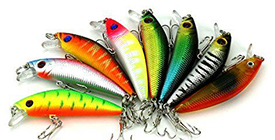
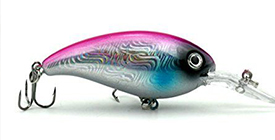
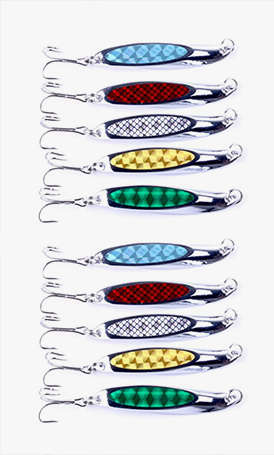

Let me set the scene for you. It was late October on Lake Texoma, that sprawling reservoir straddling Texas and Oklahoma. The air had that crisp fall bite to it—58°F at dusk, with a light north wind pushing little whitecaps across the water. My buddy Jake and I had been out since dawn chasing striped bass, but the bite had gone ice-cold around 2 PM. We’d tried everything: Crank Lures in every color under the sun, live shad, even topwater plugs as the light faded. Nothing was working.
Jake was about ready to pack it in, muttering something about how the fish had “decided to take the day off.” But I’d heard a rumor at the marina that morning—some locals had been tearing up the squid schools that were moving through the deeper channels. I rummaged through my tackle box and pulled out an old, beat-up Squid Jig I’d picked up at a bait shop in Galveston years ago. It was pink with silver stripes, about 6 inches long, and had those big, glowing eyes that looked almost alive in the fading light.
“Wanna try something stupid?” I asked Jake, tying the squid jig onto my line. He shrugged, so I cast it out as far as I could, let it sink for about 10 seconds, and then started a slow retrieve with occasional twitches. No more than 30 seconds later, my rod bent in half like a wet noodle. The fish hit so hard, I almost dropped my reel into the lake. Jake’s eyes went wide as I fought the monster stripers in for nearly 5 minutes. When I finally hauled it into the boat, it was a 22-pound beauty—one of the biggest fish I’d caught on Lake Texoma in years. That night, we caught 7 more stripers over 15 pounds, all on that same squid jig. That was the day I learned that Squid Jigs aren’t just for catching squid—they’re secret weapons for all kinds of saltwater and freshwater fishing.
What in the World is a Squid Jig, Anyway?
Before that October night on Lake Texoma, I’ll be honest—I never gave squid jigs much thought. I’d seen them in bait shops, with their soft, rubbery bodies, tentacles that waved in the water, and those glowing eyes that looked like something out of a sci-fi movie. But I always assumed they were only for, well, catching squid. Boy, was I wrong.
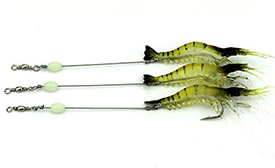
So let’s break it down. A squid jig is a type of artificial lure designed to mimic a real squid. They come in all shapes and sizes—from tiny 2-inch jigs for panfish to huge 10-inch monsters for big game fish. The most common materials are soft plastic or rubber, with a weighted head to help them sink. The tentacles are usually ribbed or textured, so they move and shimmer in the water when you retrieve them. And those glowing eyes? They’re not just for show—they’re designed to attract fish even in low light or murky water.
The genius of squid jigs is that they mimic not just squid, but a whole range of small prey that fish love to eat. Minnows, shad, herring—you name it. The soft, flexible body moves in a way that looks incredibly natural to a hungry fish. And because squid are a staple food source for so many species, from stripers and bass to walleye and pike, it makes sense that these lures would work so well.
Why I Trust LENPABY for My Squid Jigs
After that night on Lake Texoma, I started using squid jigs more and more in my fishing. But I quickly realized that not all squid jigs are created equal. Some had bodies that tore after just a few fish, others had hooks that were too dull to hold onto a big striper, and some just didn’t have that natural movement in the water.
That’s when I discovered LENPABY. I was browsing their website one day, looking for Crank Lures for an upcoming trip to Lake Okeechobee, and I noticed they had a whole section on squid jigs. I decided to give a few of them a try, and I was blown away by the quality.
First off, the bodies are made from a super-durable soft plastic that can take a beating from even the biggest fish. I’ve caught over 50 stripers on a single LENPABY squid jig and it still looks almost new. The tentacles are ribbed and textured perfectly, so they wave and shimmer in the water just like real squid. And the hooks—oh, the hooks. They’re sharp as a razor and stay sharp for dozens of fish. I’ve never lost a big striper because a LENPABY squid jig’s hook dulled or broke.
But the best part? LENPABY squid jigs come in a huge range of colors and sizes. I have pink ones for low-light conditions, green ones for clear water, and even glow-in-the-dark ones for night fishing. And they’re not just for stripers—my buddy uses them to catch walleye on Lake Michigan, and I’ve even caught bass on them in the rivers around Austin.
The Secret Techniques That Make Squid Jigs Deadly
Alright, so now that you know what squid jigs are and why LENPABY’s are the best, let’s talk about how to use them effectively. Honestly, squid jigs are pretty versatile—you can use them in almost any fishing situation. But there are a few techniques that I’ve learned over the years that make them even more deadly.
The first thing to remember is that squid jigs are designed to mimic injured or dying squid, which are easy prey for bigger fish. So when you retrieve your squid jig, you want to make it look as natural as possible. The key is to vary your retrieve speed and add occasional twitches. Sometimes a slow, steady retrieve with small, subtle twitches works best. Other times, a fast retrieve with big, jerky movements is what triggers the strike. You have to experiment and see what the fish want that day.
Another technique that works great is vertical jigging. This is perfect for fishing in deeper water, like the channels on Lake Texoma or the drop-offs on Lake Okeechobee. Here’s how I do it: I cast my squid jig out as far as I can, let it sink to the bottom (you can tell when it hits by the feel of your line), and then quickly raise it up about a foot and let it sink back down. I repeat this over and over again. The rapid movement followed by the slow sink mimics a squid that’s trying to get away but is too injured to swim properly. This technique has landed me some of my biggest stripers and walleye.
One last tip I want to share is about color selection. I know it sounds cliché, but color really does matter when it comes to squid jigs. In clear water with bright sunlight, I use natural colors like white or silver. In low-light conditions, like at dawn or dusk, or in murky water, I use brighter colors like pink or green. And for night fishing, you can’t beat glow-in-the-dark squid jigs. The glow in the dark makes them easy to spot in the water, even when there’s no light. I’ve had some of my best night fishing trips on Lake Texoma using LENPABY’s glow-in-the-dark squid jigs.
From Freshwater to Saltwater—How to Use Squid Jigs for Different Species
Like I mentioned earlier, squid jigs aren’t just for catching squid—they’re great for catching all kinds of saltwater and freshwater fish. I’ve used them to catch everything from bass and walleye to stripers and even redfish. Let’s take a look at how to use them for some of the most popular species in the US.
Striped Bass on Lake Texoma
As you already know, Lake Texoma is one of my favorite places to fish for stripers. And Squid Jigs are my go-to lure there, especially in the fall. Stripers love to feed on squid schools that move through the deeper channels, and squid jigs are the perfect way to mimic those schools. I like to use a 6- to 8-inch LENPABY squid jig in pink or silver. I cast it out as far as I can, let it sink for 10 to 15 seconds, and then use a slow retrieve with occasional twitches. The water temperature is usually around 65 to 70°F in the fall on Lake Texoma, which is perfect for striper fishing. And if the bite is slow, I switch to vertical jigging, which usually gets them biting again.
Walleye on Lake Michigan
One of my favorite fishing trips of all time was to Lake Michigan to catch walleye. My buddy lives in Grand Rapids, so he knows all the best spots. We fished in about 30 feet of water near the shore, using Crank Lures and live minnows. But when the bite died down, I pulled out my LENPABY squid jigs. I used a smaller, 4-inch jig in white with green stripes. I let it sink to the bottom and then did a slow retrieve with small twitches. It wasn’t long before I caught a 10-pound walleye. My buddy was amazed—he’d never thought to use a squid jig for walleye before. The water temperature was around 58°F that day, which is ideal for walleye, and the wind was light, so the water was calm. We ended up catching 5 more walleye that day, all on squid jigs.
Bass in the Rio Grande River (Texas)
When people think of bass fishing in Texas, they usually think of Crank Lures or spinnerbaits. But I’ve had great success using Squid Jigs for bass in the Rio Grande River, especially in the spring when the water is warmer. The Rio Grande has a lot of structure—rocks, fallen trees, and weed beds—that bass love to hide in. I like to use a small, 3-inch LENPABY squid jig in green or brown. I cast it into the structure and let it sink for a few seconds, then do a slow retrieve with twitches. The key is to make it look like an injured minnow or small fish trying to escape. The water temperature was around 72°F that day, and the sun was shining, which made the water a little murky. The green squid jig blended in perfectly with the algae and weed beds, making it look like a natural part of the environment. I caught 8 bass that day, including a 5-pounder that put up a hell of a fight.
My Biggest Failure with Squid Jigs—and What I Learned
Not every fishing trip with squid jigs is a success. I remember one time I went to Lake Okeechobee in Florida to fish for largemouth bass. I’d heard great things about using squid jigs there, so I packed a whole box of LENPABY squid jigs in every color and size. I got to the lake early in the morning, around 6 AM, and the weather was perfect—72°F, light wind, clear water. I cast my squid jig out into a weed bed and started retrieving it. No bites. I tried every color, every retrieve speed, every technique I could think of. Nothing.
I was about to give up and switch to Crank Lures when I saw a group of locals fishing a few hundred yards away. I paddled over to them and asked what they were using. They were using live shiners. I asked if they’d ever tried squid jigs, and they looked at me like I was crazy. “Bass don’t eat squid,” one of them said. “They eat shiners and frogs and crank lures.” That was a humbling moment. I realized that even the best lures don’t work for every species in every situation. You have to know your fish and understand their feeding habits.
But the failure taught me something important. It taught me that even when you think you know everything about fishing, there’s always more to learn. It also taught me to be flexible and adapt to the conditions. That day on Lake Okeechobee, I switched to Crank Lures and caught 5 bass. It wasn’t a huge haul, but it was better than nothing.
How to Choose the Right Squid Jig for Your Next Fishing Trip
Now that you know how effective Squid Jigs can be, let’s talk about how to choose the right one for your next fishing trip. There are a few things to consider when selecting a squid jig: size, color, and material.
Next, let’s talk about color. As I mentioned earlier, color selection depends on the water conditions and time of day. In clear water with bright sunlight, use natural colors like white or silver. In low-light conditions or murky water, use brighter colors like pink or green. And for night fishing, use glow-in-the-dark squid jigs. LENPABY has a huge range of colors, so you can match your squid jig to any fishing situation.


