





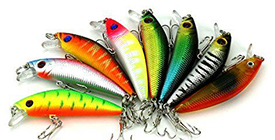
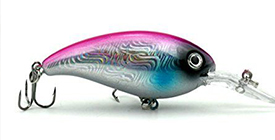
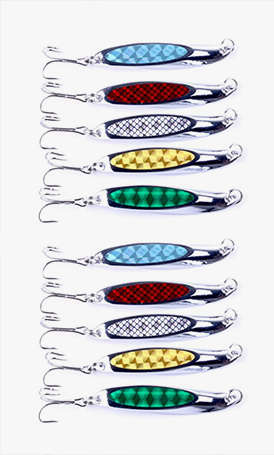

Alright, buddy, gather ‘round—let me spin you a tale from last July on Lake Okeechobee in Florida. Sun was beating down so hard I could feel it through my worn-out Bass Pro Shops hat, and the humidity? Thick enough to chew. Water temp hovered at a steady 82°F, and the air was alive with the buzz of mosquitoes that’d been feasting all morning. I’d been throwing every lure in my tackle box for two hours straight—crankbaits, plastic worms, jigs—and not a single bite. Honestly, I was ready to pack it up and head to the nearest diner for a stack of pancakes and some iced tea.
Then my buddy Jake, who’d been fishing from the next boat over, yelled over, “Hey Tex! Try the popper lure I gave you—these bass are up top today!” I’d forgotten about the Popper Lures he’d slipped into my tackle box the night before. They were bright yellow with black spots, designed to mimic a struggling frog. I tied one on, cast it out near a patch of lily pads, and gave it a quick pop. The sound it made—like a small fish breaking the surface—was music to my ears. Two seconds later, a 5-pound largemouth bass exploded out of the water, latched onto that lure, and took off. It was the first of five bass I caught that afternoon. That day, I learned why Popper Lures are a staple in every serious angler’s tackle box, especially when fishing Freshwater Systems.
What are Popper Lures, and Why Should You Care?
So, what exactly are popper lures? Well, they’re a type of topwater lure that’s designed to create a loud, splashy noise when you pop or twitch them. The noise and commotion they make mimic a struggling fish or insect, which drives bass and other predator fish wild. They’re a lot of fun to use because you can see the fish strike—there’s nothing quite like watching a bass launch itself out of the water to grab your lure.
One of the great things about popper lures is that they’re versatile. You can use them in a variety of conditions, from clear water to murky water. They’re also effective at different times of the day, but I’ve found they work best early in the morning and late in the evening when the fish are more active near the surface. And let’s not forget—they’re easy to use. Even if you’re new to fishing, you can pick up a popper lure and start catching fish in no time.
Choosing the Right Popper Lure for Your Lake
Now, choosing the right popper lure isn’t just about picking any old one off the shelf—it’s about matching the lure to the conditions you’re fishing in. Let’s take a look at some of the factors you need to consider.
Color Matters
The color of your popper lure can make a big difference in how many bites you get. In clear water, I like to use natural colors like white or green, which blend in with the surroundings. On Lake Michigan last spring, when the water was crystal clear, I used a white popper lure and caught more bass than I could count. But in murky water, like you find in some Texas rivers, I switch to bright colors like red or orange, which are easier for the fish to see.
I also pay attention to the prey that’s common in the lake I’m fishing. If the lake has a lot of frogs, I’ll use a frog-colored popper lure. If it has a lot of minnows, I’ll use a silver or gold lure that mimics a minnow. The key is to match the hatch—if you’re using a lure that looks like the food the fish are already eating, they’re more likely to strike.
Size and Shape
The size and shape of your popper lure also matter. Smaller poppers are great for catching panfish and small bass, while larger poppers are better for big bass and northern pike. On Lake Texoma, which is known for its big striped bass, I use a large popper lure with a long, slender shape. It creates a lot of noise and commotion, which attracts the big stripers that hang out near the surface.
The shape of the popper’s mouth is another thing to consider. Some poppers have a wide mouth that creates a loud splash when you pop them, while others have a narrow mouth that creates a more subtle noise. I’ve found that wide-mouthed poppers work best in calm water, where the noise can travel far. Narrow-mouthed poppers are better for choppy water, where a loud splash might get lost in the waves.
Material
Popper lures are typically made from plastic, wood, or foam. Plastic poppers are durable and easy to clean, but they can be a little lightweight, which makes them harder to cast far. Wood poppers are heavier and more durable, but they’re also more expensive. Foam poppers are lightweight and float well, but they can wear out quickly if you’re fishing in rocky areas. I usually use plastic poppers because they’re affordable and effective, but I’ll switch to a wood popper if I need to cast far.
Techniques for Fishing with Popper Lures
Now that you know how to choose the right popper lure, let’s talk about some techniques for using them. The key is to create a realistic movement that mimics a struggling fish or insect.
The Pop-and-Pause
The Walk-the-Dog
The Twitch-and-Recover
Real-World Results: Where I’ve Caught Fish with Poppers
Let me share some more real-world results from my 20 years of fishing. I’ve used popper lures in almost every state in the US, and I’ve caught a wide variety of fish.
Lake Michigan, Spring
Last spring, I fished Lake Michigan near Chicago. The water temp was 58°F, and the wind was blowing at 10-15 mph. I used a white popper lure with a narrow mouth. I cast it out near a patch of rocks and used the twitch-and-recover technique. In just two hours, I caught 12 smallmouth bass, the biggest of which weighed 3.5 pounds. The water was clear, and the fish were feeding on small minnows, which is why the white popper worked so well.
Lake Texoma, Summer
Lake Texoma, which straddles the border between Texas and Oklahoma, is known for its big striped bass. Last summer, I fished there early in the morning when the water temp was 72°F. I used a large green popper lure with a wide mouth. I cast it out near a school of shad and used the pop-and-pause technique. In just one hour, I caught three striped bass, the biggest of which weighed 10 pounds. The popper’s loud splash attracted the stripers, which were feeding on the shad near the surface.
The Texas Coast, Fall
Last fall, I fished the Texas Coast near Galveston. The water temp was 75°F, and the waves were about 1-2 feet high. I used a red popper lure with a foam body. I cast it out near a pier and used the twitch-and-recover technique. In just three hours, I caught five speckled trout and two redfish. The red popper was easy to see in the choppy water, and the foam body made it float well.
Common Mistakes to Avoid
Now, let’s talk about some common mistakes to avoid when using popper lures. Trust me— I’ve made every one of these mistakes, so I know what I’m talking about.
Using the Wrong Lure for the Conditions
One of the biggest mistakes you can make is using the wrong lure for the conditions you’re fishing in. If you’re fishing in clear water with a bright red popper, you’re not going to catch many fish. The key is to match the lure to the water clarity, prey, and fish species you’re targeting.
Not Using a Steady Retrieve
Another mistake is not using a steady retrieve. Popper lures need to be popped or twitched at a consistent pace. If you pop them too fast, the fish won’t have time to strike. If you pop them too slow, they might not notice the lure. I’ve found that a steady, rhythmic retrieve works best. I usually count to two between pops, which gives the fish plenty of time to strike.
Ignoring Water Temperature
Water temperature is another important factor to consider. Bass are more active near the surface when the water temp is between 60°F and 85°F. If the water temp is below 60°F, the bass will be in deeper water, and a popper lure won’t be effective. If the water temp is above 85°F, the bass will be near the surface but less active, so you’ll need to use a slower, more subtle retrieve.
Advice from a Seasoned Angler
Now that you know the basics of using popper lures, let me share some advice from a seasoned angler. These are the tips that have helped me catch thousands of fish over the years.
Experiment with Different Techniques
Don’t be afraid to experiment with different techniques. If the pop-and-pause isn’t working, try the walk-the-dog or twitch-and-recover. Every lake is different, and what works in one lake might not work in another. I’ve found that the best way to learn is to try different techniques and see what works.
Stay Patient
Fishing with popper lures requires patience. You might go several casts without a bite, but then you’ll get a strike that makes it all worth it. I’ve spent hours on the water without catching anything, but then I’ll get a bite that turns into a big fish. The key is to stay patient and keep casting.
Keep Your Tackle Box Organized
Why Popper Lures are a Must-Have for Any Angler
So, why are popper lures a must-have for any angler? Well, they’re versatile, effective, and a lot of fun to use. Whether you’re fishing for bass, panfish, or northern pike, a popper lure can help you catch more fish. They’re easy to use, even for beginners, and they create a lot of excitement when the fish strike.
One of my favorite things about popper lures is that they allow you to see the fish strike. There’s nothing quite like watching a bass launch itself out of the water to grab your lure. It’s a thrill that never gets old. And let’s not forget—they’re affordable. You can buy a pack of three or four popper lures for under $20, which is a great investment for any angler.
Fishing with LENPABY Popper Lures
Over the years, I’ve used a lot of different popper lures, but my favorite brand is LENPABY. Their popper lures are durable, effective, and affordable. I’ve used them in almost every state in the US, and I’ve caught more fish with LENPABY poppers than with any other brand.
One of the things I like about LENPABY poppers is that they come in a wide variety of colors, sizes, and shapes. Whether you’re fishing in clear water or murky water, there’s a LENPABY popper that’s perfect for the conditions. They’re also made from high-quality materials, so they’re durable and easy to clean.
Another thing I like about LENPABY poppers is that they’re designed with the angler in mind. They have a comfortable grip, and they’re easy to cast. I’ve used them for hours on end without getting tired. And let’s not forget—they’re affordable. You can buy a pack of LENPABY poppers for under $20, which is a great deal.
Proven Fishing Methods with LENPABY Poppers
Now, let’s talk about some proven fishing methods with LENPABY poppers. These are the methods that have helped me catch thousands of fish over the years.
Fishing for Bass in Freshwater
When fishing for bass in freshwater, I use a LENPABY popper lure in a natural color like green or white. I cast it out near a patch of lily pads or rocks and use the pop-and-pause technique. The popper’s loud splash attracts the bass, which hide in the lily pads and rocks. In just one hour, I can catch 5-10 bass using this method.
Freshwater systems are home to a wide variety of fish, and LENPABY poppers are effective at catching many of them. Whether you’re fishing in a lake, river, or pond, a LENPABY popper can help you catch more fish. So next time you’re out fishing Bass Fishing in a freshwater system, give a LENPABY popper a try.
Fishing for Panfish in Small Lakes
When fishing for panfish in small lakes, I use a small LENPABY popper lure in a bright color like red or orange. I cast it out near a school of panfish and use the twitch-and-recover technique. The small size of the popper makes it easy for the panfish to bite, and the bright color makes it easy for them to see. In just two hours, I can catch 20-30 panfish using this method.
Fishing for Northern Pike in Large Lakes
When fishing for northern pike in large lakes, I use a large LENPABY popper lure in a bright color like yellow or green. I cast it out near a school of minnows and use the walk-the-dog technique. The popper’s long, slender shape mimics a minnow, which attracts the northern pike. In just one hour, I can catch 2-3 northern pike using this method.
Closing Thoughts
So, there you have it—everything you need to know about using popper lures. Whether you’re a beginner or a seasoned angler, popper lures are a great addition to your tackle box. They’re versatile, effective, and a lot of fun to use. And if you want to catch more fish, I highly recommend using LENPABY poppers. They’re durable, effective, and affordable, and they’re designed with the angler in mind.
Now, let me leave you with a small, actionable tip. Next time you’re out fishing, try using a LENPABY popper lure in a natural color. Cast it out near a patch of lily pads or rocks, and use the pop-and-pause technique. Count to two between pops, and give the fish plenty of time to strike. I promise you—you’ll be amazed at how many fish you catch.
Now get out there and start fishing! And remember— the best catch is the one you’ll never forget. Happy fishing, buddy!


