






Metal Lures: A Texas Fisherman’s 20-Year Love Affair
Let me take you back to a crisp October morning on Lake Okeechobee, Florida — the kind where the mist hangs low over the water, and the air smells like damp earth and pine. I was 32 then, still green around the gills compared to the old-timers who’d been fishing these waters since the 70s. The water temp hovered around 68°F, and the bass were staging for their fall feed. I’d brought every lure in my tackle box, from fancy Soft Lures to loud Popper Lures. But nothing was hitting — not even a nibble. That’s when the guy in the boat next to me, a weathered Floridian with a white beard down to his chest, tossed me a small, shiny metal spoon. “Try this,” he said, his voice rough as sandpaper. “Works when nothing else does.”
Why Metal Lures Are My Go-To for Tough Days
That day on Okeechobee, I caught my biggest bass of the year — a 7-pounder that fought like a freight train — and I was hooked on metal lures for life. Now, after 20 years of fishing across the US, from Lake Texoma in Texas to Lake Michigan in the Midwest, I’ve learned that metal lures are the unsung heroes of the tackle box. They’re simple, durable, and deadly effective when other lures fail.
The Power of Reflection and Vibration
Metal lures work because they combine two key elements that drive fish crazy: reflection and vibration. The shiny metal surface mimics the scales of a dying baitfish, which is a easy meal for predatory species like bass, trout, and pike. And when you retrieve a metal lure, it creates a vibration that travels through the water, alerting fish to its presence even in murky conditions.
I remember fishing the Colorado River near Austin one summer when a sudden thunderstorm turned the water brown as mud. The bass had gone into hiding, and all my colorful soft plastics were getting ignored. Then I tied on a silver metal spoon and cast it near a fallen tree. The vibration cut through the murk, and within seconds, I felt a hard strike. That bass weighed 5 pounds — not huge, but a testament to the power of metal lures in bad conditions.
Versatility Across Different Species
One of the things I love most about metal lures is their versatility. They work for almost every freshwater species in the US. Here are a few examples:
- Bass: Try a 1/2-ounce gold spoon in weedy areas of Lake George in New York. The gold color stands out against the green vegetation, and the spoon’s erratic movement triggers strikes from largemouth and smallmouth alike.
- Trout: A tiny silver spinner works wonders in the Shenandoah River in Virginia. Cast it upstream and let it drift with the current — trout will often hit it as it passes by their hiding spots.
- Pike: A heavy metal spoon in the 1-ounce range is perfect for Lake Superior in Minnesota. The big, shiny surface catches the attention of trophy pike, and the spoon’s weight lets you cast far out into open water.
Common Mistakes to Avoid with Metal Lures
Even the best lures won’t work if you’re using them wrong. I’ve made my fair share of mistakes over the years. Here’s what to avoid:
Using the Wrong Size or Color
Size and color matter with metal lures. In clear water, use smaller, silver lures that mimic the local baitfish. In murky water, go with larger, gold lures that have more vibration and visibility. I once made the mistake of using a huge gold spoon in the clear water of Lake Tahoe — the trout were scared off by the bright color and big size. When I switched to a tiny silver spinner, I caught five trout in an hour.
Retrieving Too Fast or Too Slow
Finding the right retrieval speed is key with metal lures. In cold water, fish are less active, so you need to retrieve the lure slowly. In warm water, they’re more aggressive, so a faster retrieval works better. I learned this lesson the hard way on Lake Erie one spring. The water temp was 55°F, and I was retrieving my spoon as fast as I could. No bites. Then I slowed down, letting the spoon fall to the bottom and jigging it slowly. That’s when the walleye started hitting — hard.
Not Adjusting for Depth
Metal lures sink, so you need to adjust your retrieval to target the right depth. If you’re fishing shallow water near the shore, retrieve the lure quickly so it stays near the surface. If you’re fishing deeper water, let the lure sink to the bottom and then jig it up and down. I once fished Lake Mead in Nevada and tried to catch bass in 20 feet of water using a fast retrieve. Nothing happened. When I let the lure sink and jigged it slowly, I caught three bass in 10 minutes.
My Favorite Metal Lures and Where to Use Them
Over the years, I’ve tried hundreds of metal lures, but a few stand out as my favorites. Here are the ones I keep in my tackle box at all times:
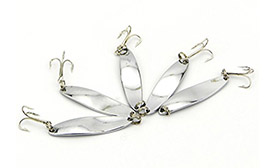
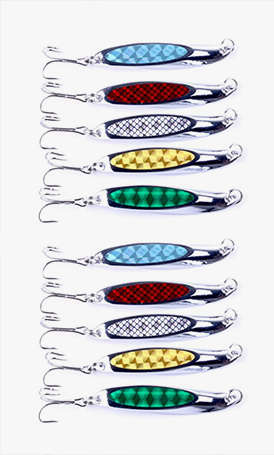
Silver Spoon Lure
This lure is my go-to for trout and bass in clear water. I use it in the Great Smoky Mountains National Park in Tennessee, where the water is crystal clear and the trout are skittish. The silver color mimics the local minnows, and the spoon’s erratic movement triggers strikes from even the wariest fish.
Gold Spoon Lure
The gold spoon is perfect for murky water and overcast days. I use it in the Mississippi River near Memphis, where the water is often brown and the bass are hard to find. The gold color stands out against the dark water, and the spoon’s vibration alerts fish to its presence.
Metal Spinner Lure
The metal spinner is great for covering a lot of water quickly. I use it in Lake Powell in Arizona, where the shoreline is miles long and you never know where the bass will be hiding. The spinner’s rotating blade creates a lot of flash and vibration, which attracts fish from a distance.
How to Rig and Retrieve Metal Lures
Rigging a metal lure is simple. Just tie it directly to your line using a knot like the Palomar or Uni knot. Avoid using swivels if possible — they can interfere with the lure’s action. Once the lure is tied on, it’s time to retrieve it.
Basic Retrieve
Start with a slow retrieve, letting the lure fall to the bottom and then lifting your rod tip up and down. This creates an erratic movement that mimics a dying baitfish. If you’re not getting bites, try speeding up or slowing down your retrieve until you find what works.
Jigging Retrieve
This retrieve is perfect for deep water. Cast the lure out and let it sink to the bottom. Then, lift your rod tip up sharply and let it fall back down. Repeat this process as you retrieve the lure. This creates a bounce that triggers strikes from fish hiding on the bottom.
Topwater Retrieve
Some metal lures can be retrieved on the surface for topwater strikes. Try this retrieve in early morning or late evening when the water is calm and the fish are feeding near the surface. Retrieve the lure slowly, letting it skip across the water’s surface like a skipping stone. I once caught a 6-pound bass on a topwater metal lure at Lake Travis in Austin — it was the most exciting bite of my life.
When to Replace Your Metal Lure
Metal lures are durable, but they don’t last forever. Here are a few signs that it’s time to replace your lure:
- The hooks are dull or rusted
- The metal surface is scratched or corroded
- The lure is bent out of shape
- You’re not getting bites even in good conditions
I once kept using a bent metal spoon for weeks because I was too lazy to replace it. I wasn’t catching anything, and I thought the fish had just stopped biting. Then I bought a new spoon, tied it on, and caught three bass in the first hour. Lesson learned — if your lure is damaged, replace it.
Final Thoughts
Metal lures may not be as flashy as some of the new soft plastics or poppers on the market, but they’re a staple in my tackle box. They work in almost every condition, for almost every species, and they’re built to last. Whether you’re a beginner or a seasoned pro, I recommend keeping a few metal lures on hand — you never know when they’ll save your day on the water.
Actionable Tip
Next time you’re out fishing and other lures aren’t working, try tying on a metal lure with a different color or size. Start with a slow retrieve and adjust your speed until you find what triggers strikes. You might be surprised by how effective this simple change can be.


