




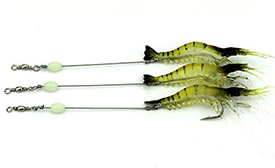
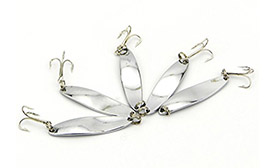

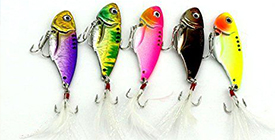
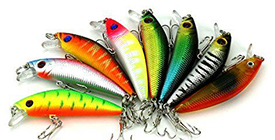
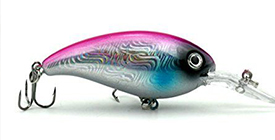
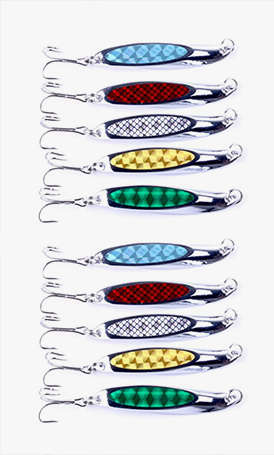

Let me tell you about the time I learned how valuable soft plastics can be on Lake Okeechobee. It was a hot, muggy morning in July—dew still glistening on my boat cover as I launched from Okeechobee’s Clewiston ramp at 4:30 a.m. The air was thick with the smell of damp earth and diesel, and a light breeze ruffled the dark water. I’d been fishing this lake for years, relying mostly on Hard Baits and Crank Lures to catch my share of bass. But that day, everything changed.
I started out casting a 3/8 oz bluegill-colored crankbait near the lily pads along the lake’s west shore. The sun began to peek over the palm trees, painting the water gold, but after an hour of casting, I’d only hooked one small bass. My frustration was growing—usually, the early morning bite here was red-hot. Water temp was 68°F, which should have been perfect for crankbaits. I decided to switch things up and try something I’d been ignoring for too long: soft plastics.
Why I Switched to Soft Plastics
Soft plastics aren’t as flashy as Hard Baits or Crank Lures, but that day, they made all the difference. I tied on a 5-inch watermelon red worm with a 1/4 oz Texas rig and cast it into a patch of submerged hydrilla near a fallen oak tree. On the third retrieve, I felt a soft tap—so subtle, I almost missed it. I set the hook, and my rod bent into a deep curve as a 4.5-pound largemouth fought for its life. That was the first of eight bass I caught that morning using soft plastics.
Since that day, I’ve made soft plastics a staple in my tackle box. They’re incredibly versatile—you can fish them fast or slow, shallow or deep. They mimic a wide range of natural forage, from worms and crawfish to minnows and frogs. And they’re cost-effective, which is a big plus for someone like me who goes through a lot of lures.
Different Types of Soft Plastics
There are so many different types of soft plastics out there, it can be overwhelming at first. Let me break down a few of my favorites and when to use them.
Worms
Worms are probably the most popular soft plastic out there—and for good reason. They’re simple to use and effective in almost any water condition. I prefer 4-6 inch worms in natural colors like watermelon, green pumpkin, and red. They work great on Texas rigs, Carolina rigs, and wacky rigs. I’ve caught bass on worms in lakes all across the US, from Lake Texoma in Texas to Lake Michigan in the Midwest.
One of my go-to worm rigs is the Texas rig. It’s weedless, so you can fish it in thick cover without getting snagged. To rig a worm Texas-style, slide a bullet weight onto your line, tie on a 3/0 or 4/0 offset hook, and thread the worm onto the hook, burying the point. Cast it near structure like rocks, stumps, or lily pads, and retrieve it slowly with a few twitches every few feet.
Crawfish
Crawfish are another staple in my tackle box. They’re a favorite food of bass, especially in rocky areas and rivers. I like to use crawfish imitations in colors like brown, red, and green pumpkin. They work great on Texas rigs, Carolina rigs, and jig trailers. I’ve had a lot of success fishing crawfish imitations in rivers like the Colorado River in Texas and the St. Johns River in Florida.
When fishing crawfish imitations, I like to bounce them along the bottom to mimic a real crawfish scurrying for cover. Water temp is crucial here—crawfish are most active when the water is between 60-75°F. I usually fish them in the early morning or late afternoon, when the bass are more likely to be feeding on the bottom.
Swimbaits
Swimbaits are great for mimicking minnows and shad. They have a tail that gives off a lot of action when retrieved. I prefer 3-5 inch swimbaits in silver, gold, and pearl colors. They work great on jig heads or weighted hooks. I’ve caught a lot of bass on swimbaits in lakes like Lake Okeechobee and Lake Texoma.
When fishing swimbaits, I like to retrieve them at a steady pace near the surface or midwater. They’re especially effective when the bass are feeding on schools of shad. I usually fish them in the late morning or early afternoon, when the water has warmed up a bit.
Frogs
Frogs are my go-to soft plastic when fishing in heavy vegetation. They’re weedless, so you can fish them over lily pads, hydrilla, and other thick cover without getting snagged. I like to use frogs in colors like green and brown. They work great on frog hooks. I’ve had a lot of success fishing frogs in lakes like Lake Okeechobee and the Everglades.
When fishing frogs, I like to retrieve them with a stop-and-go motion to mimic a real frog hopping across the surface. The bass will usually strike with a loud splash—you’ll feel it through your rod. I usually fish frogs in the early morning or late afternoon, when the bass are more likely to be feeding on the surface.
Fishing Techniques for Soft Plastics
There are a few key techniques I use when fishing soft plastics. Let me share them with you.
Texas Rig
The Texas rig is probably the most popular rig for soft plastics. It’s weedless, so you can fish it in thick cover. To rig a worm Texas-style, slide a bullet weight onto your line, tie on an offset hook, and thread the worm onto the hook, burying the point. Cast it near structure and retrieve it slowly with a few twitches every few feet.
I’ve had a lot of success using the Texas rig on Lake Texoma. I’ll cast it near submerged rocks and retrieve it slowly, bouncing it off the bottom. Water temp is usually around 65-70°F when I do this.
Carolina Rig
The Carolina rig is great for fishing in deep water. It has a sliding weight, so the bait moves more freely. To rig a Carolina rig, slide a bullet weight onto your line, followed by a swivel, then a leader, then your hook and bait. Cast it into deep water and retrieve it slowly.
I’ve used the Carolina rig to catch big bass on Lake Michigan. I’ll cast it into 20-30 feet of water and retrieve it slowly, feeling for the bottom. Water temp is usually around 60-65°F when I do this.
Wacky Rig
The wacky rig is a simple but effective rig for fishing worms. To rig a worm wacky-style, simply hook it through the middle. The worm will wiggle and flap as it falls, mimicking a dying baitfish. I usually use a 4-5 inch worm with this rig.
I’ve had a lot of success using the wacky rig on Lake Okeechobee. I’ll cast it into shallow water near lily pads and let it fall slowly. The bass will usually strike as the worm is falling.
Jig Trailers
Soft plastics also make great jig trailers. They add more action and scent to your jig, which makes it more attractive to bass. I like to use crawfish imitations or chunk trailers as jig trailers. They work great on jigs like the football jig and the flipping jig.
I’ve used jig trailers to catch big bass on the Colorado River in Texas. I’ll cast the jig into submerged rocks and retrieve it slowly, bouncing it off the bottom. Water temp is usually around 65-70°F when I do this.
Real-Life Fishing Stories
Let me share a few more real-life fishing stories that highlight the effectiveness of soft plastics.
One time, I was fishing on the Colorado River in Texas with my buddy Mike. We were using Hard Baits and Crank Lures, but we weren’t having any luck. Water temp was 72°F, and the sun was beating down. I decided to switch to a 5-inch green pumpkin worm with a Texas rig and cast it into a patch of submerged willows. On the second retrieve, I hooked a 5.2-pound largemouth. Mike saw what I caught and switched to a soft plastic too—he ended up catching a 4.8-pound largemouth.
Another time, I was fishing on Lake Michigan with my son Jake. We were targeting smallmouth bass in 30-40 feet of water. I was using a Carolina rig with a 4-inch watermelon worm, and Jake was using a Crank Lure. I caught three smallmouth bass in the first hour, while Jake only caught one. The bass were feeding on the bottom, and the soft plastic was more effective than the crankbait.
Common Mistakes to Avoid
Even the best fishermen make mistakes when fishing soft plastics. Here are a few common ones to avoid.
One of the biggest mistakes people make is using too heavy a weight. If your weight is too heavy, your soft plastic won’t move naturally through the water. This can turn off bass and reduce your chances of catching a fish. I usually use a 1/4 oz or 1/8 oz weight when fishing in shallow water, and a 3/8 oz or 1/2 oz weight when fishing in deep water.
Another common mistake is retrieving your soft plastic too fast. Bass are often more active when the water is cool, and they’ll hit a slow-moving bait more often. I usually retrieve my soft plastic at a steady pace with a few twitches every few feet.
Soft plastics are an essential part of any fisherman’s tackle box. They’re versatile, cost-effective, and incredibly effective at catching bass. From worms and crawfish to swimbaits and frogs, there’s a soft plastic for every fishing situation. I’ve learned through experience that soft plastics can outperform Hard Baits and Crank Lures in many scenarios, especially when the fishing is slow.
So next time you’re out on the water and not having any luck with your usual lures, give soft plastics a try. You might be surprised at how well they work. And if you’re looking for more information on fishing lures, be sure to check out Hard Baits and Crank Lures for other great options.
Actionable Tip: Before you head out fishing, take a few minutes to check the water temp and the weather. This will help you decide which type of soft plastic to use and how to fish it. For example, if the water temp is below 60°F, you’ll want to use a slow-moving bait like a worm or crawfish imitation. If the water temp is above 70°F, you’ll want to use a faster-moving bait like a swimbait or frog.


