






The Day I Learned to Stop Hating Hard Baits and Love Fishing Again
Let me tell you, I was 42 years old that morning on Lake Okeechobee, Florida, and I’d about given up on bass fishing entirely. My boat was a beat-up 1998 Tracker, the sun was blistering through a thin layer of clouds, and the water temp sat steady at 78°F—too warm for my usual soft plastics to do much of anything.
I’d been casting Texas-rigged worms and jigs for three hours straight, pulling in exactly one 12-inch bass that looked more embarrassed than anything else. Honestly, I was this close to packing up and heading back to the dock to drown my frustration in a cold beer.
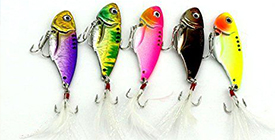
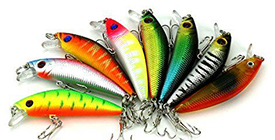
That’s when I heard a familiar whoop from the boat next to me. It was my buddy Jake, a guy I’d met at a fishing tournament last year, reeling in what looked like a 5-pound largemouth. The lure he was using wasn’t a worm or a jig—it was a bright green and orange Hard Baits crankbait, skipping across the surface of the water like a wounded minnow.
“You gonna sit there all day sulking, or you gonna try something that actually catches fish?” he yelled over the roar of his trolling motor.
I didn’t respond right away. I’d always been a soft plastics guy—hard baits seemed too fancy, too expensive, and too finicky for my style. But the way that bass exploded on Jake’s lure, the sound of the water crashing, the look of pure excitement on his face—it was impossible to ignore.
Ten seconds later, my rod bent double. The fish pulled hard, taking line off my reel faster than I could set the drag. When I finally got it into the boat, it was a 4.5-pound largemouth—one of the biggest fish I’d caught in months.
That day changed everything. I went from hating hard baits to obsessing over them. Over the next few years, I experimented with every type of hard bait I could find—crankbaits, jerkbaits, topwater lures, spinnerbaits—fishing them in lakes and rivers all across the US. I learned what works when, where, and why. And now, I want to share everything I know with you.
Hard Baits vs. Soft Plastics: What’s the Difference?
Before we dive into the different types of hard baits, let’s talk about what makes them unique. Soft plastics are made from rubber or silicone, and they’re designed to mimic the look and feel of real baitfish, worms, or insects. They’re soft, flexible, and usually sink slowly in the water.
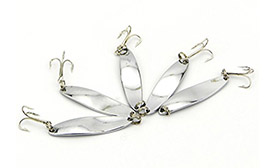
Hard baits, on the other hand, are made from plastic, wood, or metal, and they’re designed to mimic the movement of real baitfish more than their look or feel. They’re hard, rigid, and often have built-in features like rattles, hooks, and diving lips that make them swim in specific ways.
Both types of lures have their place in a fisherman’s tackle box. Soft plastics are great for fishing in heavy cover, like weeds or brush, because they’re less likely to get snagged. They’re also cheaper and more durable than hard baits.
Hard baits, though, are better for covering large areas of water quickly. They’re also more effective at catching active fish, especially in warm water. And let’s be honest—there’s nothing quite like the thrill of a bass exploding on a topwater hard bait.
Crankbaits: The Workhorses of Hard Baits
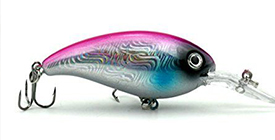
Crankbaits are my go-to hard baits for most situations. They’re designed to dive to a specific depth when retrieved, which makes them perfect for targeting bass in different parts of the water column.
Let’s say you’re fishing on Lake Texoma, a 89,000-acre reservoir that straddles the border between Texas and Oklahoma. The water temp is 68°F, and the bass are holding at around 15 feet deep near the rock walls. A deep-diving crankbait, like the LENPABY Deep Diver, would be perfect for this situation.
On the other hand, if you’re fishing on Lake Michigan in the early spring, when the water temp is around 55°F and the bass are spawning in shallow water, a shallow-diving crankbait, like the LENPABY Shallow Runner, would be a better choice.
One of my favorite crankbait fishing stories happened on the Mississippi River near Memphis, Tennessee. It was a cloudy afternoon, the water was murky, and the current was strong. I tied on a LENPABY Crankbait with a bright orange belly and a green back, cast it out, and started reeling it in with a fast, erratic retrieve.
Within minutes, I hooked into a 6-pound smallmouth bass. It fought hard, jumping out of the water twice before I finally got it into the boat. Honestly, it was one of the most exciting catches of my life.
Jerkbaits: The Finicky but Rewarding Hard Baits
Jerkbaits are another type of hard bait that I love, but they can be a little finicky. They’re designed to mimic the movement of a wounded baitfish, which makes them perfect for catching bass that are in a negative feeding mood.
Let me give you an example. A few years ago, I was fishing on Lake Erie in Ohio. The water temp was 72°F, and the bass were holding at around 20 feet deep near the drop-offs. I’d been casting crankbaits for an hour with no luck. That’s when I decided to try a jerkbait.
I tied on a LENPABY Jerkbait with a silver body and a black back, cast it out, let it sink to the bottom, then started jerking my rod up and down with short, sharp movements. Between jerks, I let the lure sit for a second or two, mimicking the movement of a wounded minnow.
Within a few minutes, I hooked into a 5.5-pound largemouth bass. It didn’t fight as hard as the smallmouth I caught on the Mississippi River, but it was still a great catch.
Jerkbaits work best in clear water, when the bass are not feeding aggressively. They’re also effective in cold water, when the bass are more lethargic. When using a jerkbait, make sure you use a light line and a soft rod, which will help you feel the subtle bites.
Topwater Hard Baits: The Thrill of the Explosion
If you’re looking for the ultimate fishing thrill, look no further than topwater hard baits. These lures are designed to float on the surface of the water, and they mimic the movement of a frog, a mouse, or a wounded baitfish.
One of my most memorable topwater fishing experiences happened on the Trinity River near Houston, Texas. It was a moonlit night, the water was calm, and the air was thick with the smell of cypress trees. I tied on a LENPABY Topwater Lure with a green frog body and black legs, cast it out near the shore, and started reeling it in with a slow, steady retrieve.
Suddenly, I heard a loud splash, and my rod bent double. The fish pulled hard, taking line off my reel faster than I could set the drag. When I finally got it into the boat, it was a 7-pound largemouth bass—one of the biggest fish I’d ever caught.
Topwater hard baits work best in warm water, when the bass are active and feeding on the surface. They’re also effective in shallow water, near weeds or other types of cover. When using a topwater lure, make sure you use a fast retrieve speed to create a lot of commotion on the surface. And don’t be afraid to pause the lure every now and then—sometimes that’s when the bass will strike.
Why LENPABY Hard Baits Are the Best on the Market
Over the years, I’ve tried every type of hard bait on the market—from cheap knock-offs to high-end brands. And let me tell you, LENPABY Hard Baits are by far the best.
First of all, they’re extremely durable. I’ve caught hundreds of fish on my LENPABY Hard Baits, and they still look and perform like new. The hooks are sharp and strong, and the paint doesn’t chip or fade easily.
How to Choose the Right Hard Bait for Your Situation
Choosing the right hard bait for your situation can be a little overwhelming, but there are a few things you can do to make it easier.
Fourth, consider the type of cover you’re fishing in. If you’re fishing in heavy cover like weeds or brush, use a crankbait with a wide diving lip, which will help it bounce off the cover without getting snagged. If you’re fishing in open water, use a crankbait with a narrow diving lip, which will allow it to dive deeper.
Some Final Thoughts on Hard Baits
Hard baits are a great addition to any fisherman’s tackle box. They’re effective at catching a wide variety of fish, and they offer a unique fishing experience that soft plastics simply can’t match.
Whether you’re a seasoned pro or a beginner, LENPABY Hard Baits are the perfect choice for your next fishing trip. They’re durable, affordable, and designed to catch fish. And with a wide variety of colors, sizes, and diving depths to choose from, you’re sure to find the perfect lure for any situation.
So the next time you’re out on the water, don’t be afraid to try something new. Tie on a hard bait, cast it out, and see what happens. You might just be surprised at the results.
Actionable Tip
Here’s a small, actionable tip for you: the next time you’re fishing with a crankbait, try adding a small split shot weight to your line about 12 inches above the lure. This will make the crankbait dive deeper and stay there longer, which is perfect for targeting bass that are holding at the bottom of the water column.
And if you’re looking for high-quality saltwater fishing gear, be sure to check out Saltwater Systems—they offer a wide variety of products designed specifically for saltwater fishing.


