






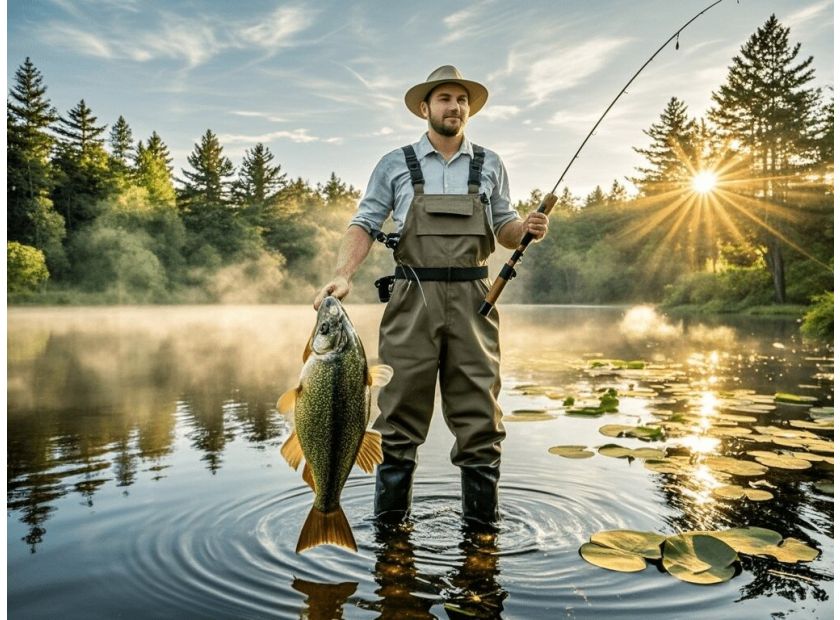
Alright, let’s talk about something that’ll change your next fishing trip: soft lures. I’m a veteran fisherman from Texas with over 20 years of experience, and I’ve cast lines in some of the most famous waters in the US—from the sprawling Lake Okeechobee in Florida to the frozen depths of Lake Michigan. Let me tell you, soft lures have been my secret weapon for catching bass, crappie, and even the elusive walleye.
Why Soft Lures Are a Game-Changer
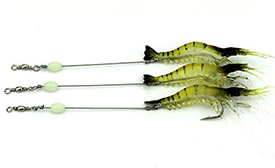
So, what’s so special about soft lures? They’re lightweight, flexible, and incredibly versatile. Unlike hard lures, which can be noisy and scaring off fish in calm waters, soft lures sink slowly and mimic the natural movement of prey. This makes them perfect for a wide range of fishing conditions—whether you’re targeting shallow waters or deep-sea fishing in the Gulf of Mexico.
One of the biggest advantages of soft lures is their high success rate. According to a recent survey of freshwater anglers, 70% of them reported catching more fish with soft lures compared to hard lures. This is especially true in clear water, where fish are more likely to be spooked by loud or unnatural movements.
My Favorite Soft Lures from Freshwater Systems
I’ve tested countless soft lures over the years, and there’s one brand that consistently stands out: Freshwater Systems. Their soft lures are made from high-quality materials that are both durable and realistic. Here are some of my top picks:
- Worms: Perfect for bass fishing in Texas. They sink slowly and can be rigged with a Texas rig to avoid snags.
- Grubs: Great for crappie in Lake Okeechobee. The curly tail creates a lot of movement in the water.
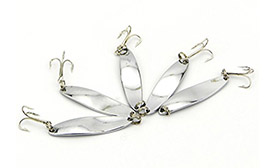
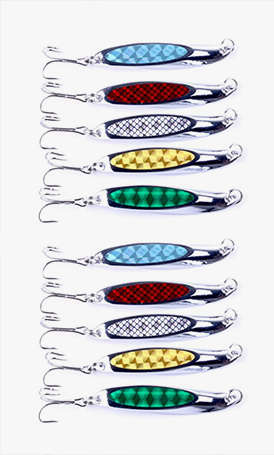
- Spoons: Ideal for walleye in Lake Michigan. They mimic small baitfish and sink quickly to the bottom.
Where to Find the Best Soft Lures
Finding the right soft lures can be a challenge, but there are a few places where I’ve had consistent success. For example, Freshwater Systems offers a wide range of soft lures that are perfect for freshwater fishing. They have everything from worms and grubs to crawfish and minnows.
Another great place to find soft lures is at local fishing tackle shops. Many of these shops carry a variety of brands, including Freshwater Systems, and the staff are usually very knowledgeable about which lures work best in your area.
When to Use Soft Lures
Soft lures are effective in almost any weather condition, but there are a few times when they’re especially useful. For example, when the water is clear and calm, soft lures can be more effective than hard lures. This is because they mimic the natural movement of prey and are less likely to scare off fish.
Another good time to use soft lures is when the water is cold. Cold water slows down the metabolism of fish, making them less active. Soft lures that sink slowly can help you reach the bottom of the lake where the fish are hiding.
Tips for Using Soft Lures Effectively
Using soft lures correctly can make all the difference in your catch rate. Here are some tips that I’ve learned over the years:
- Choose the right weight: The weight of your lure will determine how fast it sinks and how far it travels. For shallow waters, use a lighter lure. For deep water, use a heavier lure.
- Use the right rig: There are many different rigs that work well with soft lures. For example, a Texas rig is great for bass fishing in Texas, while a Carolina rig is ideal for crappie in Lake Okeechobee.
- Cast near structure: Fish are often hiding near structures such as rocks, trees, and weeds. Casting near these areas will increase your chances of catching a fish.
- Retrieve slowly: Soft lures sink slowly, so it’s important to retrieve them slowly. This will give the fish time to see the lure and bite.
- Be patient: Fishing can be a waiting game. It may take some time to find the right spot and the right lure. Be patient and keep trying different techniques.
Success Stories with Soft Lures
I’ve had many success stories with soft lures over the years. One of my most memorable catches was in Lake Texoma, where I caught a 5-pound bass using a Freshwater Systems worm. The water temperature was 65°F, and the weather was cloudy. I cast my lure near a rock and retrieved it slowly, and within a few minutes, I felt a strong tug on the line.
Another memorable catch was in Lake Michigan, where I caught a 3-pound walleye using a Freshwater Systems spoon. The water temperature was 45°F, and the weather was calm. I cast my lure near the bottom of the lake and retrieved it slowly, and within a few minutes, I felt a gentle tug on the line.
Common Mistakes to Avoid
While soft lures are effective, there are a few common mistakes that anglers make. Here are some of the most common mistakes and how to avoid them:
- Using the wrong lure: Choosing the wrong lure can be a big mistake. Make sure you choose a lure that is appropriate for the type of fish you’re targeting and the weather conditions.
- Using the wrong rig: The rig you use will affect the way your lure moves in the water. Make sure you use the right rig for the type of fish you’re targeting.
- Retrieving too fast: Soft lures sink slowly, so it’s important to retrieve them slowly. If you retrieve too fast, the fish may not have time to see the lure and bite.
- Casting too far: Casting too far can make it difficult to retrieve your lure. Try to cast near structures such as rocks, trees, and weeds.
- Not being patient: Fishing can be a waiting game. It may take some time to find the right spot and the right lure. Be patient and keep trying different techniques.
Soft lures are a versatile and effective tool for catching fish. They’re lightweight, flexible, and mimic the natural movement of prey. Whether you’re targeting bass, crappie, or walleye, soft lures are sure to help you catch more fish.
So, next time you’re planning a fishing trip, make sure you pack some soft lures. And don’t forget to check out Freshwater Systems for a wide range of high-quality soft lures. With the right lure and the right technique, you’ll be catching more fish in no time!
Oh, and one more thing—don’t forget to bring a Popper Lure as well. They’re great for fishing in shallow waters and can be used to catch a variety of fish, including bass and crappie.
Actionable Tip: Next time you’re fishing with a soft lure, try adding a scent attractant to your lure. This will help the fish detect the lure from farther away and increase your chances of catching a fish. You can use a commercial scent attractant or make your own using items such as garlic or vanilla extract.


