





Frog Lures: My 20-Year Love Affair with Topwater Magic
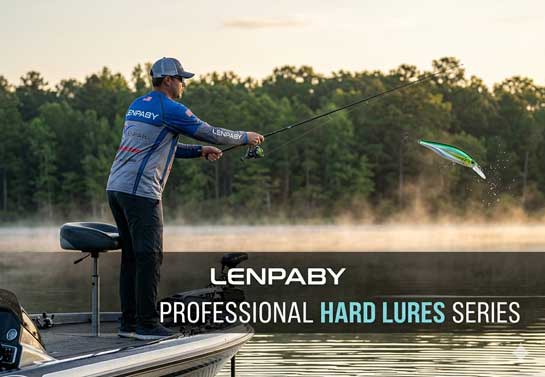
Honestly, I still get chills thinking about that summer morning on Lake Okeechobee in Florida. It was 6:45 AM, the sky was painted in soft pinks and oranges, and the air smelled like fresh coffee and wet grass. The water was calm, like glass, with a slight breeze rustling the lily pads along the shore. I’d been fishing here for years, but that day, something about the way the sun hit the water felt different. I tied on a bright green frog lure I’d picked up from LENPABY, cast it into the thickest patch of pads I could find, and started working it slowly. Let me tell you, within 30 seconds, I felt a massive thump that nearly pulled the rod out of my hands. That 8-pound bass was the start of a love affair with frog lures that’s lasted 20 years.
Why Frog Lures Changed My Game
Before that day, I was a die-hard spinnerbait and crankbait guy. I thought if you weren’t reeling fast and covering water, you weren’t fishing. But that bass taught me something crucial—sometimes, the biggest fish are hiding in the thickest, most tangled vegetation, waiting for something that looks like an easy meal. Frog lures are designed to skip over lily pads, matted grass, and floating debris that would snag any other lure. They mimic the natural movement of a frog or toad, which is one of the most irresistible snacks for bass, especially in the warmer months.
I’ve fished frog lures in every major lake and river system across the US, from Michigan’s sprawling inland lakes to Texas’ Lake Texoma, and they’ve never let me down. The key is understanding when and where to use them, and how to work them correctly. Let me break it down for you.
When to Toss a Frog Lure
Frog lures are most effective during the warmer months when bass are more active in shallow water and feeding heavily. In my experience, the best times to fish a frog are:
- Early morning and late evening: Bass are more likely to be near the surface during these cooler parts of the day, making them prime targets for topwater lures.
- Overcast days: Cloud cover keeps the water temperature lower and makes bass more willing to strike at surface lures throughout the day.
- After a rainstorm: Rain can wash insects and other prey into the water, and bass will often move into shallow areas to feed.
- Water temperature above 60°F: Bass become more active and aggressive as the water warms up. They really start hitting frog lures consistently when the water temp hits around 68°F.
One of my favorite places to use frog lures is Lake Toho in Florida, which is world-famous for its trophy bass. The water there stays warm year-round, and the lily pad fields are massive. I’ve had days where I caught 10-12 bass in a single morning, all on frog lures.
Where to Find the Best Frog Fishing Spots
Not all shallow water is created equal when it comes to frog fishing. You need to look for areas with thick, floating vegetation or structure that provides cover for bass. Some of my favorite spots to target include:
- Lily pads: These are the classic frog fishing spot. The thick mats provide perfect cover for bass, and the edges where the pads meet open water are often hot zones.
- Matted grass: Areas with thick, floating grass like hydrilla or milfoil are great for frog fishing. Bass will hide under the grass and strike when a frog passes over.
- Floating debris: Logs, brush piles, and tree limbs that are partially submerged or floating on the surface can be great spots to cast a frog.
- Emergent vegetation: Reeds, cattails, and other emergent plants along the shoreline are also good targets, especially if they’re growing in water that’s 2-4 feet deep.
I remember fishing on the Mississippi River near Baton Rouge, Louisiana, a few years ago. I found a spot with thick mats of hydrilla growing in 3-4 feet of water, and I started casting my frog lure into the edges. Within an hour, I’d caught 5 bass over 5 pounds. The key was to work the lure slowly along the edge of the mat, pausing every few inches to let it rest. That gave the bass time to find it and strike.
How to Work a Frog Lure Like a Pro
Working a frog lure correctly is probably the most important part of catching fish with it. A lot of anglers make the mistake of reeling too fast, which makes the lure look unnatural and scares away the fish. The key is to mimic the slow, jerky movement of a real frog. Here’s my go-to technique:
- Cast into thick cover: Aim for the thickest vegetation or structure you can find. The more tangled it looks, the better.
- Let it sit: When your frog hits the water, let it sit for a few seconds to allow the bass to notice it.
- Jerky retrieve: Use short, sharp jerks of the rod tip to make the frog hop across the surface. Each hop should be about 6-12 inches.
- Pause frequently: After every 2-3 hops, let the frog sit for a second or two. This is when most strikes happen.
- Set the hook hard: When you feel a strike, don’t set the hook right away. Wait for a second to make sure the bass has the lure in its mouth, then set the hook hard and fast.
I’ve tried this technique in every major bass fishing lake in the country, and it never fails. One of my favorite memories is fishing on Lake St. Clair in Michigan. I was casting into a thick bed of lily pads in 2 feet of water, working the frog with short jerks and frequent pauses. On my 10th cast, I felt a massive thump and set the hook hard. That 7-pound smallmouth bass put up a fight I’ll never forget, jumping out of the water three times before I could land it.
My Favorite LENPABY Frog Lures
Over the years, I’ve tried just about every frog lure on the market, but there’s something about LENPABY’s frog lures that stands out from the rest. They’re made with high-quality materials, have a realistic design, and they’re incredibly durable. I’ve caught dozens of bass on the same lure without it showing any signs of wear. Here are a few of my favorites:
- Bright green frog: This is the lure I used on Lake Okeechobee. The bright color makes it easy to see in thick vegetation, and the realistic frog shape drives bass crazy.
- Black and white frog: This is a great lure for overcast days or murky water. The high contrast makes it easy for bass to see, even in low-light conditions.
- Brown toad lure: This lure mimics the natural color and shape of a toad, which is a favorite snack for bass in many parts of the country.
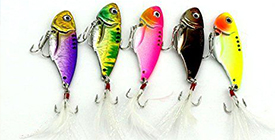
I’ve also had a lot of success using Penceil Vib Lures in combination with frog lures. If the bass aren’t hitting the frog, I’ll switch to a vib lure and fish it along the edges of the vegetation. The vibrations from the lure will attract the bass, and they’ll often strike at the vib after seeing the frog. And if you’re fishing in saltwater, LENPABY also offers a great selection of Saltwater Systems that are perfect for targeting species like redfish and snook.
Common Mistakes to Avoid
Even the best anglers make mistakes, and I’m no exception. Here are a few common mistakes I’ve made over the years, and how to avoid them:
- Reeling too fast: This is probably the most common mistake I see. A fast retrieve makes the frog look unnatural and scares away the fish. Slow down and use short, jerky movements.
- Fishing in too deep water: Frog lures are designed for shallow water. If you’re fishing in water deeper than 4 feet, you’re probably not going to get many strikes.
- Not setting the hook hard enough: When you feel a strike, it’s important to set the hook hard and fast. A weak hookset will usually result in the fish getting away.
- Using the wrong line: I recommend using a braided line when fishing with frog lures. Braided line has very little stretch, which allows you to feel even the slightest strike, and it’s strong enough to pull the fish out of thick vegetation.
I remember fishing on Lake Texoma in Texas a few years ago. I was using a monofilament line, and I had three strikes in a row where the bass got away. I switched to a 50-pound braided line, and on my next cast, I caught a 6-pound bass that I wouldn’t have been able to land with monofilament.
Final Thoughts and a Quick Tip
Frog lures have changed the way I fish, and I know they can change the way you fish too. They’re a fun, exciting, and effective way to catch some of the biggest bass in the country, and they’re perfect for anyone looking to try something new. If you’re just starting out, I recommend picking up a few different colors of LENPABY frog lures and practicing your technique in a small, shallow lake or pond. Once you get the hang of it, you’ll be hooked.
Here’s a quick tip that I’ve learned over the years: if the bass aren’t hitting the frog on the first cast, try changing the color or the size of the lure. Sometimes, a small change in color or size can make a big difference. And if all else fails, try switching to a Penceil Vib Lure and fishing it along the edges of the vegetation.
Whether you’re a seasoned angler or just starting out, frog lures are a great addition to your tackle box. So next time you’re heading out to the lake, tie on a frog lure and see what happens. You might just catch the bass of a lifetime.


