






Let me set the scene for you. It was last June on Lake Okeechobee, the big water down in Florida. The sun was beating down, humidity thick enough to swim in, and the bass were hiding in the thick, mucky vegetation along the shore. Water temp sat at a toasty 82°F, and I’d been throwing hard baits all morning—crankbaits, jigs, even a topwater popper—but nothing was hitting. Frustration was setting in; I’d driven eight hours from my home in Texas for this trip, and the fish were nowhere to be found.
That’s when my buddy Jake, who’s fished Okeechobee for decades, handed me a Soft Lure I’d never seen before—long, ribbon-tail style, in a bluegill pattern. “Try this,” he said, grinning. “They’re buried in the pads today.” I tied it on my spinning rod, cast it into the thickest bunch of lily pads I could see, and let it sink for a second. When I twitched it gently, the tail fluttered like a dying minnow. In an instant, a three-pound largemouth exploded out of the water, and I was hooked—both literally and figuratively.
Why Soft Lures Changed My Fishing Game
After that trip to Okeechobee, I went back home and started testing every soft lure I could get my hands on. I fished them in lakes across the US—from the clear, cold waters of Lake Michigan to the murky bays of Lake Texoma in Texas—and I was amazed at how versatile they were. Bass Fishing was never the same again; soft lures became my go-to bait for almost every situation.
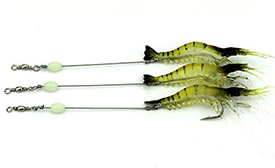
What makes soft lures so special? For one thing, they’re incredibly lifelike. The best ones have realistic textures and movements that mimic the natural prey of bass, like minnows, crawfish, or worms. They also come in a wide range of sizes, shapes, and colors, so you can match them to whatever the fish are feeding on that day.
Another big advantage is their weight. Soft lures are typically lightweight, which means they fall slowly through the water column. This gives bass more time to see and strike the bait, which is especially important in clear water. You can also rig them in a variety of ways—weedless for vegetation, Texas-rigged for structure, or wacky-rigged for open water—making them adaptable to almost any fishing condition.
My Favorite Soft Lure Rigging Techniques
Over the years, I’ve developed a few rigging techniques that work better for me than others. Let’s start with the Texas rig—my go-to for thick vegetation like the pads on Okeechobee. To rig a soft lure Texas-style, you slide a bullet weight onto your line, tie on a hook, and bury the hook point into the body of the lure. This makes it weedless, so you can cast it into thick cover without getting snagged.
Another technique I love is the wacky rig. This involves hooking the lure through the middle, which causes it to fall with a wobbly, erratic action. I use this rig in clear, open water, where bass are more likely to be cruising for food. It’s especially effective early in the morning when the water is still cool.
For deeper water, I like the Carolina rig. This uses a swivel to separate a heavy weight from the lure, which allows it to fall slowly to the bottom. I’ve used this rig successfully in Lake Michigan, where water temps hover around 55°F in the spring. The slow, steady motion of the lure is perfect for enticing bass that are still in their pre-spawn mode.
Real-World Success Stories
Another time, I was fishing a small lake in Texas—Lake Travis—on a hot July afternoon. The water temp was 86°F, and the bass were hiding in the shade of the trees along the shore. I rigged a soft lure in a watermelon color wacky-style and cast it into the shade. After a few twitches, a bass hit it, and I reeled in a 3-pound largemouth. I caught five more bass that afternoon using the same technique.
Common Mistakes to Avoid
Soft lures are incredibly effective, but there are a few common mistakes that can ruin your day on the water. One of the biggest mistakes is not matching the size of the lure to the size of the fish. If you’re fishing for small bass, use a small lure; if you’re targeting big bass, use a larger one. Another mistake is using the wrong color. Pay attention to the natural prey in the lake—if the water is clear, use a natural color like green or brown; if it’s murky, use a bright color like chartreuse or pink.
I also see a lot of anglers using the wrong weight. Soft lures are lightweight, so using a weight that’s too heavy will cause them to fall too fast, which can scare off bass. Start with a light weight—like 1/8 or 1/4 ounce—and adjust as needed based on the depth of the water.
My Top Soft Lure Recommendations
After testing hundreds of soft lures over the years, I’ve narrowed it down to a few favorites. Let’s start with the ribbon-tail worm. I’ve caught more bass on this lure than any other. The tail flutters in the water with just a slight twitch, and it comes in a variety of colors—my go-to is bluegill or watermelon.
Another favorite is the crawfish-style soft lure. This lure is perfect for fishing around rocks or structure, where bass are likely to be hiding. The realistic texture and movement make it look just like a real crawfish, and it comes in colors like red, brown, and green.
For wacky rigging, I love the stickbait-style soft lure. This lure has a straight, cylindrical shape that falls with a wobbly, erratic action. I use it in clear water, and it works especially well early in the morning when the bass are active.
The Future of Soft Lures
Soft lures have come a long way in the last 20 years. The materials used to make them have improved, making them more durable and lifelike. Manufacturers are also using new technologies—like scent infusion—to make soft lures even more effective. Who knows what the future holds for soft lures? Maybe they’ll be even more lifelike, or they’ll come with built-in lights to attract fish in deep water.
One thing is for sure—soft lures are here to stay. They’re incredibly effective, versatile, and easy to use, which makes them a favorite among anglers of all skill levels. Whether you’re a seasoned pro or just starting out, soft lures are a must-have in your tackle box.
Final Thoughts
After that trip to Okeechobee, I went back home and started testing every soft lure I could get my hands on. I fished them in lakes across the US—from the clear, cold waters of Lake Michigan to the murky bays of Lake Texoma in Texas—and I was amazed at how versatile they were. Bass Fishing was never the same again; soft lures became my go-to bait for almost every situation.
So, the next time you’re out on the water, give soft lures a try. You might be surprised at how effective they are. And if you need some recommendations for the best soft lures on the market, check out Bass Fishing or Soft Lures. You won’t be disappointed.
Actionable Tip
Next time you go fishing, try rigging a soft lure in a watermelon color wacky-style and cast it near the shore in the early morning. Let it fall slowly, and twitch it gently every few seconds. You’ll be amazed at how many bass hit it.


