




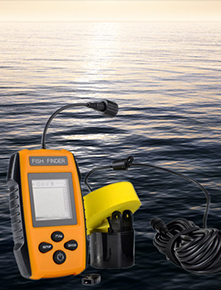
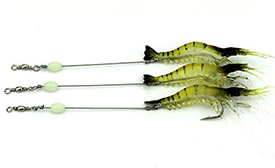
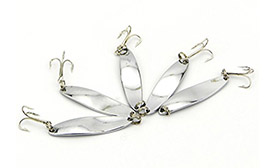
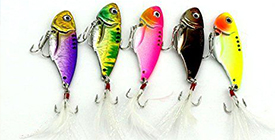
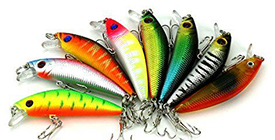
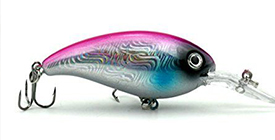
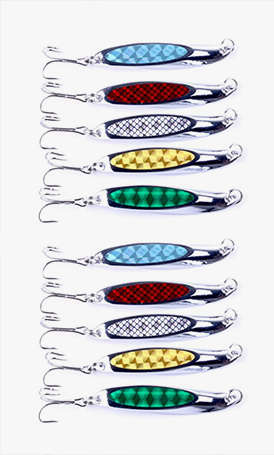

Let me tell you about the time I almost gave up on metal lures. It was early October at Lake Okeechobee, and the air smelled like damp earth and pine. The wind was cutting through my flannel, and the water sat at a crisp 62°F. I’d been casting for three hours straight—switching between plastics, jigs, and even a topwater popper—but the bass were just ignoring me. Honestly, I was this close to packing up my gear and heading home. Then, a buddy I’d met at the bait shop wandered over. “Try this,” he said, tossing me a Fishing Set that had a shiny metal vibe in it. “It’s called a pencil vib lure. They’re killing it in the cooler water right now.” I didn’t have much hope, but I tied it on anyway.
On my third cast, I let the lure sink for a count of five, then started a slow, steady retrieve. Halfway back to the boat, the line went tight. I set the hook, and that bass fought like it was defending its last meal. When I finally reeled it in, it was a solid 4-pounder—green and gold, with a jaw that looked like it could crush a beer can. That day, I ended up catching seven more bass, all on that metal lure. I haven’t left home without one since. If you’ve ever felt frustrated by lures that just don’t seem to work when the bite’s tough, stick around. I’m going to break down why metal lures like the Penceil Vib Lures are game-changers, where to use them, and how to fish them right.
Why Metal Lures Win When the Bite’s Tough
Metal lures aren’t flashy like some of the new plastics on the market, but they get the job done when nothing else will. Here’s what makes them so effective. First off, they have incredible density. That means they sink fast, so you can get to the fish that are holding deep when the water’s cold—like the bass at Okeechobee that day. A lot of other lures take forever to reach the strike zone, but a metal vibe hits it in seconds.
Another huge advantage is their vibration. Those Penceil Vib Lures put off a strong, consistent thrum in the water. Fish rely on their lateral lines to detect movement, especially when the water’s murky or the light is low. A metal lure’s vibration cuts through all that noise and lets fish know there’s something worth checking out. I’ve fished them on overcast days at Lake Michigan, and the bass hit them like they were starving—even when you could barely see your hand in front of your face.
Where to Throw Metal Lures: From Lakes to Rivers
Another spot I love is rocky river bottoms in the Ozarks, Missouri. The water here is clear, fast-moving, and loaded with smallmouth bass. I’ll use a lighter Fishing Set with a smaller metal vibe so it doesn’t sink too fast. The key is to cast upstream and let the lure drift naturally with the current, bouncing off the rocks. Smallmouths love to hide behind boulders waiting for prey to drift by, and the vibration from the metal lure triggers their instinct to strike. I’ve had days where I’ve caught 20+ smallmouths this way—most of them hitting the lure as it bounced off a rock.
Finding the Right Depth for Your Lure
Fishing Techniques That Actually Work
Using a metal lure isn’t rocket science, but there are a few tricks that will help you catch more fish. Let’s start with the slow retrieve. This is my go-to for cold water. Like that day at Okeechobee, when the water was 62°F, a slow, steady retrieve lets the vibration carry further through the water. The bass don’t have the energy to chase fast-moving lures, so they’ll strike at something that’s easy to catch. I’ll also throw in an occasional pause. When you stop the retrieve, the lure will flutter to the bottom, which mimics a wounded baitfish. That’s when the big bass often hit—they think it’s an easy meal.
For warmer water, try a faster retrieve with twitches. This works great for chasing schooling fish like bluegill or crappie at Lake Sam Rayburn, Texas. When the water temp hits 80°F in summer, these fish will be feeding on the surface. I’ll use a lightweight Fishing Set with a small metal vibe and retrieve it quickly, jerking the rod tip every few seconds. The combination of speed and vibration triggers a feeding frenzy. I’ve had days where I’ve caught 30+ bluegill in an hour this way.
Paying Attention to Time of Day
The time of day also matters when using metal lures. Early morning and late evening are my favorite times to fish them. At first light, the water’s cooler, and the fish are more active. I’ll use a dark-colored metal vibe (like black or blue) so it stands out against the low light. In the evening, the water’s still warm, but the sun’s lower, so I’ll switch to a silver or gold lure to reflect the light. I learned this lesson at Lake Tahoe, California. One evening, I switched from a dark lure to a silver one right before sunset, and I caught five trout in 15 minutes. The reflection of the sunset off the metal lure was like a dinner bell for them.
My Favorite Metal Lure Setups
You don’t need fancy gear to fish with metal lures, but having the right setup will make a huge difference. Let’s start with rods. A medium-heavy casting rod with fast action is ideal for most situations. The fast action lets you feel even the lightest bites, and the medium-heavy power gives you the strength to reel in big fish. I use a 7-foot rod from a Fishing Set that I’ve had for years—it’s never let me down.
For reels, I prefer a baitcasting reel with a high gear ratio—something around 7:1. This lets you reel in the lure quickly when you need to, which is great for warm water fishing. For the line, I use 12-pound fluorocarbon for freshwater and 20-pound braided line for saltwater. Fluorocarbon is almost invisible in the water, which is important when the fish are spooky. Braided line has no stretch, so you’ll feel every bite and set the hook faster. I’ll also use a swivel to prevent the line from twisting—metal lures can spin when you retrieve them, which causes tangles.
When it comes to the lures themselves, I like to keep things simple. I always carry a Fishing Set that has a few different sizes and colors. My go-to colors are silver, gold, and black. Silver works in clear water, gold in murky water, and black in low light. I’ve also had success with red and blue lures in stained water. For size, I’ll use a 1/2-ounce lure for most freshwater situations and a 1-ounce lure for saltwater. Let me give you an example from my time at the Gulf of Mexico, Florida. When I’m fishing for redfish in shallow water, I’ll use a 3/4-ounce gold metal vibe—it stands out against the sand and triggers aggressive strikes.
The Mistakes I’ve Made (So You Don’t Have To)
Another mistake is not paying attention to the retrieve speed. At Lake Powell, Arizona, I was fishing for striped bass in 20 feet of water. I was retrieving the lure too fast, and I wasn’t getting any bites. A guide I was fishing with told me to slow down. When I did, I caught three stripers in 10 minutes. The slower retrieve let the vibration carry further, and the bass had time to react. Sometimes, the slower you go, the more fish you’ll catch.
Final Thoughts and an Actionable Tip
Metal lures aren’t the sexiest lures on the market, but they’re some of the most effective. They work in all kinds of water conditions, from cold lakes to fast-moving rivers. They can catch everything from bass to walleye to redfish. And they’re durable—you can use them over and over without worrying about them breaking. If you’re tired of lures that only work when the bite’s hot, give metal lures a try. I promise you won’t be disappointed.
Here’s a small, actionable tip to help you get started: Next time you’re out fishing and the bite’s tough, tie on a metal vibe lure. Let it sink to the depth where you think the fish are holding, then use a slow, steady retrieve with an occasional pause. Pay attention to the line—if it goes tight or starts moving to the side, set the hook hard. I’ve used this tip hundreds of times, and it’s never let me down. Trust me—you’ll be amazed at how many fish you catch.


