






That Brutal Day on Lake Okeechobee That Changed How I Fish Soft Plastics
Let me tell you, August of 2019 on Florida’s Lake Okeechobee was hotter than a two-dollar pistol left in the bed of a pickup truck. The sun wasn’t even up at 4:30 a.m., but the humidity hit my face like a wet towel. A steady south wind pushed thick, soupy air across the lake, and by 7 a.m., the water temp was already sitting at 82°F—murky, algae-green, and thick enough to walk on if you tried hard enough. My buddy Jake and I had been catching big bass on Hard Baits earlier in the year, but today? Those lures might as well have been made of concrete. We threw topwaters, crankbaits, jerkbaits—every hard bait in our boxes—and didn’t get so much as a single bump for three straight hours.
I was starting to think we’d drive home with empty livewells and sunburns so bad our wives would laugh us out of the house. Then, about a hundred yards off the shore of the Kissimmee River arm, Jake tied on a 4-inch senko in watermelon red flake and cast it straight into a patch of submerged hydrilla. Two seconds after it hit the water, the rod tip bent so hard it looked like it was going to snap, and a 5-pound bass erupted from the weeds. That fish didn’t just change our day—it changed how I approach every fishing trip in hot, murky water. Now, I’ll never hit the lake without a box of soft plastics.
Why Soft Plastics Are My Go-To for Tough Fishing Days
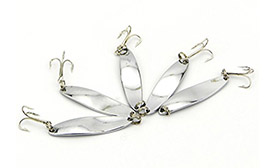
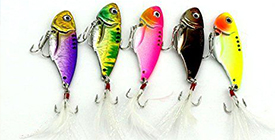
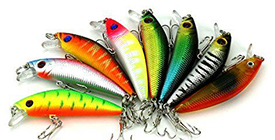
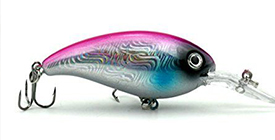
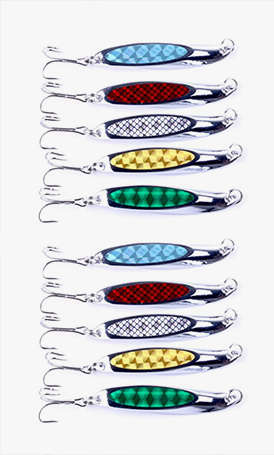
Jake and I ended up catching 14 bass that day on that same senko, including a 6.2-pounder that still gives me chills when I think about it. The sun climbed higher, the water temp crested at 86°F, and we didn’t touch another hard bait. That’s when I realized soft plastics aren’t just backup lures—they’re the heavy hitters when other baits quit working. Unlike Metal Lures or hard baits, which rely on flash and vibration to attract fish, soft plastics have a natural, lifelike feel in the water that even pressured bass can’t resist. That day on Okeechobee taught me three things: soft plastics work when nothing else does, you don’t need to spend a fortune on them, and the right technique can turn a terrible day into an unforgettable one.
Since then, I’ve tested soft plastics in every type of water across the US—from the cold, clear lakes of northern Michigan to the warm, murky rivers of Texas. I’ve learned that while the basics of fishing soft plastics are simple, there are a few key techniques that can make all the difference. Let’s break them down.
Mastering the Wacky Rig for Clear, Cold Water
Last October, I was fishing Lake Michigan near Charlevoix with my son, Tommy. The water temp was 54°F, so clear you could see the bottom 15 feet down, and the bass were huddled near submerged rock piles, holding tight to cover. I tried a few hard baits at first—crankbaits and jerkbaits—but the fish were spooky, and we only got a couple of half-hearted bites. Then I tied on a wacky rig with a 5-inch stick worm in green pumpkin, and everything changed.
Wacky rigging is the most basic soft plastic technique, and it’s perfect for clear, cold water. Here’s what I do: I hook the stick worm through the middle, so both ends dangle freely when it hits the water. Then I cast it near the rock piles, let it sink slowly, and watch the line. If it starts moving to the side, or if the line goes slack, I set the hook hard. That day, Tommy caught his first Michigan bass—a 3.8-pounder—on the wacky rig, and we ended up with 11 fish in total. The key is to be patient. In cold water, bass don’t chase lures—they wait for them to come to them, and the slow, natural fall of a wacky rig is exactly what they’re looking for.
Flipping and Pitching into Heavy Cover in Texas
Back home in Texas, on Lake Texoma, we have plenty of heavy cover—thick stands of cypress trees, submerged logs, and cattails that grow so dense you can’t see three feet in front of your boat. In water temps between 68°F and 75°F, bass stack up under these structures, and flipping or pitching is the only way to get your bait in front of them without spooking the school. I learned this the hard way a few years ago when I tried to cast a crankbait into a stand of cypress trees and ended up getting snagged every time I reeled in.
Flipping and pitching are both techniques for getting soft plastics into tight spaces, but they’re slightly different. When I’m flipping, I grab the line with my free hand, let out about 10 feet of line, and swing the bait into the cover. Pitching is similar, but I use a short underhand cast instead of a swing. Either way, the goal is to get your bait into the bass’ hiding spot without making a big splash. My go-to bait for this is a 3/8-ounce Texas-rigged crawfish in junebug. The crawfish has pinchers that look real, and the junebug color matches the water in Texoma perfectly—dark enough to stand out, but not so bright that it scares the fish.
Jigging for Winter Bass on Oklahoma’s Grand Lake
In February of 2021, I traveled to Grand Lake in northeastern Oklahoma to fish with a friend named Rick. The water temp was 48°F, the sky was gray, and a light mist was falling. Rick is a tournament fisherman, and he had spent weeks perfecting his soft plastic jigging technique for winter bass. He told me that during the winter, bass move to deep water near drop-offs, and jigging a soft plastic is the best way to reach them. I was skeptical at first—how could a soft plastic attract fish in 48°F water?—but Rick proved me wrong.
Here’s how we did it: We anchored our boat 50 feet from a drop-off that went from 25 feet to 45 feet. Rick tied on a 1/2-ounce jig with a 5-inch green pumpkin plastic trailer. He cast it out, let it sink to the bottom, and then started jigging it slowly—jerking the rod tip up 6-12 inches, then letting it fall back to the bottom. We watched the line intently, and every time it twitched or moved to the side, we set the hook. That day, we caught 12 bass, including a 5.5-pounder that Rick caught on his 17th jigging stroke. Now, I’ll never dismiss soft plastics in winter water. They might not be the first thing I think of, but they work when nothing else does.
Soft Plastics That Work in Every Type of Water
If I had to pick only five soft plastics to fish with for the rest of my life, these would be them. They work in every type of water, from clear and cold to murky and hot, and they’re all reasonably priced. You don’t need to spend $10 on a single soft plastic to catch big fish—these $2-$3 baits work just as well.
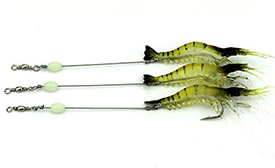
- Watermelon red flake senko: My go-to for hot, murky water like Lake Okeechobee. The watermelon color blends in with the weeds, and the red flake adds a little flash that attracts bass. Perfect for Texas rigging, Carolina rigging, or just casting and letting it sink.
- Green pumpkin stick worm: The most versatile soft plastic I own. Works in clear, cold water like Lake Michigan, murky water like Lake Texoma, and everything in between. I use it for wacky rigging, Texas rigging, and even as a trailer on my Metal Lures.
- Junebug crawfish: Great for flipping and pitching into heavy cover. The junebug color matches the dark water in many US lakes and rivers, and the crawfish’s pinchers look so real you’d think they’re alive. I use it with a 3/8-ounce Texas rig.
- Pearl white grub: Perfect for fishing in clear, cold water. The pearl white color reflects light, which helps bass see it from a distance. I use it with a 1/4-ounce jig head and slow-troll it near drop-offs.
- Black and blue creature bait: My go-to for fishing in heavy cover in cold water. The black and blue color stands out against the dark bottom, and the creature’s legs and antennae create a natural, lifelike movement in the water. I use it with a 1/2-ounce Texas rig.
Common Soft Plastic Mistakes (and How to Fix Them)
When I first started fishing soft plastics, I made every mistake in the book. I cast too far, retrieved too fast, and used the wrong colors. Now, I try to avoid these mistakes, but even I slip up sometimes. Here are three of the most common mistakes I see, and how to fix them:
1. Fishing soft plastics too fast: Honestly, this is the biggest mistake new anglers make with soft plastics. They cast their bait out and start reeling it in as fast as they can, which might work for Metal Lures, but not for soft plastics. The natural, lifelike movement of soft plastics comes from a slow, steady retrieve. In most cases, you want to let your bait sink to the bottom, then reel it in slowly with a few pauses. The pause is where the magic happens. That’s when bass attack.
2. Using the wrong weight: The weight you use depends on the water depth and current. If you’re fishing in shallow water (less than 5 feet), use a lightweight rig (1/8-ounce or less). If you’re fishing in deep water (more than 20 feet), use a heavier rig (1/2-ounce or more). If you use too heavy a rig in shallow water, your bait will sink too fast and look unnatural. If you use too light a rig in deep water, your bait won’t reach the bottom quickly enough.
3. Not setting the hook hard enough: Soft plastics have a lot of give, which means you need to set the hook harder than you would with a hard bait. When you feel a bite, reel in the slack and set the hook with a sharp, upward jerk of the rod. If you don’t set the hook hard enough, the bass will spit out the bait before you can reel it in. Trust me—I’ve lost more fish than I can count because I didn’t set the hook hard enough.
Final Thoughts on Soft Plastics
Soft plastics have changed my approach to fishing. That brutal day on Lake Okeechobee taught me that soft plastics work when nothing else does, and since then, I’ve used them to catch bass, trout, crappie, and even catfish. They’re affordable, versatile, and easy to use, which makes them perfect for both beginners and experienced anglers. If you haven’t tried fishing soft plastics, I urge you to give them a chance. You might just be surprised at how well they work.
Actionable Tip: Next time you’re fishing a lake or river with submerged rocks or trees, tie on a watermelon red flake senko, let it sink to the bottom, and retrieve it slowly with a few pauses. The natural, lifelike feel of the senko will attract bass, even in the murkiest water. You don’t need to spend a fortune on soft plastics—this $2 bait will catch big bass.


