







It was 6:15 a.m. on a muggy August morning at Lake Texoma, straddling the Texas-Oklahoma border. The sky was still that soft pre-dawn gray, and the lake’s surface rippled with a light south breeze. I’d been camped out on the east bank for two days, and my cooler was barely half-full of smallmouth bass—nothing to write home about. I was starting to second-guess my lure choice; for the past 12 hours, I’d been throwing soft plastics exclusively, and the bite was slower than a snail in molasses.
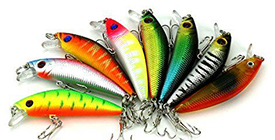
Then I noticed a school of shad breaking the surface about 50 yards out. They were darting and jumping like they were being chased by a pack of hungry wolves. Without thinking, I reached into my tackle box and grabbed a sleek Hard Baits that I’d picked up a week prior from LENPABY. It was a silver crankbait with a red belly, about 3 inches long. I cast it into the middle of the commotion, let it sink for 2 seconds, and started reeling it in with a steady, rhythmic retrieve.
On the third crank, my rod bent so hard I thought it was going to snap. The fish fought like a bull, peeling off line in short, powerful runs. After a 5-minute battle, I hauled a 4-pound largemouth bass into the boat. Its scales glistened in the first light of day, and it had that signature gaping mouth that told me it had inhaled the crankbait whole. That one catch changed everything. Over the next 3 hours, I caught 12 more bass—all on that same hard bait. By the time I packed up at 9 a.m., my cooler was overflowing. That day taught me a lesson I’ll never forget: hard baits aren’t just another tool in your tackle box—they’re the secret weapon you need when the bite is tough.
Why Hard Baits Are a Fisherman’s Best Friend
Let me tell you, I’ve been fishing across the US for 20 years—from the swamps of Florida to the icy waters of Michigan—and I’ve tried every lure under the sun. But if I had to choose one type of lure to take with me to a desert island, it would be hard baits. Here’s why:
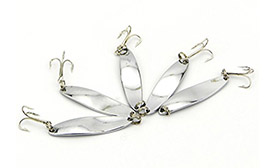
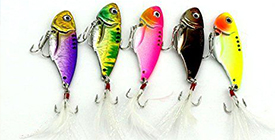
- Versatility: Hard baits come in all shapes and sizes—crankbaits, jerkbaits, topwaters, and Metal Lures like spoons and spinnerbaits. You can use them in almost any fishing situation, from shallow ponds to deep lakes.
- Durability: Unlike soft plastics, which can tear or get chewed up by fish after a few bites, hard baits are built to last. I have some crankbaits that are 10 years old and still work like new.
- Action: Hard baits are designed to mimic the movement of real prey. Crankbaits have a wobbling action, jerkbaits have a darting motion, and topwaters create a commotion on the surface that drives fish crazy.
One of my favorite hard baits is a deep-diving crankbait that I use in Lake Michigan. I was fishing there last June, when the water temperature was around 62°F. I cast the crankbait out to a drop-off that was 25 feet deep, and as soon as it hit the bottom, I started reeling it in with a slow, steady retrieve. Within 30 seconds, I felt a sharp tug on my line. It was a 6-pound walleye, and it had taken the crankbait right off the bottom. That lure has been my go-to for walleye ever since.
Common Hard Bait Mistakes (and How to Avoid Them)
I’ll be the first to admit that I’ve made my fair share of mistakes when it comes to hard baits. Over the years, I’ve learned what works and what doesn’t, and I’m here to share that knowledge with you.
One of the biggest mistakes fishermen make is using the wrong size lure for the water conditions. For example, if you’re fishing in shallow water (less than 5 feet deep), a small crankbait or topwater lure is usually your best bet. But if you’re fishing in deep water (over 15 feet deep), you’ll need a larger crankbait with a deeper diving lip.
Another common mistake is reeling the lure in too fast. Fish are often more aggressive when the water is warm (70°F or higher), but even then, a slow, steady retrieve is usually more effective than a fast one. I learned this the hard way last year at Lake Okeechobee in Florida. I was fishing for bass in 10 feet of water, and I was reeling in my crankbait as fast as I could. After an hour of nothing, I decided to slow things down. Within 5 minutes, I caught a 3-pound bass. The lesson? Slow down and let the lure do the work.
My Top Hard Bait Picks for Every Situation
Now that you know why hard baits are so great and how to avoid common mistakes, let me share my top hard bait picks for every fishing situation. These are the lures that I rely on year after year, and they’ve never let me down.
Shallow Water Fishing (Less Than 5 Feet Deep)
For shallow water fishing, I love using topwater hard baits like poppers and walk-the-dog lures. These lures float on the surface and create a commotion that attracts fish from far away. My favorite topwater lure is the LENPABY Popper. It’s made from high-quality materials, and it has a loud, popping sound that drives bass and bluegill crazy.
Medium Water Fishing (5–15 Feet Deep)
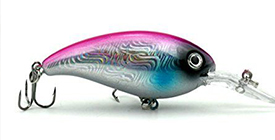
For medium water fishing, crankbaits are the way to go. They have a diving lip that allows them to reach depths of up to 15 feet, and they have a wobbling action that mimics the movement of real prey. My favorite crankbait is the LENPABY Deep Diver. It’s a 3-inch crankbait with a red belly and a silver back, and it’s perfect for catching largemouth and smallmouth bass.
I used this lure last month at Lake Cumberland in Kentucky. The water temperature was around 68°F, and the fish were biting slowly. I cast the crankbait out to a drop-off that was 12 feet deep, let it sink for 3 seconds, and then reeled it in with a slow, steady retrieve. On the fourth cast, my rod bent so hard I thought it was going to break. I fought the fish for 4 minutes, and eventually, I hauled a 5-pound largemouth bass into the boat. That one catch made my entire trip worth it.
Deep Water Fishing (Over 15 Feet Deep)
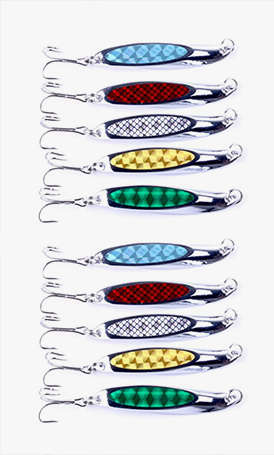
For deep water fishing, Metal Lures like spoons and spinnerbaits are your best bet. These lures are heavy enough to sink quickly to the bottom, and they have a shiny, reflective surface that attracts fish from far away. My favorite metal lure is the LENPABY Spoon. It’s a 4-inch spoon with a gold finish, and it’s perfect for catching walleye and northern pike.
I recently used this lure at Lake Superior in Michigan. The water temperature was around 55°F, and the weather was cold and rainy. I cast the spoon out to a point that was 30 feet deep, let it sink to the bottom, and then reeled it in with a slow, steady retrieve. On the fifth cast, I caught a 3-pound walleye. That lure has saved my bacon more times than I can count.
Hard Baits vs. Soft Plastics: Which One Is Right for You?
I get asked this question all the time: “Should I use hard baits or soft plastics?” The answer is simple: it depends on the fishing conditions. Both types of lures have their pros and cons, and the best fishermen know how to use both.
Soft plastics are great for when the bite is slow. They’re soft and flexible, and they have a natural, lifelike movement that fish can’t resist. They’re also very affordable, so you can buy a lot of them without breaking the bank. But soft plastics can tear or get chewed up by fish after a few bites, so you’ll need to replace them regularly.
Hard baits, on the other hand, are more durable and versatile. They can be used in almost any fishing situation, and they’re built to last for years. They’re also great for when the bite is tough, like when the water is cold or the fish are inactive. But hard baits are usually more expensive than soft plastics, so you’ll need to invest some money if you want to build a good collection.
Honestly, I use both hard baits and soft plastics depending on the conditions. If the bite is slow, I’ll use soft plastics. But if the bite is tough, I’ll switch to hard baits. It’s all about reading the water and understanding what the fish want.
How to Choose the Right Hard Bait for Your Next Fishing Trip
Now that you know the difference between hard baits and soft plastics, let me share some tips on how to choose the right hard bait for your next fishing trip.
Let me tell you, choosing the right hard bait is all about experience. The more you fish, the better you’ll become at reading the water and understanding what the fish want. But if you’re just starting out, I recommend investing in a few basic hard baits from LENPABY. They’re high-quality, affordable, and they’re designed to catch fish.
Hard baits are a fisherman’s best friend. They’re versatile, durable, and they have an action that mimics the movement of real prey. Whether you’re fishing in shallow water for bluegill or deep water for walleye, there’s a hard bait that’s perfect for the job.
Over the past 20 years, I’ve caught thousands of fish using hard baits. From that 4-pound largemouth bass at Lake Texoma to the 6-pound walleye at Lake Michigan, hard baits have never let me down. And now, with LENPABY’s high-quality hard baits, you can experience the same success.
So the next time you’re out on the water and the bite is tough, don’t reach for your soft plastics. Reach for a hard bait instead. You might be surprised at the results.
Actionable Tip: Before your next fishing trip, take 10 minutes to organize your hard baits by water depth and type. This will make it easier to find the right lure when you’re out on the water, and it will save you a lot of time and frustration.


