






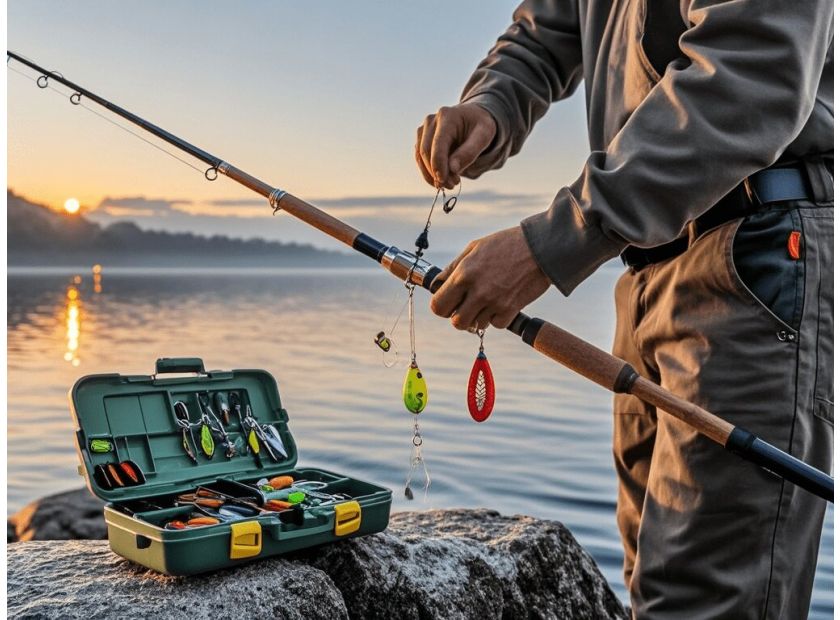
October of last year, I was on Lake Okeechobee in Florida—you know, the big one with the endless sawgrass marshes. The sky was a hazy orange from the morning sun, and the air smelled like damp earth and fish. Water temp was 72°F, which is sweet spot territory for bass. I’d been throwing Frog Lures all morning around the lily pads, and while I’d gotten a few hits, nothing was sticking. I was starting to get frustrated—like the fish were teasing me, nipping at the frog but not committing.
That’s when I rummaged through my tackle box and grabbed a soft plastic creature bait from LENPABY—one of those with flapping appendages that looks like a crayfish on steroids. I tied it to a 3/8 oz Texas rig, cast it into a patch of hydrilla about 20 feet from the bank, and let it sink slowly. As soon as I gave it that first twitch, BOOM. The water exploded, and I was hooked into a 5-pound largemouth that fought like it had something to prove. That fish turned my day around, and it was all thanks to that soft lure.
Why Soft Lures Are My Go-To
Let me tell you—after 20 years of fishing lakes and rivers from Texas to Michigan, I’ve tried every kind of lure under the sun. Crankbaits, spinnerbaits, Metal Lures—they all have their place. But when it comes to versatility and catching fish consistently, nothing beats a well-chosen soft lure.
Soft lures are made of materials like silicone or rubber, and they come in all shapes and sizes—worms, crayfish, minnows, frogs, and creatures you can’t even name. They’re lightweight, quiet, and mimic the natural movement of baitfish and other prey perfectly. And the best part? They’re affordable. You can buy a pack of 5 or 10 for the price of one high-end hard lure, which means you don’t have to cry when you lose one in a tree or a log jam.
The Different Types of Soft Lures I Use
I’ll break down the soft lures I reach for most often, along with where and when I use them. No numbered lists—just straight talk from a guy who’s spent way too much time in a boat.
1. Worms: The Classic That Never Fails
Worms are the granddaddy of soft lures, and for good reason. They’re simple, effective, and work in almost any situation. I use Texas-rigged worms for fishing around structure like logs, stumps, and rock piles—places where bass like to hide and ambush prey.
My go-to worm is the LENPABY Senko-style worm in green pumpkin. I’ve caught bass on this worm in Lake Texoma (68°F, early morning) and the Detroit River (70°F, late afternoon). Just cast it out, let it sink to the bottom, and twitch it slowly. The worm falls with a natural, wiggling motion that drives bass crazy.
Pro tip: If the water is warmer (above 75°F), try a watermelon red worm. The brighter color is more visible in murky water, which is common in lakes like Lake Lanier in Georgia.
2. Creature Baits: For Aggressive Bass
Creature baits are those lures with legs, claws, and appendages that look like something out of a sci-fi movie. They mimic crayfish, crawdads, and other bottom-dwelling creatures that bass love to eat. I use them when I’m targeting big, aggressive bass—like that 5-pounder I caught on Lake Okeechobee.
My favorite creature bait from LENPABY is the "Bass Beast" in brown and orange. I rig it on a Texas rig with a 3/8 oz weight, and I fish it around thick vegetation like hydrilla and lily pads. The key is to let it sink to the bottom, then give it short, sharp twitches. The legs and appendages flutter in the water, which triggers a bass’s predatory instinct.
3. Minnow Lures: For Open Water Fishing
When I’m fishing in open water—like the middle of Lake Michigan or the main channel of the Mississippi River—I reach for a soft plastic minnow lure. These lures mimic the small baitfish that bass feed on in these areas.
I use the LENPABY Shad Tail Minnow in silver and blue. I rig it on a jig head with a 1/4 oz weight, and I fish it by casting it out and reeling it in with a steady, slow retrieve. The shad tail wiggles back and forth, creating a lot of vibration in the water. This works great for catching schools of bass that are feeding on baitfish near the surface.
Last spring, I was fishing Lake Erie (58°F, early morning) and caught three smallmouth bass in 15 minutes using this exact setup. The water was clear, and I could see the bass chasing after the lure before they bit.
4. Frogs: For Thick Vegetation
Frogs are my favorite soft lure for fishing in thick vegetation like lily pads and bulrushes. They float on the surface, and their legs and bodies create a lot of commotion when you retrieve them. This attracts bass that are hiding in the weeds, waiting to ambush prey.
My go-to frog lure is the LENPABY Topwater Frog in green and black. I use it on lakes like Lake St. Clair in Michigan (78°F, late afternoon) and Lake Okeechobee (72°F, morning). The key is to cast it into the thickest vegetation you can find, then give it short, quick retrieves. This makes the frog "walk" across the surface of the water, which triggers explosive strikes.
Just be prepared—when a bass hits a frog lure, it’s usually a huge splash, and you have to set the hook hard to drive it through the fish’s thick lip. I’ve lost more than a few frogs to bass that bit hard and then ran into the weeds, but that’s just part of the game.
How to Rig Soft Lures for Success
Rigging soft lures correctly is just as important as choosing the right lure. A bad rig can make even the best lure look unnatural in the water, which will turn bass off.
Here are the rigs I use most often:
1. Texas Rig: For Fishing Around Structure
The Texas rig is my go-to for fishing around structure like logs, stumps, and rock piles. It’s weedless, which means you won’t get hung up as often, and it allows the lure to sink to the bottom where bass are hiding.
To rig a Texas rig, you’ll need a bullet weight, a glass bead, and a hook. Thread the weight onto your line, followed by the bead, then tie on the hook. Insert the hook into the head of the soft lure, then push it back out about 1/4 inch from the head. Then, bury the hook point into the body of the lure so it’s hidden. This makes the rig weedless and allows the lure to move naturally.
2. Carolina Rig: For Fishing Deep Water
When I’m fishing deep water—like the main channel of Lake Texoma (55°F, winter)—I use a Carolina rig. This rig is designed to keep the lure off the bottom and in the strike zone for longer periods of time.
To rig a Carolina rig, you’ll need a bullet weight, a glass bead, a swivel, and a hook. Thread the weight onto your main line, followed by the bead, then tie on the swivel. Then, tie a leader line (usually 18-24 inches long) to the other end of the swivel, and tie on the hook. Insert the hook into the soft lure, and you’re ready to go.
The Carolina rig is great for catching big bass that are hiding in deep water. The weight sinks to the bottom, while the lure floats above it, creating a natural presentation. Just make sure to use a slow retrieve and give the lure plenty of time to sink between twitches.
3. Jig Head: For Open Water Fishing
Jig heads are simple, effective, and work well for fishing in open water. They’re easy to rig—just insert the hook into the head of the soft lure and push it through until the head of the jig is flush with the lure. Then, pull the line tight, and you’re ready to cast.
I use jig heads with soft plastic minnow lures when I’m fishing in clear water—like Lake Michigan (60°F, spring). The jig head gives the lure weight, which allows me to cast it farther and deeper. And the minnow’s tail creates a lot of vibration in the water, which attracts bass from a distance.
My Favorite Soft Lures from LENPABY
I’ve tried a lot of soft lures over the years, but LENPABY has some of the best I’ve ever used. Their lures are made of high-quality materials that are durable and realistic, and they come in a wide range of colors and sizes to match almost any situation.
1. LENPABY Senko-Style Worm
Like I said earlier, the LENPABY Senko-style worm in green pumpkin is my go-to worm. It’s soft and flexible, which allows it to fall with a natural, wiggling motion. I’ve caught bass on this worm in almost every lake and river I’ve fished—from Texas to Michigan.
The Senko-style worm is great for fishing around structure, and it’s also effective for fishing in open water. Just cast it out, let it sink to the bottom, and twitch it slowly. The bass will do the rest.
2. LENPABY Bass Beast Creature Bait
The Bass Beast is my favorite creature bait. It’s got long, flapping appendages that create a lot of vibration in the water, which attracts bass from a distance. I use it around thick vegetation like hydrilla and lily pads, and it’s especially effective in warm water (above 70°F).
The Bass Beast is rigged on a Texas rig with a 3/8 oz weight, and I fish it with short, sharp twitches. The legs and appendages flutter in the water, which triggers a bass’s predatory instinct. I’ve caught some of my biggest bass on this lure—including that 5-pounder on Lake Okeechobee.
3. LENPABY Shad Tail Minnow
The Shad Tail Minnow is my go-to for open water fishing. It’s realistic, lightweight, and mimics the movement of a real minnow perfectly. I use it on jig heads with a 1/4 oz weight, and I fish it with a steady, slow retrieve.
The Shad Tail Minnow is especially effective in clear water, where bass can see the lure from a distance. I’ve caught schools of smallmouth bass on Lake Erie and Lake Michigan using this lure, and it’s also great for catching largemouth bass in lakes like Lake Texoma.
4. LENPABY Topwater Frog
Last but not least, the LENPABY Topwater Frog is my favorite for fishing in thick vegetation. It floats on the surface, and its legs and body create a lot of commotion when you retrieve it. This attracts bass that are hiding in the weeds, waiting to ambush prey.
The Topwater Frog is rigged on a Texas rig with a 1/2 oz weight, and I fish it with short, quick retrieves. This makes the frog "walk" across the surface of the water, which triggers explosive strikes. I’ve caught some of my most exciting bass on this lure—including a 4-pound largemouth that jumped clear out of the water before taking off.
Hard-Earned Lessons from 20 Years of Fishing
Fishing is a sport of trial and error. For every big fish you catch, there are a hundred you miss. And for every lure that works, there are ten that don’t. Over the years, I’ve learned a few lessons that have helped me catch more fish and enjoy the sport more.
1. Be Patient
Bass don’t bite every time you cast. Sometimes you have to wait 10, 20, or even 30 minutes before you get a hit. And sometimes you have to try 10 different lures before you find the one that works. The key is to be patient and keep trying.
Last summer, I was fishing Lake Lanier in Georgia (80°F, late afternoon) and I didn’t get a single bite for the first hour. I was about to give up and go home when I tied on a LENPABY Senko-style worm in watermelon red. On my next cast, I caught a 3-pound largemouth. That just goes to show—you never know when the fish are going to start biting.
2. Pay Attention to the Details
Small things can make a big difference when you’re fishing. The color of your lure, the size of your weight, the speed of your retrieve—all of these things can affect whether a bass bites or not.
For example, in clear water (like Lake Michigan), I use lighter-colored lures (silver, white) that are more visible. In murky water (like Lake Okeechobee), I use darker-colored lures (black, green pumpkin) that are more visible in low light conditions.
And don’t forget about water temperature. Bass are cold-blooded, which means their metabolism slows down in cold water. In water below 60°F, I use slower retrieves and heavier weights to get the lure down to where the bass are hiding.
3. Don’t Be Afraid to Fail
I’ve lost more lures than I can count to trees, log jams, and bass that ran into the weeds. And I’ve had days where I didn’t catch a single fish. But that’s all part of the game.
The key is to learn from your mistakes. If a lure isn’t working, try a different one. If a rig isn’t working, try a different rig. And if you lose a lure, don’t get upset—just tie on a new one and keep fishing.
An Actionable Tip to Catch More Bass
Here’s a small tip that I learned a few years ago that has helped me catch more bass: Add scent to your soft lures. Bass have a highly


