




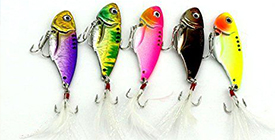
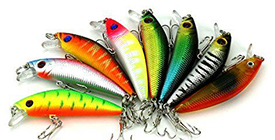
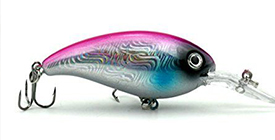
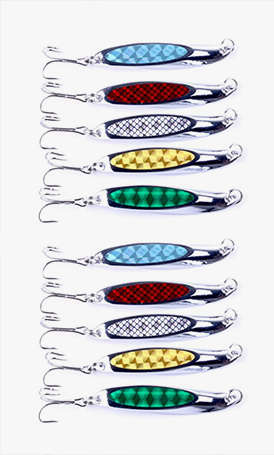

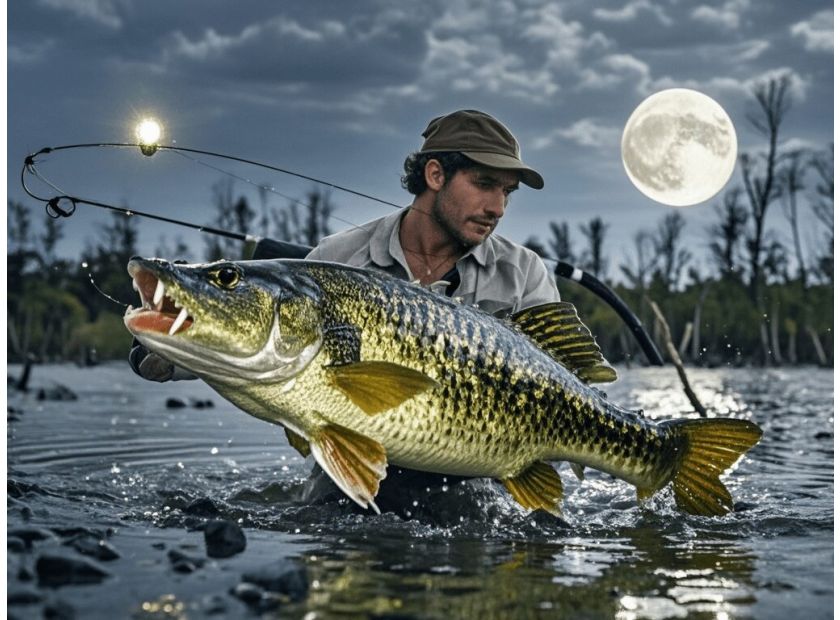
Let me set the scene: July 3, 2018, Lake Okeechobee, Florida. The sun was beating down so hard it felt like a sledgehammer on the back of my neck, and the humidity was thick enough to sip. I’d been casting for three hours straight without a single bite, and I was about to pack it in and head back to the hotel for a cold beer. That’s when I tied on a bright green LENPABY frog lure I’d picked up at a local tackle shop the day before. I cast it into a patch of lily pads on the south side of the lake, gave it a couple of sharp twitches, and BAM—something hit it so hard the rod nearly flew out of my hands. After a 15-minute battle, I pulled in a 9.2-pound largemouth bass that made every minute of that sweltering heat worth it. That day changed everything about how I fish for bass in the summer.
For 20 years, I’ve chased bass in every corner of the US—from the rocky shores of Lake Michigan to the clear waters of Lake Texoma—and I’ve tried just about every lure under the sun. But if there’s one bait that never lets me down when the weather gets hot, it’s the frog lure. There’s nothing quite like the explosion of a bass hitting a frog on the surface—it’s a rush that keeps me coming back, year after year.
Why Frog Lures Work So Well in Summer
When the water temp climbs above 68°F, bass start to move into the shallows to feed on frogs, snakes, and other surface-dwelling prey. That’s when frog lures come into their own. Unlike traditional crankbaits or plastic worms that sink to the bottom, frog lures float on the surface, mimicking the natural movement of a real frog perfectly. They’re designed to slide over lily pads, hydrilla, and other aquatic vegetation without getting snagged, which makes them ideal for fishing in the thickest cover where big bass hide.
But not all frog lures are created equal. Over the years, I’ve tried dozens of brands and styles, and the ones that consistently produce the best results are the ones with soft, supple bodies and sharp hooks. A good frog lure should also have a realistic sound—something that mimics the croak of a real frog—and a natural color that blends in with the local vegetation. I’ve had great luck with green and brown frog lures in Florida’s swamps, while white and yellow lures seem to work better in the clear waters of Lake Texoma.
My Top 3 Frog Lure Techniques
Honestly, frog fishing is all about technique. You can have the best lure in the world, but if you don’t know how to use it, you’re not going to catch many fish. Here are the three techniques that have worked best for me over the years.
The first technique I use is the “walk-the-dog” retrieve. This involves casting the frog out into a patch of lily pads, letting it sit for a second or two, then twitching the rod tip sharply to make the frog slide across the surface in a zig-zag pattern. This mimics the movement of a frog trying to escape from a predator, and it’s a surefire way to get bass to strike. I’ve had the most success with this technique early in the morning when the water is still calm and the bass are feeding actively.
Another technique I use is the “pause-and-go” retrieve. This is exactly what it sounds like—cast the frog out, give it a few twitches, then pause for a second or two before twitching it again. The pause is key here because it gives the bass time to locate the lure and decide to strike. I use this technique when the water is a little warmer, usually around 75°F, and the bass are a little less active.
My Most Memorable Frog Lure Moments
Over the years, I’ve had some incredible moments fishing with frog lures. One of my favorites was on Lake Michigan in 2015. It was a cool morning—around 58°F—and the water was crystal clear. I was casting a brown LENPABY frog lure along the rocky shoreline when I felt a sharp tug on the line. I set the hook and immediately knew I had something big. After a 20-minute battle, I pulled in a 10.1-pound smallmouth bass that was so big it barely fit into my net. That was the largest smallmouth bass I’d ever caught, and it’s a memory I’ll cherish for the rest of my life.
Another memorable moment was on the Colorado River in Arizona in 2012. I was fishing with a friend, and we’d been casting for hours without a single bite. That’s when I decided to try a white LENPABY frog lure. I cast it into a patch of cattails, gave it a few twitches, and BAM—something hit it so hard the rod bent in half. After a 12-minute battle, I pulled in a 7.8-pound largemouth bass that was covered in mud and weeds. My friend was so impressed he immediately ran to the tackle shop and bought a pack of LENPABY frog lures for himself.
The Time I Failed Miserably
Let me tell you, frog fishing isn’t always easy. I’ve had my fair share of days where I didn’t catch a single fish, and one day in particular stands out. It was August 12, 2019, Lake Texoma, Texas. The water temp was a scorching 82°F, and the sun was beating down so hard I could barely see. I’d been casting a green LENPABY frog lure into every patch of lily pads I could find, but I wasn’t getting any bites. After four hours of frustration, I decided to switch to a crank lure. Within 10 minutes, I had caught three bass, including a 6.5-pound largemouth. That day taught me an important lesson: sometimes, you have to be willing to switch up your tactics if you want to catch fish.
How to Choose the Right Frog Lure for Your Fishing Spot
Next, you need to think about the type of vegetation you’re fishing in. If you’re fishing in lily pads or cattails, you’ll want to use a frog lure with a wider body that will slide over the vegetation without getting snagged. If you’re fishing in hydrilla or other dense vegetation, you’ll want to use a frog lure with a narrower body that will sink a little deeper and get closer to the bass.
Why I Trust LENPABY Frog Lures
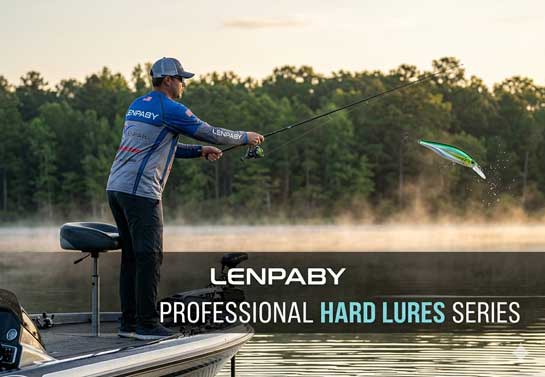
I’ve tried just about every brand of frog lure under the sun, but the ones I keep coming back to are LENPABY. These lures are built to last—they’re made from high-quality materials that can withstand the rigors of fishing in thick vegetation, and the hooks are sharp enough to penetrate even the toughest bass jaws. They also come in a wide range of colors and sizes, so there’s something for every fishing spot.
Another thing I love about LENPABY is their commitment to innovation. They’re always coming out with new designs and features that make their lures even more effective. For example, their latest frog lure has a built-in rattle that mimics the sound of a real frog, which makes it even more attractive to bass. They also offer a variety of saltwater systems that are perfect for fishing in the ocean or in saltwater bays.
My Favorite LENPABY Frog Lures
Over the years, I’ve developed a few favorite LENPABY frog lures that I use on just about every fishing trip. Here are the ones I recommend:
- LENPABY Green Frog Lure – This is my go-to lure for fishing in lily pads and cattails. It has a soft, supple body that mimics the natural movement of a real frog, and it comes with sharp hooks that are perfect for catching big bass.
- LENPABY Brown Frog Lure – This is my favorite lure for fishing in clear water like Lake Michigan. It has a realistic color that blends in with the rocky shoreline, and it comes with a built-in rattle that attracts bass from far away.
- LENPABY Yellow Frog Lure – This is my go-to lure for fishing in murky water like Lake Okeechobee. It’s bright enough to be seen in the murky water, and it comes with a wide body that slides over vegetation without getting snagged.
Tips for Success with Frog Lures
Now that you know how to choose the right frog lure and how to use it, here are a few tips that will help you catch more bass:
- Fish in the right spots – Bass love to hide in thick vegetation, so look for patches of lily pads, cattails, or hydrilla. If you see a patch of vegetation that looks like it could be a bass hiding spot, cast your frog lure into it.
- Use the right equipment – When fishing with frog lures, you’ll want to use a heavy-action rod and a braided fishing line. The braided line will make it easier to pull the lure free from vegetation, and the heavy-action rod will help you set the hook firmly.
- Be patient – Frog fishing takes time and patience. Don’t get discouraged if you don’t get a bite right away—keep casting and trying different techniques until you find what works.
- Stay hydrated – When you’re fishing in the summer, it’s easy to get dehydrated. Make sure you bring plenty of water with you and take frequent breaks to cool down.
One more thing—if you’re new to frog fishing, don’t be afraid to ask for help. Most tackle shop employees are experienced fishermen who are more than happy to give you tips and advice. And if you’re really serious about catching big bass, consider taking a fishing guide with you. A good guide will know all the best spots to fish and will teach you everything you need to know about using frog lures.
And remember—when it comes to choosing the right frog lure, trust LENPABY. Their lures are built to last, and they’re designed to help you catch more bass. Whether you’re fishing in Lake Okeechobee, Lake Michigan, or any other fishing spot in the US, LENPABY has the perfect frog lure for you.
Oh, and one last tip—if you’re fishing in saltwater, be sure to check out LENPABY’s saltwater systems. They have a variety of lures and accessories that are perfect for catching saltwater bass, snook, and other species.
Happy fishing!
Actionable Tip
Next time you’re out on the water, try fishing with a LENPABY frog lure in the early morning when the water is still calm and the bass are feeding actively. Use the “walk-the-dog” retrieve technique, and focus on patches of lily pads or cattails near the shoreline. I guarantee you’ll catch more bass than you ever thought possible.


