





Sunset on Lake Okeechobee: That One Lure That Changed Everything
It was October in Florida, the air thick with humidity and the scent of orange blossoms, when I found myself perched on the bow of my beat-up bass boat, staring down at the calm, murky waters of Lake Okeechobee. The sun was dipping low in the sky, casting long pink and orange streaks across the horizon, and I’d been fishing for three hours without a single bite. The wind had died down to a gentle breeze, and the water temperature hovered around 72°F—perfect conditions for largemouth bass, or so I’d thought.
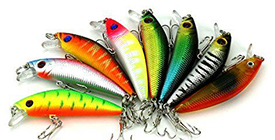
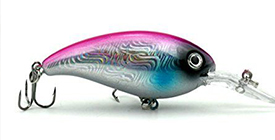
I’d brought my usual setup: a tackle box full of soft plastics, crankbaits, and topwater lures. I’d tried flipping jigs into the lily pads, casting crankbaits along the drop-offs, and even dragging a worm across the bottom. Nothing. Not a tap, not a nibble. I was starting to get frustrated, thinking I’d wasted the trip.
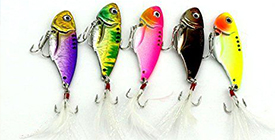
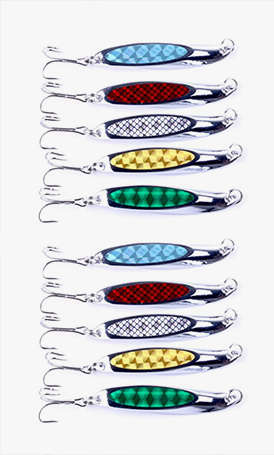
Then, I remembered a Fishing Set I’d picked up a few weeks earlier at a local tackle shop. The set included a handful of metal lures—spoons and spinnerbaits—that I’d never really used before. I’d always been a soft-plastic guy, figuring they looked more natural to the fish. But desperate times call for desperate measures, right?
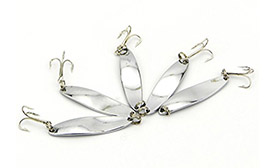
I tied on a silver spoon, about three inches long, and cast it out into the open water. As I retrieved it, I let it fall a few feet, then twitched it slightly. The metal glinted in the fading sunlight, creating a flash that cut through the murky water like a knife. Suddenly, there was a huge splash, and my rod bent in half.
It was a massive largemouth bass—easily 8 pounds—thrashing and jumping as I reeled it in. I couldn’t believe it. That metal lure had done what all my other lures couldn’t. That night, as I sat by the campfire cleaning my catch, I realized I’d been missing out on one of the most effective types of lures in freshwater fishing.
Why Metal Lures? The Surprising Benefits
Let me tell you—after that day on Lake Okeechobee, I became obsessed with metal lures. I started using them on every fishing trip, from the Texas coast to the Great Lakes, and I’ve learned a thing or two about why they work so well. Honestly, they’re one of the most versatile and effective lures you can have in your tackle box.
My Favorite Metal Lure: The Jigging Spoon
While I love all types of metal lures, there’s one that holds a special place in my heart: the jigging spoon. It’s a simple lure—just a curved piece of metal with a treble hook attached to the end—but it’s incredibly effective. I’ve used it to catch largemouth bass, smallmouth bass, walleye, and even trout. Let me tell you a story about how it saved another fishing trip.
A few years ago, I was fishing on Lake Michigan in early spring. The water temperature was still chilly—around 48°F—and the fish were holding deep in the water column. I’d tried every lure in my tackle box, from crankbaits to soft plastics, but I couldn’t get a single bite. I was about to pack up and head home when I decided to give the jigging spoon a try.
I tied on a gold jigging spoon, about four inches long, and dropped it down to 30 feet. I started jigging it up and down, letting it fall slowly between each twitch. Within a minute, my rod bent, and I felt a powerful pull. It was a 5-pound walleye, one of the biggest I’d ever caught in Lake Michigan. I ended up catching three more walleyes that afternoon, all on the same jigging spoon.
The key to using a jigging spoon is to vary your retrieve. Sometimes, a slow, steady jigging motion works best, while other times, a faster, more erratic retrieve is what the fish want. I’ve found that in cold water, fish tend to be slower and more sluggish, so a slow retrieve is usually better. In warmer water, they’re more active, so a faster retrieve can trigger more strikes.
Metal Lures for Trout: A Colorado River Adventure
While most people associate metal lures with bass and walleye, they’re also incredibly effective for trout. A few years ago, I was fishing on the Colorado River in Arizona, and I caught more trout than I could count using a small spinnerbait. Let me tell you about that trip.
It was early morning, and the sun was just starting to rise over the red rocks. The water temperature was around 58°F, and the river was flowing at a moderate pace. I tied on a small silver spinnerbait with a black rubber skirt and cast it out into the current. As I retrieved it, I let it drift with the flow of the river, twitching it slightly every few seconds.
Within minutes, I had a strike. It was a beautiful rainbow trout, around 12 inches long. I released it back into the water and cast again. This time, I caught a brown trout. Over the next few hours, I caught a dozen more trout, all on the same spinnerbait.
What I love about metal lures for trout is that they mimic the small minnows and insects that trout feed on. The flash from the spinner blades attracts the trout’s attention, and the vibration from the moving metal makes them think there’s a small creature struggling in the water. This triggers their predatory instincts, causing them to strike.
Freshwater Systems and Metal Lures: A Perfect Match
If you’re serious about fishing, you need a good Freshwater Systems setup that’s specifically designed for metal lures. A medium-heavy rod with a fast action is ideal, as it allows you to cast the lure long distances and set the hook quickly. A reel with a high gear ratio is also important, as it lets you retrieve the lure at a fast pace if necessary.
When it comes to line, monofilament or fluorocarbon is best. Monofilament is more affordable and has good stretch, which can help prevent the line from breaking when you’re fighting a big fish. Fluorocarbon is more expensive, but it’s almost invisible in the water, which can make a big difference in clear conditions.
My Biggest Fail with a Metal Lure
I’d be lying if I said every fishing trip with a metal lure was a success. I’ve had my fair share of failures too. One time, I was fishing on Lake Texoma in Texas, and I’d heard that the white bass were hitting metal lures. I tied on a big silver spoon and started casting out into the open water.
I retrieved the lure at a fast pace, thinking the white bass would love it. But I didn’t get a single bite. After an hour of casting and reeling, I was about to give up. Then, I decided to slow down my retrieve. I let the spoon fall a few feet, then retrieved it at a slow, steady pace. Within minutes, I had a strike.
The fish was small—only about 10 inches long—but it was a white bass. It turned out that the white bass were holding deep in the water column that day, and they weren’t interested in fast-moving lures. I ended up catching a dozen more white bass that afternoon, all with the same slow retrieve.
This failure taught me an important lesson: you have to be willing to adapt your technique to the conditions. What works one day might not work the next, so it’s important to experiment with different retrieve speeds, depths, and lure colors.
Choosing the Right Metal Lure
With so many different types of metal lures on the market, it can be overwhelming to choose the right one. Let me share some of my favorites and when to use them:
Spinning Spoons: These are great for general freshwater fishing. They come in a variety of sizes and colors, and they’re easy to use. I use silver or gold spoons for most applications.
Jigging Spoons: These are perfect for deep-water fishing. They’re heavy enough to sink quickly, and they create a unique flash and vibration that attracts fish from long distances. I use gold or copper jigging spoons in cold water, and silver in warm water.
Spinnerbaits: These are great for bass and trout. They have one or more spinner blades attached to a wire frame, which creates a lot of flash and vibration. I use black or blue spinnerbaits in murky water, and silver or gold in clear water.
Vertical Jigging Lures: These are designed for vertical jigging, which is a technique used for catching fish that are holding deep in the water column. They’re heavy and compact, and they create a lot of vibration when jigged. I use these lures when fishing for walleye and northern pike.
Actionable Tip: Experiment with Retrieve Speeds
Here’s a small, actionable tip that can help you catch more fish with metal lures: experiment with different retrieve speeds. Fish can be finicky, and what works one day might not work the next. Try retrieving the lure at a slow, steady pace, then switch to a fast, erratic motion. Let the lure fall a few feet between retrieves, or jig it up and down. The more you experiment, the more likely you are to find what the fish want that day.
Remember, fishing is all about trial and error. Even the most experienced anglers have bad days. But with a little patience and the right tools—like metal lures—you can increase your chances of success. So next time you go fishing, give metal lures a try. You might be surprised by how effective they are.


