





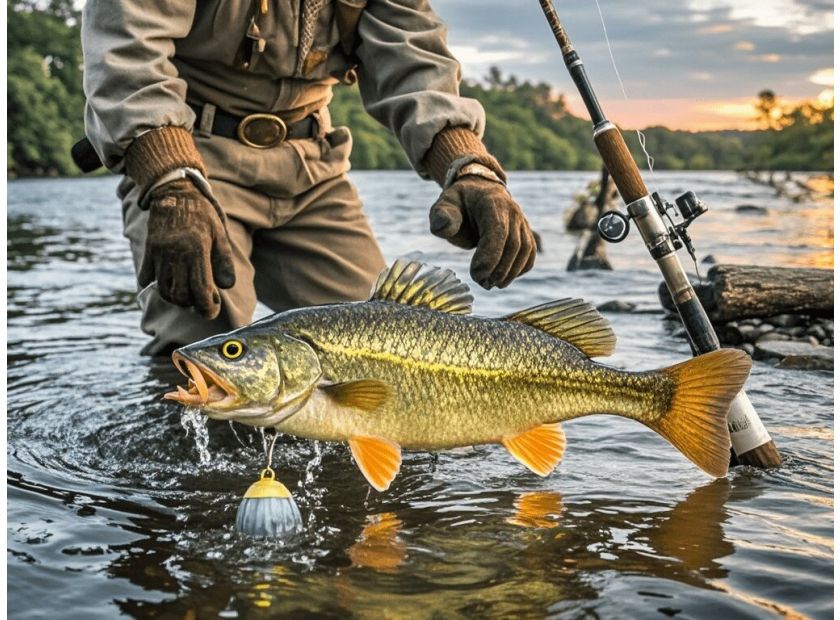
October 12, 2023. Lake Okeechobee, Florida. The humidity hung heavy like a wet blanket, even at 6 AM, and the sky was painted in soft pinks and oranges that made the water look like liquid gold. I’d been fishing here for a decade, but that day? I almost packed it up by 9 AM.
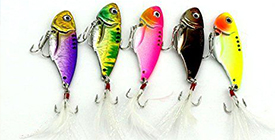
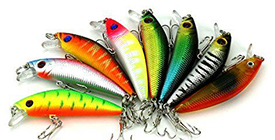
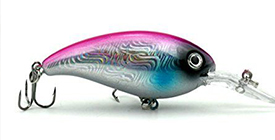
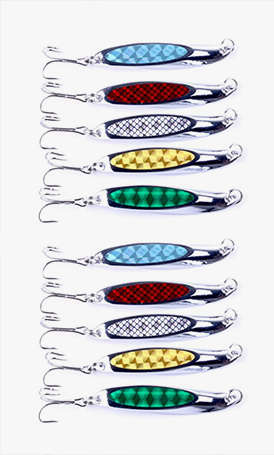
My tackle box was full of Hard Baits – crankbaits, topwaters, everything I’d relied on for years. But the bass were just… ignoring them. Water temp was 72°F, and the weeds were thick in the shallows. I’d casted 50 times without a single nibble. I was frustrated, tired, and ready to head back to the motel for a cold beer and a nap.
That’s when I saw him – a young guy in a beat-up bass boat, pulling in one bass after another. I motored over, and he handed me a soft plastic worm. “Try this,” he said. “They’re hitting slow and steady today.”
I was skeptical. I’d always considered soft plastics “beginner gear.” But I tied it on, cast it into the weeds, and let it sink. Three seconds later, I felt a jolt that nearly ripped the rod out of my hand. That bass was 5.2 pounds, and it was just the first of 12 I caught that day.
Why Soft Plastics Changed My Fishing Game
Let me tell you – that day on Lake Okeechobee was a wake-up call. I’d been ignoring soft plastics for years, thinking they couldn’t compete with the flash and action of hard baits. But what I learned is that soft plastics have a unique feel and movement in the water that fish can’t resist, especially in specific conditions.
Over the past year, I’ve made it my mission to test every soft plastic I can get my hands on. I’ve fished them in lakes in Texas, Florida, Michigan, and even the saltwater systems off the coast of Georgia, using Saltwater Systems to adapt my setup for different environments. And I’ve learned that soft plastics aren’t just for beginners – they’re a versatile tool that every angler should have in their tackle box.
The Different Types of Soft Plastics and When to Use Them
Soft plastics come in all shapes and sizes, and each type works best in specific situations. Here are a few of my favorites:
- Worms – The classic. They’re perfect for fishing in weeds, around rocks, or in deep water. I’ve caught bass on worms in Lake Texoma when the water temp was 68°F, and the fish were holding near submerged structure.
- Creature Baits – These have multiple legs and appendages that move in the water, creating a lifelike action. They’re great for fishing in murky water or around heavy cover, where fish rely more on feel than sight.
- Swimbaits – These mimic small fish or other prey. I’ve used swimbaits in Lake Michigan when the water temp was 75°F, and the bass were chasing schools of shad near the surface.
- Frogs – These are designed to float on the surface, making them perfect for fishing in lily pads or other shallow cover. I’ve caught bass on frogs in Florida’s Everglades when the weather was hot and humid, and the fish were feeding on insects near the surface.
- Senkos – These are soft, stick-shaped baits that fall slowly in the water. They’re great for fishing in clear water, where fish are more cautious. I’ve caught bass on Senkos in Lake Travis when the water was 65°F, and the fish were holding near drop-offs.
How to Fish Soft Plastics: Techniques That Work
Honestly, the key to fishing soft plastics is to be patient. Unlike hard baits, which require fast retrieves and aggressive movements, soft plastics work best when you let them do the talking. Here are a few techniques I’ve learned:
The Day I Failed – and What I Learned
Let’s be real – not every day with soft plastics is a success. Last April, I went fishing on Lake Erie, hoping to catch some walleye. I’d heard that soft plastics worked well for walleye, so I tied on a soft plastic minnow and cast it out.
The water temp was 58°F, and the wind was blowing hard – about 20 mph. I fished for three hours without a single nibble. I tried different retrieves, different depths, but nothing worked. I was ready to give up.
That’s when I realized I was making a mistake. The walleye were holding in deeper water – about 30-40 feet – and my bait wasn’t getting down there fast enough. I switched to a heavier weight, and within 10 minutes, I caught my first walleye.
That day taught me that even with soft plastics, you have to adapt to the conditions. What works in one situation might not work in another. You have to be willing to experiment with different baits, different techniques, and different depths.
Why Soft Plastics Are a Must-Have for Every Angler
Soft plastics have become my go-to bait for almost every situation. Here’s why:
They’re versatile. You can fish them in lakes, rivers, ponds, and even Saltwater Systems. They work for bass, walleye, pike, trout, and even saltwater species like redfish and speckled trout.
They’re affordable. Unlike Hard Baits, which can cost $10 or more, soft plastics are typically $2-5 per pack. That means you can stock up on a variety of baits without breaking the bank.
They’re easy to use. Even if you’re a beginner, you can catch fish with soft plastics. Just tie them on, cast them out, and let them do the work.
They’re effective. I’ve caught more fish with soft plastics than with any other type of bait. They have a unique feel and movement in the water that fish can’t resist.
How to Choose the Right Soft Plastic for Your Needs
With so many soft plastics on the market, it can be overwhelming to choose the right one. Here are a few tips:
My Favorite Soft Plastics for Different Situations
Over the past year, I’ve tested dozens of soft plastics, and I’ve found a few that I keep coming back to. Here are my favorites:
- Zoom Trick Worm – This worm is 6 inches long and has a thin, flexible body that moves in the water. I use it for fishing in weeds and around rocks, and it works great for bass.
- Berkley Gulp! Minnow – This minnow-shaped bait is infused with scent, making it more attractive to fish. I use it for walleye and pike, and it works well in both fresh and Saltwater Systems.
- Senko – This soft, stick-shaped bait falls slowly in the water, making it perfect for fishing in clear water. I use it for bass, and it’s one of my go-to baits when the fish are being cautious.
- Booyah Pad Crasher – This frog-shaped bait floats on the surface, making it great for fishing in lily pads and other shallow cover. I use it for bass, and it’s a lot of fun to watch the fish strike.
- Zoom Brush Hog – This creature bait has multiple legs and appendages that move in the water, creating a lifelike action. I use it for fishing in murky water and around heavy cover, where fish rely more on feel than sight.
Final Thoughts
Soft plastics have changed my fishing game forever. They’re versatile, affordable, and effective, and they work for almost every species of fish. Whether you’re a beginner or a veteran angler, soft plastics are a must-have for your tackle box.
So, next time you’re out on the water and your hard baits aren’t working, give soft plastics a try. You might be surprised at what you catch.
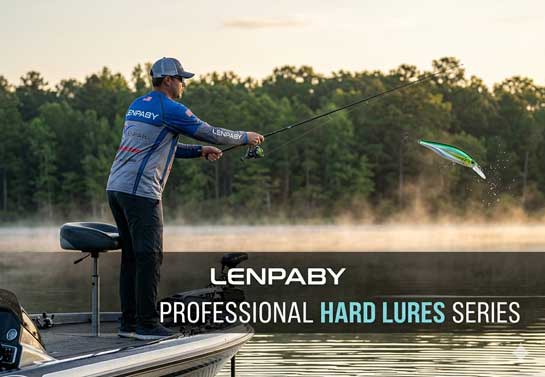
And if you’re looking for a great selection of soft plastics, LENPABY has everything you need. They have a wide variety of baits for every situation, and their prices are very reasonable.
Now, get out there and catch some fish!
Actionable Tip: Next time you go fishing, tie on a soft plastic worm and let it sink to the bottom. Retrieve it slowly with small, subtle movements, and pay attention to any bumps or changes in texture. You might just catch the biggest fish of your life.


