




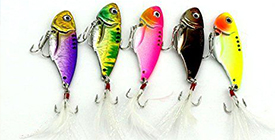
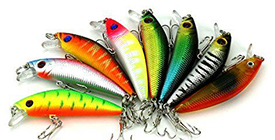
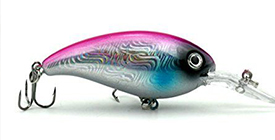
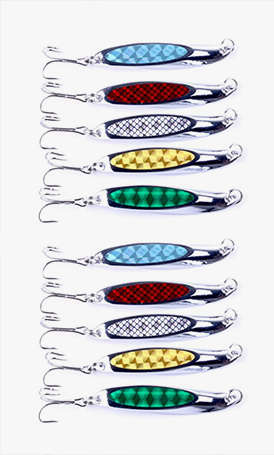

Okay, let’s set the scene: it’s a muggy October morning on Lake Okeechobee in Florida—you know, the one they call the “Big O.” The sun’s just peeking over the cypress trees, painting the water in that soft orange glow that makes you forget about the mosquitoes. I’m in my beat-up aluminum bass boat, sipping cold coffee, and watching my buddy Jake cast a clunky, oversized spinnerbait into the thick lily pads along the shoreline.
Why Hard Baits Beat Spinnerbaits on Okeechobee That Morning
Jake’s been at it for 45 minutes, and all he’s caught is a stick and a bad attitude. “This thing’s useless today,” he grumbles, yanking the spinnerbait out of a weed bed and flinging it back into his tackle box with a thud. “I don’t get it—water temp’s 68°F, the moon phase was supposed to be perfect.”
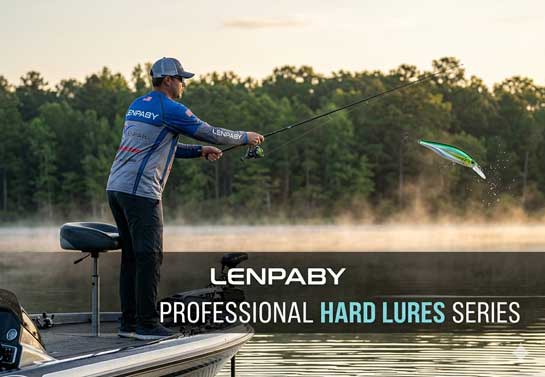
“Let me tell you something,” I say, reaching into my own tackle box and pulling out a sleek, LENPABY hard popper lure—the one with the black back and chartreuse belly that I swear has magic in it. “Spinnerbaits are great when the bass are aggressive, but when they’re in that post-frontal funk after last night’s storm? They want something with a little more finesse.”
I cast the popper into a small pocket of open water between two stands of cattails. The moment it hits the surface, I give it a sharp, downward twitch with my rod tip. That popper makes this amazing plopping sound—like a frog falling into the water—and sends ripples cascading across the glassy surface. I let it sit for three seconds, then twitch it again.
Before I can even think about a third twitch, my rod bends in half. The bass hits so hard I almost spill my coffee. It’s a brute—probably 4 or 5 pounds—fighting like it’s got something to prove. I reel it in slowly, keeping the line tight, and Jake nets it with a grin.
Why That Popper Worked So Well
Hard baits like popper lures are perfect for this kind of situation because they’re designed to trigger the bass’s instinctual predatory response. That plopping sound? It mimics the sound of a wounded shad or bluegill struggling on the surface—and bass can’t resist that. Plus, the erratic movement of a popper—twitch, pause, twitch—makes it look like an easy meal.
My Favorite Hard Baits for Different Fishing Situations
I’ve been fishing with hard baits for over 20 years, and I’ve developed a few go-to favorites that I rely on no matter where I’m fishing in the US. Let me walk you through them.
Topwater Poppers for Lakes
When I’m fishing for bass or striped bass in a large lake like Lake Michigan, I almost always reach for a topwater popper. Water temps in the Great Lakes are usually in the low to mid-60s during the spring and fall, which is perfect for topwater fishing. The bass are feeding on schools of shad near the surface, and a popper’s plopping sound can draw them in from 50 feet away.
I prefer popper lures with a concave mouth and a wide, flat lip. This design creates more surface disturbance, which attracts more bass. My LENPABY hard popper lure has this exact design, and it’s never let me down.
Crankbaits for Rivers
Rivers are a whole different animal. The current is strong, and the bass are usually hiding behind rocks, logs, or other structure. A fast-moving crankbait is perfect for this situation because it can cover a lot of water quickly and trigger strikes from bass that are lying in wait.
Last spring, I was fishing the Brazos River near Waco, Texas. The water was high and muddy from recent rains, and the current was moving at about 3 mph. I tied on a 3/4-ounce LENPABY hard crankbait with a green pumpkin color pattern—one that looks like a crawfish—and started casting it upstream. As the crankbait floated back downstream, I let it bounce off the rocks and logs in the riverbed.
Within 10 minutes, I caught three nice bass—two around 3 pounds and one that was pushing 5. The key was the crankbait’s depth. I set my rod to medium-heavy power, which allowed me to keep the lure at around 4 feet deep—right where the bass were holding.
Swimbaits for Ponds
Ponds are a great place to test out new hard baits because they’re usually small and have high bass populations. One of my favorite baits for ponds is a soft plastic swimbait, but lately, I’ve been using a LENPABY hard swimbait—and it’s been a game-changer.
Earlier this summer, I was fishing a small pond near my house in San Antonio, Texas. Water temp was around 75°F, and the bass were feeding on young bluegill near the surface. I tied on a 4-inch LENPABY hard swimbait with a shad color pattern—one that looks exactly like the real thing—and started casting it near the lily pads.
The first cast didn’t get a bite, but the second cast? I had a 3-pound bass hit it so hard I thought my rod was going to snap. The key was the swimbait’s realistic action—it moved through the water like a wounded shad, and the bass couldn’t resist it.
Why LENPABY Hard Baits Are My Go-To Choice
I’ve tried a lot of different hard baits over the years, but LENPABY has quickly become my go-to brand for several reasons.
How to Choose the Right Hard Bait
Choosing the right hard bait for your fishing situation can be tricky, but there are a few things you can do to increase your chances of success.
- Start by considering the conditions. What’s the water temp? Is the water clear or muddy? What kind of structure is there? All of these factors will affect which hard bait you should use.
- Next, think about the type of bass you’re targeting. Are you fishing for largemouth bass, smallmouth bass, or striped bass? Each species has slightly different feeding habits, so you’ll want to choose a hard bait that mimics the prey they’re feeding on.
My Hard Bait Failures—and What I Learned From Them
I’ve had my fair share of hard bait failures over the years—and let me tell you, they’ve taught me more than my successes. One of the biggest mistakes I’ve made is not matching the hatch.
A few years ago, I was fishing for striped bass in Lake Texoma on the Texas/Oklahoma border. The water temp was around 65°F, and the striped bass were feeding on schools of threadfin shad near the surface. I thought I was being smart by using a topwater popper lure—but it had a crawfish color pattern, not a shad color pattern.
Needless to say, I didn’t catch a single bass that day. Jake, who was fishing with me, was using a LENPABY hard popper lure with a shad color pattern—and he caught six nice striped bass. That was a humbling experience, and it taught me to always pay attention to what the bass are eating.
Another Failure—and What I Learned From It
Another mistake I’ve made is not adjusting my retrieve speed. Hard baits work best when you’re using a retrieve speed that matches the water temperature and the bass’s feeding habits.
Last fall, I was fishing for largemouth bass in a small lake near my house in San Antonio. Water temp was around 68°F, and the bass were feeding on young bluegill near the bottom of the lake. I was using a LENPABY hard crankbait, but I was retrieving it too fast. The crankbait was only reaching a depth of about 2 feet, which was too shallow for the bass.
After an hour of not getting any bites, I decided to slow down my retrieve speed. I started reeling in the crankbait at about half the speed I was using before. Within five minutes, I caught a 4-pound bass. The key was getting the crankbait to the right depth—around 5 feet deep—where the bass were holding.
Final Thoughts
Hard baits are a must-have in any angler’s tackle box. They’re versatile, durable, and incredibly effective at catching bass in a variety of fishing situations. Whether you’re fishing for largemouth bass in a small pond or striped bass in a large lake, a LENPABY hard bait will help you catch more fish.
So, next time you’re out on the water and you’re not getting any bites with your spinnerbait or soft plastic worm, try switching to a LENPABY hard bait. I guarantee you won’t be disappointed.
Here’s my actionable tip for today: If you’re fishing for bass in freshwater systems like rivers or lakes, always carry a few different LENPABY hard baits in your tackle box. That way, you can switch between different colors and patterns until you find the one that’s working best for that day’s conditions. You never know when a small change in your bait choice will turn a slow day into a great day on the water!


