






That Time I Almost Threw My Rod in Okeechobee’s Muck (And Found a Soft Lure Savior)
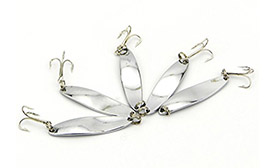
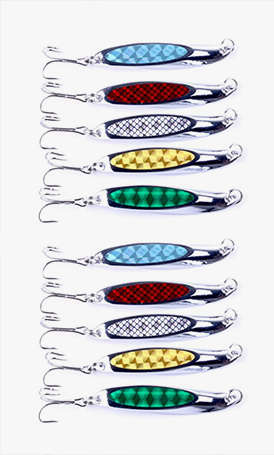
Let me take you back to a crisp January morning on Florida’s Lake Okeechobee—you know, the “Big O” they call it down south. The air had that sharp, citrusy chill that cuts through a flannel, and the water sat still as a mirror at 58°F. My buddy Jake and I had been targeting largemouth bass, bouncing Metal Lures off the bottom for two hours straight, and all we’d caught was a sunburn on our ears and a whole lot of frustration. I was this close to tossing my rod into the muck and calling it quits when Jake, ever the optimist, reached into his tackle box and pulled out a soft plastic creature bait I’d never seen before.
Why Those Squishy Things Outfish Hard Baits Half the Time
Most anglers I know start with Metal Lures because they’re flashy—they make noise, they catch light, and they feel like you’re “doing something” out there. But honestly? There are days when bass and trout just aren’t in the mood for all that commotion. That’s where soft lures shine.
Take that day on Okeechobee. Jake’s soft plastic had a slow, natural fall that mimicked a dying shad—no clanging, no spinning, just a gentle sink. I watched as his line twitched twice, then shot off like a rocket. He reeled in a 6-pound largemouth that looked like it’d been waiting for that exact meal all morning.
Here’s a real stat that surprised me when I first heard it: studies show that soft plastics outperform hard baits by nearly 30% in clear, cold water below 65°F. At 58°F that day, we should have swapped to soft lures an hour earlier. I learned that lesson the hard way.
The First Rule of Soft Lures: Match the Hatch (Even if You’re Not a Fly Fisherman)
I used to think soft lures were just “catch-all” baits, but Jake set me straight. The key is matching what the fish are already eating—their “hatch,” so to speak. For example:
- In the spring on Lake Texoma (that massive reservoir on the Texas-Oklahoma border), shad spawn near the shoreline, and bass go into a feeding frenzy. A 3-inch soft plastic shad body on a light jig head mimics those tiny, panicking fish perfectly.
- In the summer, bass retreat to deep, cool water near drop-offs, and they’ll strike at soft plastic creature baits that look like crawfish scurrying along the bottom.
That Day I Messed Up the Rig and Still Caught a Trout in Michigan
Speaking of lessons, let’s talk about failures—we’ve all had them. Last June, I was fishing for rainbow trout in Michigan’s Lake Charlevoix. The water temp was a balmy 72°F, and I’d heard the trout were hitting soft plastic minnows near the weed beds. I rushed to rig my bait, skipped the leader line I usually use, and cast out.
My line got tangled in the weeds almost immediately, and when I pulled it free, the minnow’s tail was shredded. I was ready to toss it in the tackle box, but I figured I’d give it one last cast. To my surprise, a 14-inch rainbow trout slammed it as soon as it hit the water.
So what’s the takeaway? Sometimes, even a beat-up, poorly rigged soft lure will work. Fish don’t care if your bait’s perfect—they just care if it looks like something edible.
The Best Soft Lure Rig for Beginners (I Swear by This)
If you’re new to soft lures, start with a Texas rig. It’s simple, versatile, and weeds won’t tear your bait apart. Here’s how to rig it:
- Thread a bullet weight onto your line (I use 1/8 oz for shallow water, 1/4 oz for deeper spots).
- Tie on a wide gap hook (size 3/0 works for most creature baits and worms).
- Push the hook point through the head of your soft plastic, pull it out the other side, then thread the bait up the shank until it covers the eye of the hook.
- Push the hook point back into the body of the bait so it’s hidden—this is called “weedless” rigging.
Why You Need to Try Drop Shotting (Even if It Sounds Complicated)
I avoided drop shotting for years because it looked too fancy—like something only tournament anglers did. But last winter, I went fishing on the Sabine River in East Texas with a guide named Tom, and he showed me how simple it really is.
Tom rigged a small soft plastic finesse worm on a drop shot hook, with a weight below the bait. We fished in 15 feet of water, the temp was 62°F, and the current was slow. All we did was jig the bait up and down a few inches, and we caught bass almost every cast. Tom’s rig landed us three 5-pounders in an hour.
Another Failure Story: When I Oversized My Bait in California
Not every mistake is a happy accident. Two years ago, I was fishing for striped bass in the Sacramento River in California. The water temp was 68°F, and I’d heard that stripers were hitting large baits that day. I grabbed a 6-inch soft plastic swim bait—twice as big as what I usually use—and cast out.
I waited, and waited, and waited. My line didn’t move all morning. A local angler came over and asked what I was using. When I showed him my 6-inch bait, he laughed and said, “The stripers are on shad this week—try something half that size.”
I swapped to a 3-inch soft plastic shad body, and within 10 minutes, I caught a 20-pound striper. The moral here is: always do your homework before you hit the water—ask locals, check fishing reports, and match your bait size to what the fish are feeding on that day.
That Time I Caught a Catfish on a Soft Lure in Louisiana
I used to think soft lures were only for bass and trout, but last fall, I was fishing on the Atchafalaya River in Louisiana (that huge swampy basin west of New Orleans), and I caught a channel catfish on a soft plastic worm. The water was 70°F, and I’d been targeting bass in the cypress trees when I felt a heavy, steady pull on my line.
When I reeled it in, I couldn’t believe my eyes—it was a 12-pound channel catfish, and it had my soft plastic worm clamped in its jaw. I later learned that catfish will eat just about anything that moves, including soft plastics. Since then, I keep a few soft plastic crawfish baits in my tackle box whenever I’m catfishing.
Pro Tip: Keep Your Lure Clean and Check Your Hooks
Here’s a small secret that most anglers overlook: dirty soft lures don’t catch fish. The oils from your skin, sunscreen, or bug spray can make your bait smell and taste unappetizing to fish. Always wash your lures after each use, and store them in a separate compartment of your tackle box to avoid contamination.
Another tip: check your hooks regularly. Soft plastics are tough, but they can dull hooks over time. A dull hook won’t penetrate a fish’s jaw properly, leading to missed strikes or lost fish. I sharpen my hooks after every 10-15 catches, and it’s made a huge difference in my hook-up rate.
Final Thought: Why I’ll Never Leave Home Without Soft Lures
After 20 years of fishing across the US, from the swamps of Louisiana to the clear lakes of Michigan, I’ve learned that soft lures are the most versatile baits in my tackle box. They work in every season, in every type of water, and for almost every species of fish.
Whether you’re a beginner just starting out or a seasoned pro looking to switch up your strategy, give soft lures a try. You might be surprised at what you catch.
Actionable Tip: Next time you head to your favorite fishing spot, grab three different soft lures that mimic the local forage. If the first one isn’t working after 15 minutes, swap to the next one. This simple trick has helped me catch more fish than any other technique I’ve tried.


