





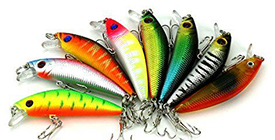
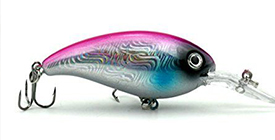
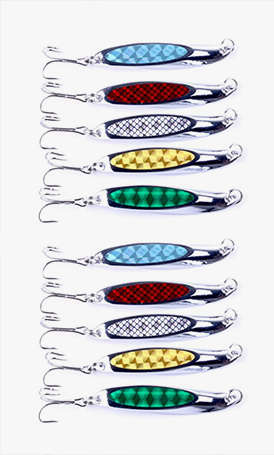

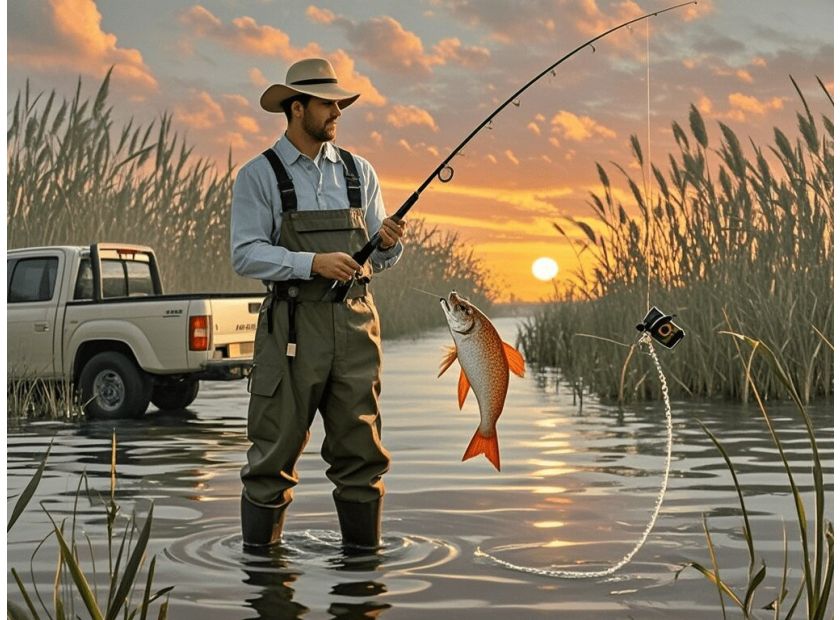
It was early October on Lake Okeechobee in Florida, and the morning air hung thick with the scent of swamp and distant thunder. I’d been there three days straight, casting nothing but hard plastic jerkbaits into the murky shallows, and my tackle box was starting to feel like a fancy paperweight. Water temp held steady at 72°F, and the bass should’ve been gorging on bluegill before winter set in—but I’d gotten exactly two bites all morning, both from tiny panfish that barely bent my hook.
Honestly, I was about to pack up and head to the nearest bait shop for a cold beer and a harsh dose of self-pity. That’s when I saw old Jake, a guy I’d met on the dock my first day, reeling in a three-pound largemouth like it was nothing. He didn’t even break a sweat. When I asked him what he was throwing, he pulled out a beat-up soft lure—one of those squishy worm-shaped things with a curly tail—and grinned.
“You’re fishing with armor when they want cotton,” he said, handing me one. “Try this. Slow retrieve, let it sink a little between jerks.”
I tied it on without thinking twice. Three casts later, my rod bent like a willow branch, and I hauled in a four-and-a-half-pound bass that put up a fight like it was defending its own territory. That day, I caught 12 more—all on that same soft lure. I went from zero to hero in 15 minutes, and I haven’t looked back since.
Why Soft Lures Beat Hard Baits (Even on the Toughest Days)
Let me tell you, I used to be a hard bait purist. I’d spend hundreds of dollars on shiny crankbaits and topwater plugs, convinced that the fancier the gear, the bigger the fish. But Lake Okeechobee taught me a lesson: sometimes, simplicity wins. Soft lures mimic the natural movement of real prey—worms, minnows, frogs—so well that bass can’t resist them, even when they’re in a finicky mood.
I tested this theory a few months later on Lake Texoma, a massive reservoir straddling Texas and Oklahoma. The water temp was a frigid 58°F, and the bass were hunkered down in deep, rocky coves. I’d tried every hard bait in my arsenal—jerkbaits, lipless crankbaits, even a heavy-duty spoon—and got nothing. Then I tied on a small soft plastic minnow with a subtle paddle tail.
I cast it out, let it sink to 20 feet, and reeled it in slow—so slow I could barely feel the line moving. On my third cast, I felt a faint tap, set the hook, and landed a five-pound smallmouth that felt like it was pulling a anchor. That was the start of a 10-fish day, and every single one hit that soft minnow. Hard baits just couldn’t compete with the realistic movement and light weight of that soft lure in cold, deep water.
Another time, I was fishing the Colorado River in Arizona during a brutal summer heatwave. The water temp was 88°F, and the bass were hiding under lily pads to escape the sun. I’d tried throwing topwater frogs—even the fancy Frog Lures everyone raves about—but the bass were too spooky to strike. Then I switched to a soft plastic frog with a hollow body and legs that kicked when I retrieved it.
My Go-To Soft Lure for Bass (And Why It Works)
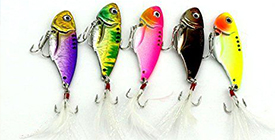
Over the years, I’ve tried hundreds of soft lures from dozens of brands, but there’s one that always finds a spot in my tackle box: the Penceil Vib Lures. It’s a versatile, durable soft plastic that looks like a small minnow with a long, slender body and a tiny paddle tail. I’ve used it to catch bass in lakes, rivers, and even saltwater bays, and it never lets me down.
What makes this lure so effective? For starters, it has a realistic natural color that matches the baitfish in most US waters. I usually go with the green pumpkin or watermelon red, but I’ll switch to chartreuse or white if the water’s murky or the bass are being extra picky. The paddle tail creates a subtle vibration when you retrieve it, which attracts bass from a distance even if they can’t see the lure clearly.
I tested the Penceil Vib Lures last spring on Lake Michigan, where the water was still cold and the bass were just starting to spawn. I cast it near a rocky shoreline, let it sink to 10 feet, and reeled it in with short, jerky movements. On my first cast, I felt a hard hit, set the hook, and landed a three-pound smallmouth that was covered in spawning tubercles. I caught six more that morning, all on the same lure.
When to Use Soft Lures (And When to Switch to Hard Baits)
Soft lures are great for almost any fishing situation, but there are times when hard baits are a better choice. For example, if the water is crystal clear and the bass are feeding on the surface, a topwater plug or popper will get more strikes than a soft lure. If you’re fishing in heavy cover like thick brush or fallen trees, a heavy-duty jig with a soft plastic trailer will hold up better than a lightweight soft lure.
Another time I switch to hard baits is when the water is moving fast, like in a river or stream. Hard baits like crankbaits or spinnerbaits can cover more water quickly and attract bass from a distance. But if the water is slow-moving or still, a soft lure with a subtle movement will be more effective.
I learned this the hard way a few years ago on the Mississippi River. The water was moving at three miles per hour, and I’d been casting soft lures for an hour without a single bite. That’s when a guy in a nearby boat yelled at me to try a spinnerbait. I tied one on, cast it out, and reeled it in fast. On my second cast, I landed a four-pound largemouth that had been hiding behind a rock. That day, I caught eight more bass on the spinnerbait, and I didn’t touch my soft lures again.
How to Fish Soft Lures Like a Pro
Another trick is to vary your retrieve speed. Sometimes bass want a fast, erratic retrieve, and other times they want a slow, steady one. I usually start with a slow retrieve and gradually speed up until I find what works. On Lake Okeechobee, for example, the bass wanted a slow, steady retrieve with occasional pauses. On Lake Texoma, they wanted a fast, jerky retrieve that mimicked a wounded minnow.
Common Mistakes to Avoid When Fishing Soft Lures
Even the best fishermen make mistakes, and I’m no exception. Here are a few common mistakes I’ve made over the years, and how to avoid them:
- Using the wrong size lure: If the bass are feeding on small baitfish, using a large lure will scare them away. Always match the size of your lure to the prey in the area.
- Retrieving too fast: Bass can be finicky, especially in cold water. If you retrieve your lure too fast, the bass won’t have time to strike. Try a slow, steady retrieve with occasional pauses.
- Using the wrong color lure: If the water is murky, use a bright color like chartreuse or white. If the water is clear, use a natural color like green pumpkin or watermelon red.
- Not checking your line: Soft lures are lightweight, so it’s important to use a light line that won’t spook the bass. Always check your line for nicks or abrasions before you cast.
Final Thoughts on Soft Lures
Soft lures have become an essential part of my fishing gear over the years, and for good reason. They’re versatile, durable, and effective in almost any fishing situation. Whether you’re fishing for bass in a lake, smallmouth in a river, or redfish in a saltwater bay, a soft lure will help you catch more fish.
But don’t just take my word for it. Try them out yourself. Next time you’re on the water and not getting any bites, tie on a soft lure and see what happens. You might be surprised by the results.
And if you’re looking for a reliable soft lure to add to your tackle box, I highly recommend the Penceil Vib Lures and the Frog Lures. They’re both high-quality lures that will help you catch more fish, no matter where you’re fishing.
Actionable Tip: Next time you go fishing, tie on a soft plastic lure with a subtle paddle tail and try a slow, steady retrieve with occasional pauses. This technique works in almost any fishing situation and will help you catch more bass, even when they’re in a finicky mood.


