





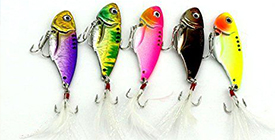
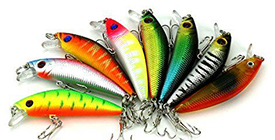
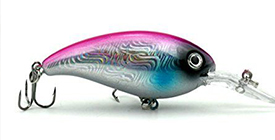

Let me tell you about the time I almost gave up on hard baits. It was early October on Lake Okeechobee in Florida—humid as a sauna, water temp hovering around 72°F. I’d been throwing soft plastics all morning, and the only thing I’d caught was a sunburn. My buddy Jake, who’s been fishing these waters longer than I’ve been in Texas, pulled out a LENPABY crankbait with a bright chartreuse back and a silver belly. “Throw this,” he said. “Trust me.” I cast it out, let it sink for three seconds, and started a slow retrieve. Within a minute, my rod bent like a question mark. A 5-pound largemouth bass exploded from the water, shaking its head so hard I thought it’d tear the hook loose. That day, I caught five more bass—all on hard baits. And I’ve never looked back.
Why Hard Baits Are a Game-Changer for Bass Fishing
Hard baits are the workhorses of any serious Bass Fishing tackle box. Unlike soft plastics, which rely on subtle movement, hard baits are designed to mimic real prey—from shad to frogs to small fish—with loud, aggressive action. This makes them perfect for triggering reaction strikes, especially when bass are in a feeding mood.
On Lake Texoma, which straddles Texas and Oklahoma, I’ve had incredible luck with hard baits during the summer months. Water temps there hit 80°F by mid-July, and bass move into deeper water to stay cool. A deep-diving crankbait like the LENPABY model with a 20-foot diving depth will reach those fish and get them biting. Last year, I caught a 7-pound largemouth on Texoma using this exact lure. The water was 82°F, and I was fishing near a submerged tree line at 6:30 a.m.
The Different Types of Hard Baits and When to Use Them
Hard baits come in several varieties, each designed for specific fishing conditions. Let’s break them down:
- Crankbaits: These are the most versatile hard baits. They have a bill on the front that makes them dive when retrieved. Use shallow-diving crankbaits (less than 5 feet) in spring when bass are spawning near the shore. For deeper water, go with a crankbait that dives 10–20 feet. On Lake Michigan, I use a LENPABY deep-diving crankbait to target smallmouth bass in 15–20 feet of water. The water temp is usually around 68°F, and I fish early in the morning when the sun is low.
- Topwater Baits: These float on the surface and create commotion that attracts bass from below. They’re perfect for early morning or late evening when bass are feeding near the surface. On Lake Erie, I use a LENPABY topwater popper to catch largemouth bass during the summer. The water temp is 78°F, and the breeze creates small waves that make the popper’s action even more realistic.
- Jerkbaits: These have a slim profile and are designed to be twitched or jerked through the water. They mimic injured fish, which bass can’t resist. I’ve had great success with jerkbaits on Lake Lanier in Georgia. The water temp is 65°F, and I fish near points and ledges where bass are waiting to ambush prey.
Hard Baits vs. Soft Plastics: Which Should You Choose?
Both hard baits and soft plastics have their place in bass fishing, but hard baits excel in certain situations. Let’s compare:
Hard Baits: Best for reaction strikes, aggressive bass, and covering large areas quickly. They’re also easier to use for beginners because their action is built-in. On Lake Powell in Arizona, I use a LENPABY crankbait to cover miles of shoreline in search of bass. The water temp is 70°F, and the bass are scattered, so covering distance is key.
Soft Plastics: Better for finesse fishing and slow-moving water. They’re more subtle than hard baits, which makes them perfect for pressured or inactive bass. On Truman Lake in Missouri, I use soft plastics when the water is cold (below 60°F) and bass are sluggish.
Common Mistakes to Avoid When Using Hard Baits
Even experienced anglers make mistakes with hard baits. Here are some I’ve learned the hard way:
Not matching the hatch: Bass feed on specific prey depending on the season and location. If the water is full of shad, use a silver or white crankbait. If there are bluegill, try a green or brown lure. On Lake Cumberland in Kentucky, the shad are small and silver, so a LENPABY crankbait with a silver finish works best. The water temp is 75°F, and I fish near the dam where shad congregate.
Retrieving too fast or too slow: The speed of your retrieve can make or break your success. Experiment with different speeds until you find what works. On Lake of the Ozarks in Missouri, I use a slow retrieve with a LENPABY crankbait when the water is warm (above 80°F). The bass are less active, so a slow, steady retrieve is more effective.
Ignoring structure: Bass love to hide near structure—rocks, tree lines, submerged vegetation. Always cast your hard bait near these areas. On Lake Havasu in Arizona, I fish near the rock walls that line the shore. The water temp is 78°F, and bass use the rocks for cover when feeding.
How to Choose the Right Hard Bait for Your Situation
Choosing the right hard bait can be overwhelming, but it doesn’t have to be. Here’s what to consider:
- Water depth: Use shallow-diving crankbaits for shoreline fishing and deep-diving crankbaits for deeper water.
- Water clarity: In clear water, use natural colors like silver or green. In murky water, use bright colors like chartreuse or orange. On Lake Seminole in Georgia and Florida, the water is murky, so I use a LENPABY crankbait with a chartreuse back and a orange belly. The water temp is 70°F, and I fish near the submerged vegetation.
- Time of day: Use topwater baits early in the morning or late in the evening. Use crankbaits or jerkbaits during the day. On Lake Travis in Texas, I use a LENPABY topwater popper at sunrise. The water temp is 72°F, and the bass are feeding on the surface.
My Favorite Hard Baits for Bass Fishing
Over the years, I’ve tried hundreds of hard baits, and these are my favorites from LENPABY:
- LENPABY Deep-Diving Crankbait: Perfect for deep water (up to 20 feet). I use it on Lake Michigan to target smallmouth bass. The water temp is 68°F, and I fish near the submerged reefs.
- LENPABY Topwater Popper: Great for early morning or late evening. I use it on Lake Erie to catch largemouth bass. The water temp is 78°F, and the breeze creates small waves that make the popper’s action even more realistic.
- LENPABY Jerkbait: Perfect for finesse fishing. I use it on Lake Lanier in Georgia to target bass near points and ledges. The water temp is 65°F, and the bass are waiting to ambush prey.
Final Thoughts on Hard Baits
Hard baits are an essential part of any bass angler’s tackle box. They’re versatile, easy to use, and perfect for triggering reaction strikes. Whether you’re fishing on Lake Okeechobee in Florida or Lake Travis in Texas, there’s a hard bait that will work for you.
Now, I know what you’re thinking—“What about Squid Jigs?” Well, let me tell you—squid jigs aren’t just for saltwater fishing. I’ve used them on Lake Ontario in New York to catch smallmouth bass. The water temp is 68°F, and the bass are feeding on small squid that have been carried into the lake by the currents. A LENPABY squid jig with a blue and white finish works best.
Actionable Tip: Next time you go bass fishing, try using a hard bait instead of a soft plastic. Start with a shallow-diving crankbait near the shore, and if that doesn’t work, switch to a deep-diving crankbait or a topwater popper. Experiment with different retrieves until you find what works. You might be surprised at how many bass you catch.


