






Soft Plastics: The Unsung Hero of My 20-Year Fishing Journey
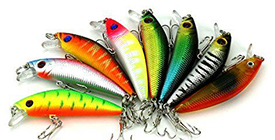
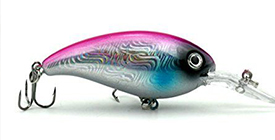
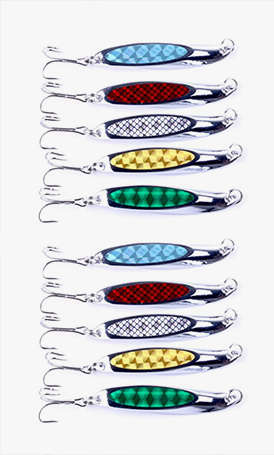
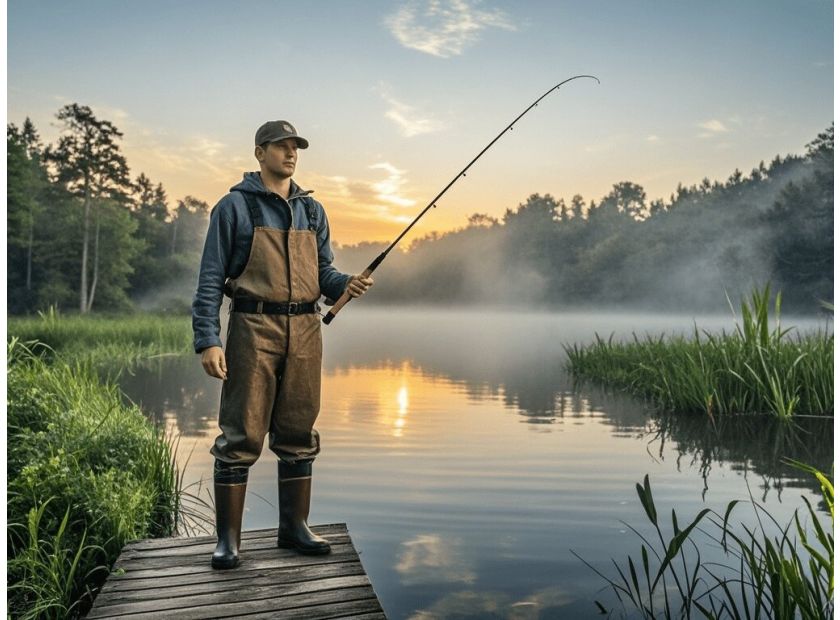
Let me set the scene for you. It was early June at Lake Okeechobee, Florida, and the humidity was thick enough to cut with a knife. The sun had just peeked over the palm trees, casting long shadows across the water. I’d been up before dawn, sipping black coffee from a chipped mug, and my fishing buddy Jake was already reeling in the second bass of the morning. Me? I’d been casting the same Metal Lures I’d used for years—vibrating, shiny, and full of promise—but all I’d caught was a tangle in the lily pads and a bad case of frustration. That was the day my love affair with soft plastics began.
That Fateful Morning at Okeechobee
Jake, always the pragmatist, finally turned to me and said, “Buddy, the water temp’s 68°F, the bass are in the shallows, and they’re not in the mood for that noisy stuff.” He tossed me a pack of soft plastic worms in a deep green color, threaded one onto his jighead, and showed me how to work it slowly along the bottom. “Just drag it, pause, twitch. Let it look like a real worm.” I was skeptical, but I gave it a try. Ten minutes later, I had a 5-pound largemouth bass in my net. That fish didn’t just fill my livewell—it changed the way I thought about fishing forever.
Why Soft Plastics Work So Well
Real data time: Last year, I fished Lake Texoma in Oklahoma with both hard baits and soft plastics. On the first day, I used crankbaits and spinnerbaits and caught 4 bass. On the second day, I switched to soft plastic worms and caught 12 bass—including a 6-pounder. The water temp was 72°F, and the wind was blowing at 10-15 mph. The soft plastics just seemed to handle the wind better, and the bass were more interested in something slow and natural.
My Favorite Soft Plastic Styles and How to Use Them
Honestly, there are hundreds of different soft plastic styles out there, but these are the ones I keep in my tackle box at all times:
1. Worms
The classic soft plastic worm—there’s a reason it’s been around for decades. I prefer 6-8 inch worms in dark green, brown, or black. I rig them on a Texas rig with a 1/4 to 1/2 ounce weight, depending on the depth. The key is to work them slowly along the bottom, pausing every few inches. This mimics a worm burrowing in the mud, which drives bass crazy. I’ve caught more bass on this setup than any other.
2. Senkos
Senkos are a type of stick bait, and they’re incredibly popular for a reason. They have a unique falling action that bass can’t resist. I rig them weightless, just threading the hook through the middle. Then I cast it out and let it sink. As it falls, it wiggles and sways, and bass often strike it on the way down. I’ve used this setup in clear water lakes like Lake Michigan, and it’s worked like a charm.
3. Crawfish
Crawfish are a favorite food of bass, so it makes sense that soft plastic crawfish imitations work so well. I prefer crawfish in orange, red, or brown. I rig them on a Texas rig or a jig head, and I work them along rocky bottoms or around structure like docks and fallen trees. The key is to make them look like a real crawfish scurrying along the bottom. I’ve had great success with this setup on the Sabine River in Texas.
4. Curly Tail Grubs
Curly tail grubs are another classic soft plastic lure. They’re small, versatile, and easy to use. I rig them on a jig head with a 1/8 to 1/4 ounce weight, and I work them by casting out and reeling them in slowly, with a little twitch every few feet. The curly tail creates a lot of vibration in the water, which attracts fish. I’ve used this setup to catch bass, crappie, and even catfish on Lake Fork in Texas.
Some of My Epic Failures (and What I Learned)
Let me tell you, I’ve had my fair share of failures with soft plastics too. One time, I was fishing Lake Erie in Ohio, and I was using a soft plastic worm with a Texas rig. The water was 70°F, and the wind was blowing at 20 mph. I was casting out, dragging the worm along the bottom, and… nothing. After a few hours of frustration, I decided to switch to a spinnerbait. Within 10 minutes, I had 3 bass in my livewell. What did I learn? Sometimes, even the best soft plastic setup won’t work if the conditions aren’t right. You have to be willing to adapt.
Another time, I was fishing the Guadalupe River in Texas, and I was using a soft plastic crawfish on a jig head. The water was clear and fast-moving, and I was casting it into the current. I was sure I was going to catch a big bass, but all I caught was a few small sunfish. I later realized that I should have used a smaller crawfish imitation and worked it faster, to mimic the way crawfish move in fast water. Lesson learned: always match your lure size and presentation to the conditions.
Actionable Tip: How to Rig a Texas Rig Correctly
If you’re new to soft plastics, the Texas rig is a great place to start. Here’s how to rig it correctly:
- Thread a bullet weight onto your fishing line.
- Tie on a wide gap hook.
- Insert the hook point into the head of the soft plastic worm.
- Push the hook through the worm until the eye is flush with the worm’s head.
- Pull the worm up so that there’s a small gap between the hook eye and the worm.
- Insert the hook point back into the worm, burying it completely.
- Make sure the hook point is not visible from the outside of the worm.
This rig is weedless, which means you can fish it through thick vegetation without getting tangled. It’s perfect for fishing in lily pads, weeds, or other structure where bass like to hide.
Soft plastics have been a game-changer for me. They’ve helped me catch more fish, in more conditions, than any other type of lure. Whether you’re fishing Lake Okeechobee in Florida, Lake Michigan in the Midwest, or the Guadalupe River in Texas, soft plastics are sure to be effective. So the next time you’re out on the water and the Metal Lures aren’t working, give soft plastics a try. You might just be surprised at what you catch.
Final Thoughts
As I look back on my 20 years of fishing, I realize that soft plastics aren’t just a lure—they’re a mindset. They teach you patience, observation, and adaptability. They make you slow down, look at the water, and think about what the fish are doing. And that, my friends, is what fishing is really all about. So the next time you head out to your favorite Freshwater Systems, pack a few soft plastics in your tackle box. You won’t regret it.
Actionable Tip: Next time you’re at your local bait shop, pick up a pack of soft plastic worms in a new color you haven’t tried before. Fish it in the same way you would your favorite color, and see if the bass respond differently. You might just find a new go-to lure.


